
 24 Jul, 2026
Best Things to Do in Namibia: Places, Safaris & Sights
24 Jul, 2026
Best Things to Do in Namibia: Places, Safaris & Sights
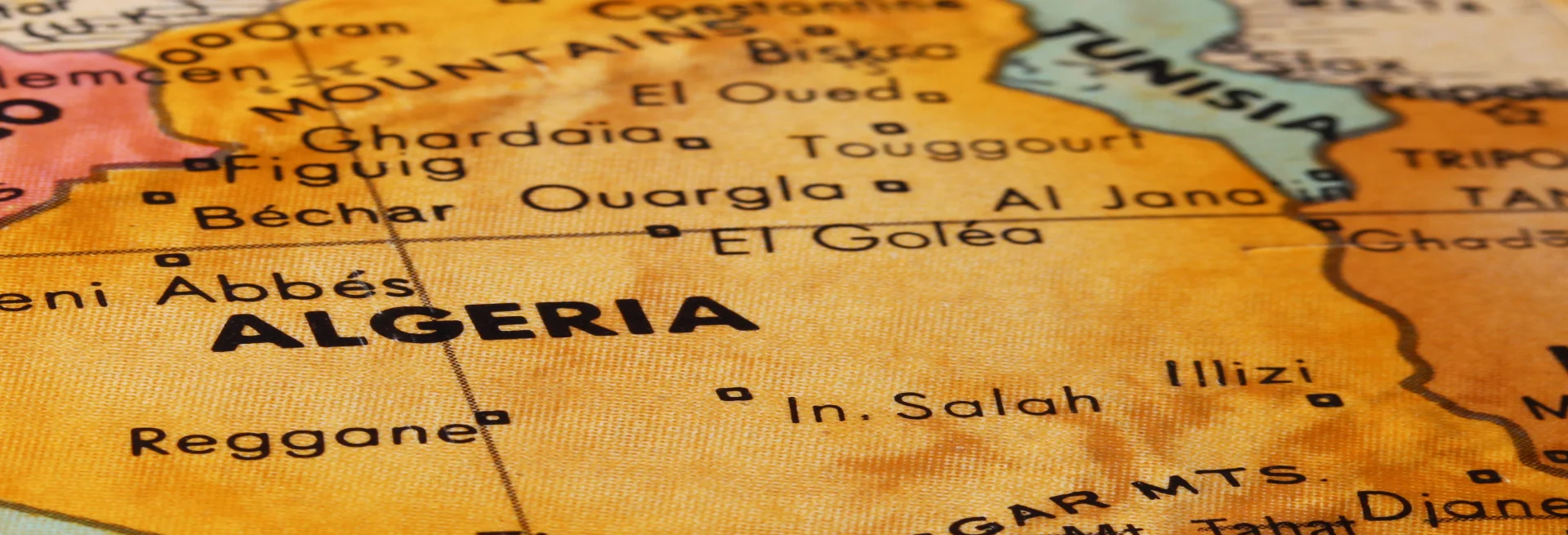
Most travellers planning a trip to North Africa usually look at Morocco, Egypt, or Tunisia first. Algeria often stays off the radar, which is surprising once you see what the country has to offer. This is a place where ancient Roman cities stand almost untouched, Mediterranean towns stretch along the coast, and the Sahara Desert covers a huge part of the south. It is also one of the few destinations where you can spend the morning exploring a centuries-old city and end the day watching the sunset over endless desert landscapes.
The best things to do in Algeria are not limited to one type of experience. Some travellers come for history, others for culture, architecture, or adventure. What makes the country special is the variety. Every region feels different, and each city tells its own story. From the busy streets of Algiers to the quiet beauty of the Sahara, Algeria offers experiences that feel genuine and far removed from the typical tourist trail.If you are looking for places to visit in Algeria that combine history, culture, scenery, and local life, this guide will help you discover some of the country's most rewarding destinations.
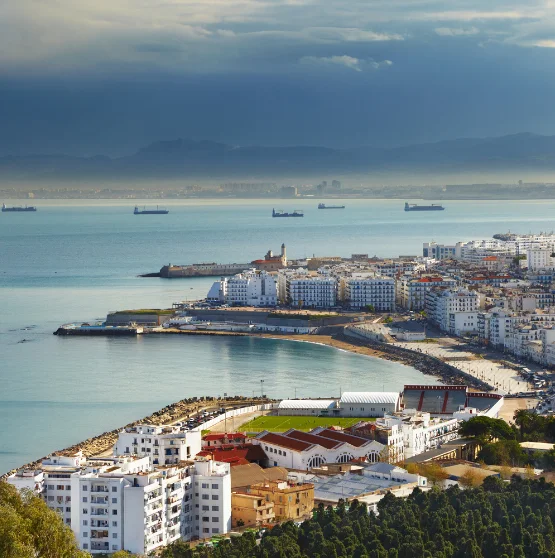
Most journeys through Algeria begin in Algiers, and there is no better place to understand the country. Sitting along the Mediterranean coastline, the capital feels both historic and modern at the same time. Busy roads, local cafés, waterfront views, and historic neighbourhoods all sit side by side, creating a city that never feels one-dimensional.
Many visitors head straight to the Casbah, and it quickly becomes clear why it is one of the most famous things to see in Algiers. Walking through its narrow streets is very different from exploring a typical tourist attraction. The old district is still lived in, and daily life continues around you as residents shop, work, and socialise. Traditional houses, old mosques, hidden courtyards, and small local businesses appear around almost every corner. Rather than feeling like a museum, the Casbah feels alive.
Away from the old city, Algiers opens up with broad avenues, sea views, and landmarks such as Notre Dame d’Afrique, which overlooks the Mediterranean from high above the city. The views from here are worth the visit alone. The Martyrs' Memorial offers another perspective of the capital and provides insight into Algeria's modern history. Food is also a big part of the experience. From fresh seafood to traditional couscous dishes, Algiers gives travellers plenty of opportunities to experience local flavours.
For many visitors, Algiers becomes much more than a starting point. It is one of the most interesting places to visit in Algeria because it captures so many sides of the country in one city.
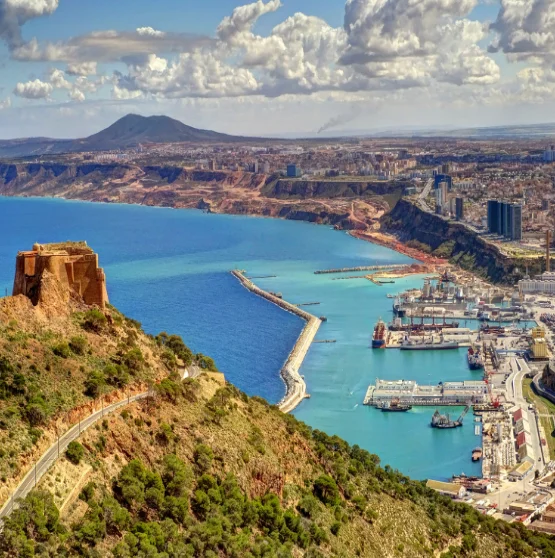
If Algiers feels energetic and historic, Oran feels more relaxed and open. Located on the Mediterranean coast, the city has long been known for its connection to music, culture, and seaside living. There is a noticeable difference in pace here, making it easy to spend a few days simply exploring without rushing from one attraction to another.
One of the city's best-known landmarks is Santa Cruz Fort. Sitting high above Oran, it rewards visitors with panoramic views across the city, harbour, and coastline. Looking out across the Mediterranean from the fort gives you a real sense of Oran's position as one of North Africa's important coastal cities. Many travellers spend time here simply taking in the scenery before heading back down to explore the streets below.
The city centre reflects centuries of different influences. Spanish, Ottoman, French, and Algerian history have all left their mark on Oran's architecture and culture. Walking through the city reveals grand buildings, busy squares, local markets, and neighbourhood cafés where residents gather throughout the day. Music also remains an important part of life here. Oran is widely recognised as the birthplace of Raï music, and its influence can still be felt across the city.
Food lovers will find plenty to enjoy as well. Fresh seafood is common thanks to the city's coastal location, while traditional Algerian dishes can be found in restaurants throughout Oran. For travellers looking for a combination of culture, food, and coastal scenery, Oran offers some of the most enjoyable things to do in Algeria.
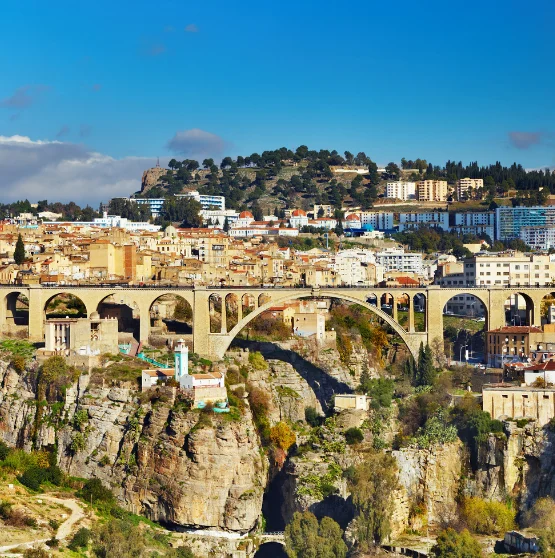
Few places in North Africa leave a first impression quite like Constantine. Built dramatically above deep gorges and connected by a network of impressive bridges, the city looks almost impossible from certain viewpoints. Photographs do not quite prepare you for standing on one of these bridges and looking down into the valleys below.
The most famous of these is the Sidi M'Cid Suspension Bridge, which has become one of Constantine's defining landmarks. Walking across it gives visitors spectacular views of the surrounding cliffs and cityscape. However, the bridges are only part of the story. Constantine is one of Algeria's oldest cities and has been shaped by centuries of history.
As you explore, you will find historic buildings, traditional neighbourhoods, mosques, museums, and local markets that reveal the city's cultural importance. The Palace of Ahmed Bey is particularly popular and offers a glimpse into Algeria's Ottoman heritage. Unlike some destinations where the attractions are concentrated in one area, Constantine rewards travellers who take time to wander and explore.
The city also serves as a gateway to Timgad, one of the finest Roman archaeological sites in North Africa. Walking through the ancient streets of Timgad, surrounded by temples, theatres, and stone arches, feels like stepping into another era. Together, Constantine and Timgad offer some of the most memorable Algeria tourist attractions for travellers interested in history and architecture.
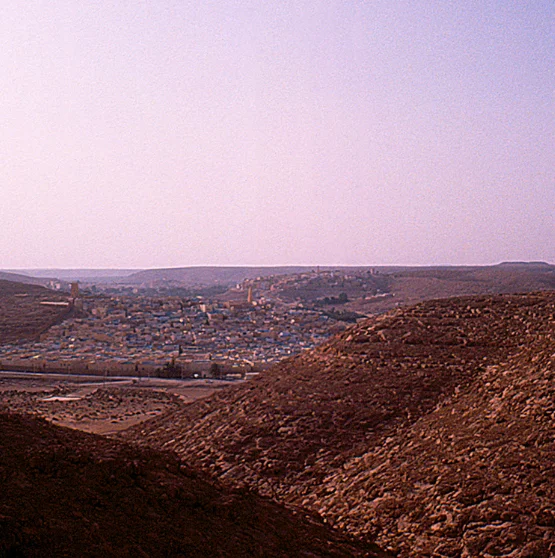
Ghardaïa feels completely different from the country's northern cities. Located in the M'Zab Valley on the edge of the Sahara, it offers visitors a chance to experience a quieter and more traditional side of Algeria. The first thing many travellers notice is the architecture. The town's white and earth-coloured buildings seem to rise naturally from the surrounding landscape, creating a setting unlike anywhere else in the country.
This is not a destination filled with large monuments or famous landmarks. Instead, Ghardaïa's appeal comes from its atmosphere and way of life. Walking through the old streets, browsing local markets, and observing daily routines gives visitors a better understanding of the traditions that have shaped this region for centuries. The local Mozabite community has maintained its cultural identity through generations, and that heritage can still be seen throughout the town today.
Markets remain an important part of life here, and travellers can find traditional crafts, handmade goods, local foods, and everyday products being sold much as they have been for decades. There is a simplicity to Ghardaïa that many visitors find refreshing, especially after spending time in larger cities.
For travellers looking beyond the usual attractions and wanting to experience authentic local culture, Ghardaïa is one of the most rewarding places to visit in Algeria.
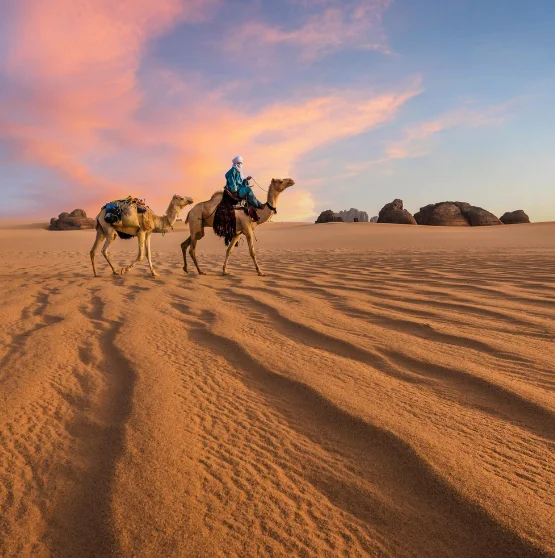
No trip to Algeria feels complete without experiencing the Sahara, and Tamanrasset is one of the best places to do exactly that. Located in the far south of the country, the city acts as a gateway to some of the most dramatic desert scenery in Africa.
The landscapes around Tamanrasset are difficult to compare with anywhere else. Vast open plains, towering rock formations, rugged mountains, and endless desert horizons create scenery that changes throughout the day as the light shifts across the landscape. The nearby Ahaggar Mountains are particularly impressive and attract hikers, photographers, and travellers looking to experience a more remote side of Algeria.
Many visitors choose to take guided desert excursions that explore the surrounding region. These trips often include visits to traditional Tuareg communities, opportunities to see ancient rock art, and nights spent beneath some of the clearest skies in the world. Watching the stars appear across the desert after sunset is often one of the moments travellers remember most from their time in Algeria.
Algeria is not the kind of destination that reveals itself in a single day. The more time you spend here, the more layers you discover. One day you might be walking through historic streets in Algiers, the next exploring Roman ruins near Constantine, before ending your journey beneath the vast skies of the Sahara.For travellers seeking exciting things to do in africa , Algeria stands out as a destination full of unique adventures.
What makes the country memorable is not just its landmarks but the variety of experiences it offers. The contrast between the Mediterranean coastline, mountain landscapes, historic cities, traditional desert communities, and endless sand dunes creates a journey that feels constantly different.
For travellers looking beyond the usual tourist routes, Algeria offers history, culture, scenery, and experiences that still feel genuine. From famous Algeria tourist attractions to lesser-known corners of the country, there is no shortage of places worth exploring.
 24 Jul, 2026
Best Things to Do in Namibia: Places, Safaris & Sights
24 Jul, 2026
Best Things to Do in Namibia: Places, Safaris & Sights
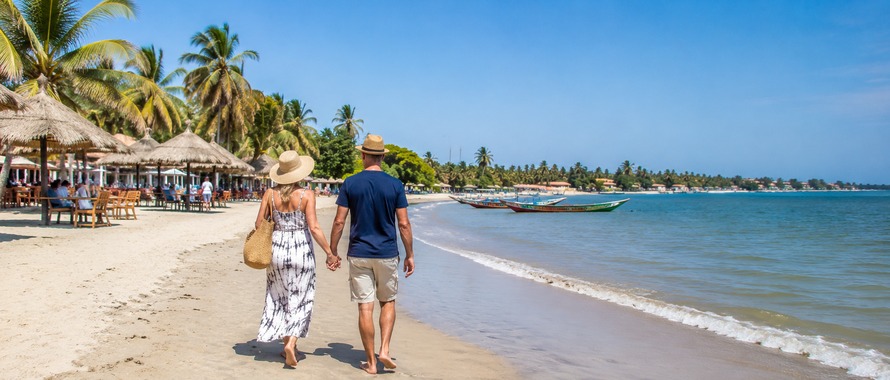 22 Jul, 2026
Things to Do in The Gambia: Beaches, Wildlife and More
22 Jul, 2026
Things to Do in The Gambia: Beaches, Wildlife and More
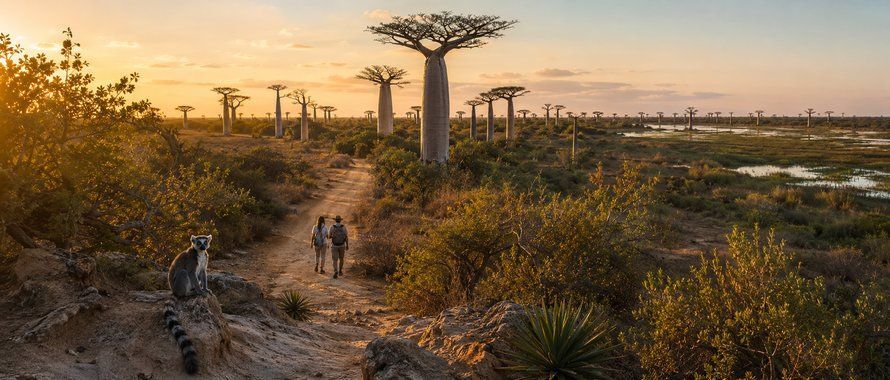 20 Jul, 2026
Things to Do in Madagascar: Top Attractions & Places
20 Jul, 2026
Things to Do in Madagascar: Top Attractions & Places
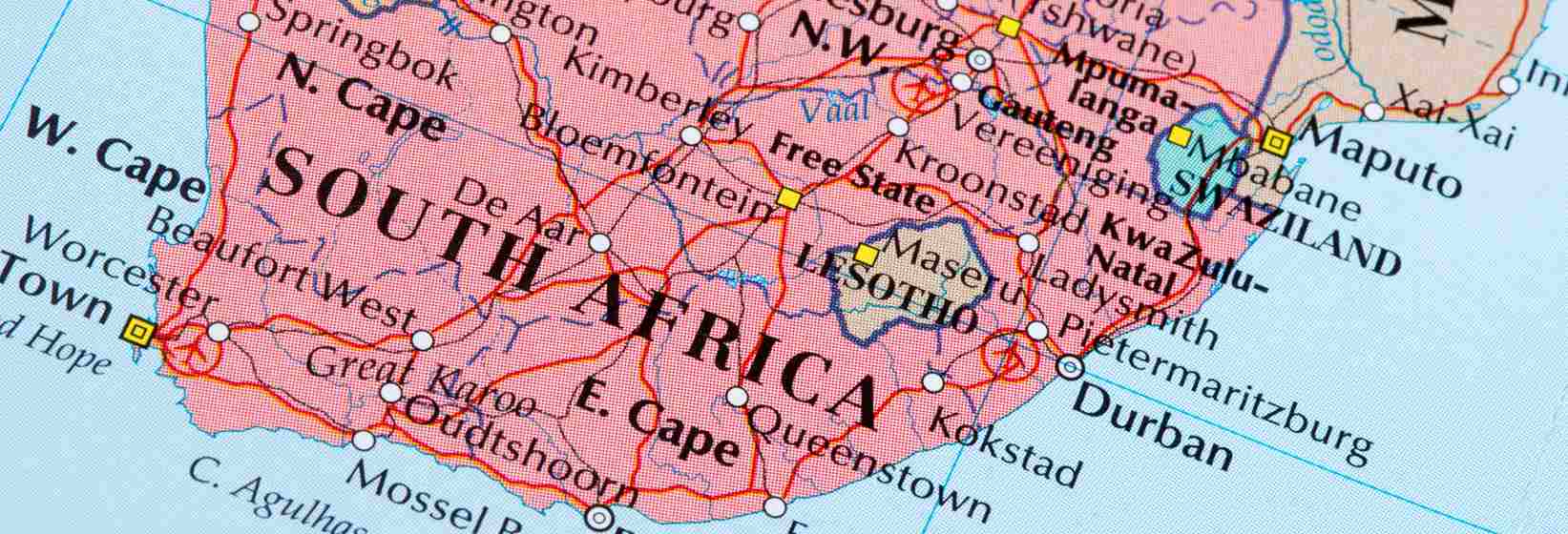 15 Jul, 2026
Things to do in South Africa | Crystal Travel
15 Jul, 2026
Things to do in South Africa | Crystal Travel
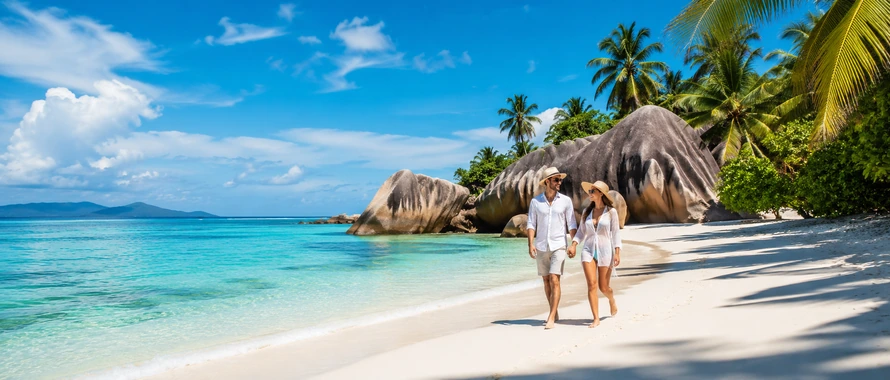 15 Jul, 2026
Things to Do in Seychelles | Top Places, Beaches & More
15 Jul, 2026
Things to Do in Seychelles | Top Places, Beaches & More


Got Questions? Call us 24/7!
02030237773
Email for Us!
support@crystaltravel.co.uk
12 Stephen Mews, London W1T 1AH, United Kingdom.
Copyright © 2026 Moresand Ltd.(Reg No.02114691) T/A CrystalTravel registered in England and Wales.
Many of the flights and flight-inclusive holidays on this website are financially protected by the ATOL scheme. But ATOL protection does not apply to all holiday and travel services listed on this website. Please ask us to confirm what protection may apply to your booking. If you do not receive an ATOL Certificate then the booking will not be ATOL protected. If you do receive an ATOL Certificate but all the parts of your trip are not listed on it, those parts will not be ATOL protected. If you have booked a flight only where the ticket is not issued immediately, your flight will be protected under our ATOL. Please see our booking conditions for information, or for more information about financial protection and the ATOL Certificate go to ATOL Certificate