
 20 Jul, 2026
Things to Do in Madagascar: Top Attractions & Places
20 Jul, 2026
Things to Do in Madagascar: Top Attractions & Places
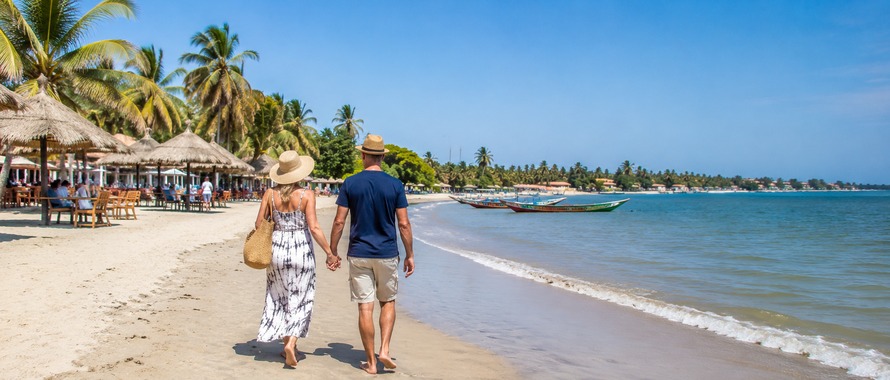
Explore the best things to do in The Gambia, one of West Africa’s most welcoming holiday destinations. Known for its sandy Atlantic beaches, rich wildlife, colourful local markets and year-round sunshine, The Gambia offers plenty of attractions for couples, families and adventure seekers. Popular experiences include exploring Banjul, visiting Kachikally Crocodile Pool, cruising along the River Gambia and relaxing at beach resorts in Kololi, Kotu and Cape Point.
This Gambia travel guide covers the top attractions, best places to visit and most memorable holiday activities across the country. Travellers can spot monkeys and tropical birds in nature reserves, experience traditional Gambian culture in local villages, shop for handmade crafts and enjoy fresh West African cuisine. Whether you are planning a beach holiday, wildlife adventure or cultural escape, The Gambia combines relaxation, nature and authentic local experiences in one compact destination.
Discover the best places to visit in The Gambia, including sandy beaches, wildlife reserves, colourful markets and historic landmarks. These popular Gambia attractions offer excellent opportunities for sightseeing, birdwatching, cultural experiences, river trips and relaxing beach holidays.
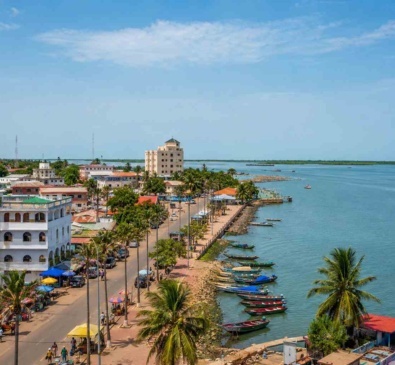
Banjul is the capital city and a popular destination for history, culture and local shopping. Visitors can explore traditional markets, discover Gambian crafts and experience everyday life in one of West Africa’s smallest capitals.
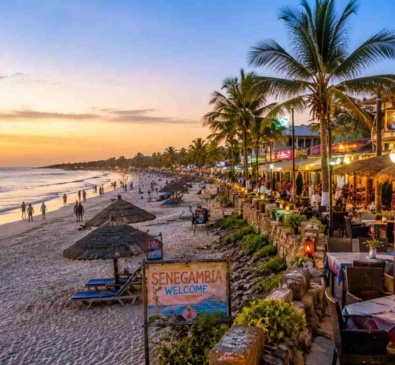
Kololi is one of the most popular holiday resorts in The Gambia. It is known for Kololi Beach, hotels, restaurants, craft markets and the lively Senegambia area. It is ideal for couples, groups and first-time visitors.
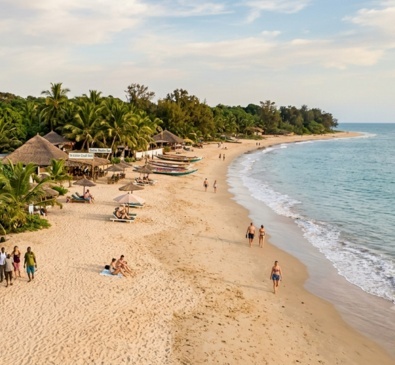
Kotu Beach is a peaceful coastal destination with sandy shores, beachfront hotels and nearby restaurants. Kotu Creek is also popular for birdwatching, making the area suitable for families, couples and nature lovers.
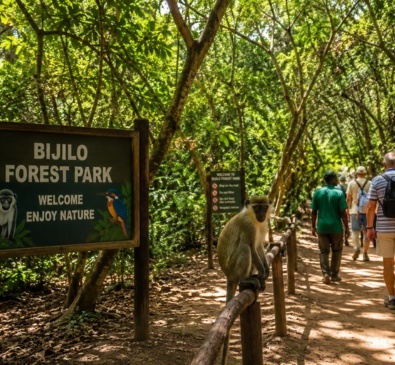
Bijilo Forest Park is one of the best wildlife attractions in The Gambia. Visitors can follow shaded walking trails and spot green monkeys, tropical birds and native plants close to the coastal resorts.
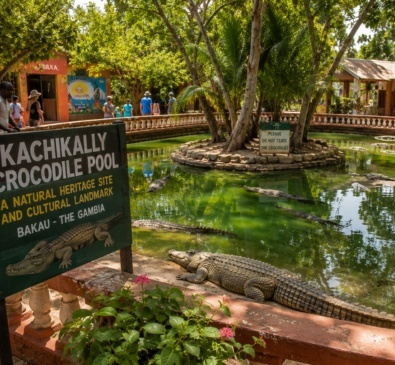
Located in Bakau, Kachikally Crocodile Pool is a sacred cultural site and a well-known Gambian tourist attraction. Visitors can see crocodiles, explore the small museum, and learn about local traditions.
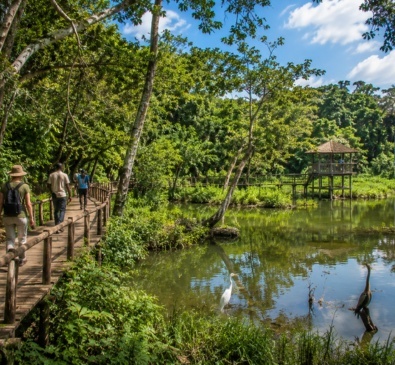
Abuko Nature Reserve is one of the top places for wildlife viewing in The Gambia. Its forest and wetland habitats are home to monkeys, reptiles and many bird species, making it popular with nature lovers and photographers.
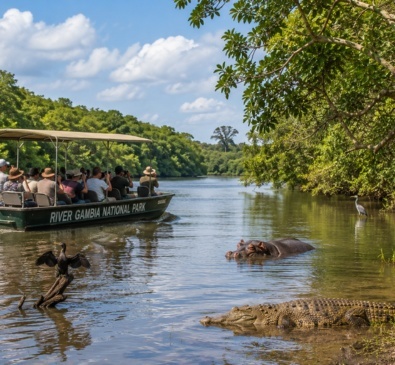
River Gambia National Park offers boat trips through scenic river landscapes. Travellers may see chimpanzees, hippos, crocodiles and water birds, making it one of the best places to visit in The Gambia for wildlife adventures.
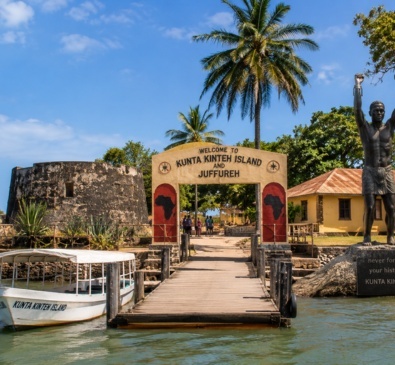
Kunta Kinteh Island and Juffureh are important historical destinations linked to the transatlantic slave trade. Guided visits allow travellers to explore heritage sites, museums and local communities while learning about Gambian history.
The Gambia is a welcoming West African holiday destination offering sandy beaches, wildlife reserves, historic landmarks, colourful markets and authentic cultural experiences. From relaxing in Kololi and Kotu to exploring Banjul, visiting Abuko Nature Reserve, discovering Kunta Kinteh Island and cruising along the River Gambia, travellers can enjoy a varied and memorable trip. This Gambia travel guide highlights the best places to visit, top attractions and essential travel tips to help couples, families, wildlife lovers and first-time visitors plan a safe, enjoyable and well-organised holiday.
 20 Jul, 2026
Things to Do in Madagascar: Top Attractions & Places
20 Jul, 2026
Things to Do in Madagascar: Top Attractions & Places
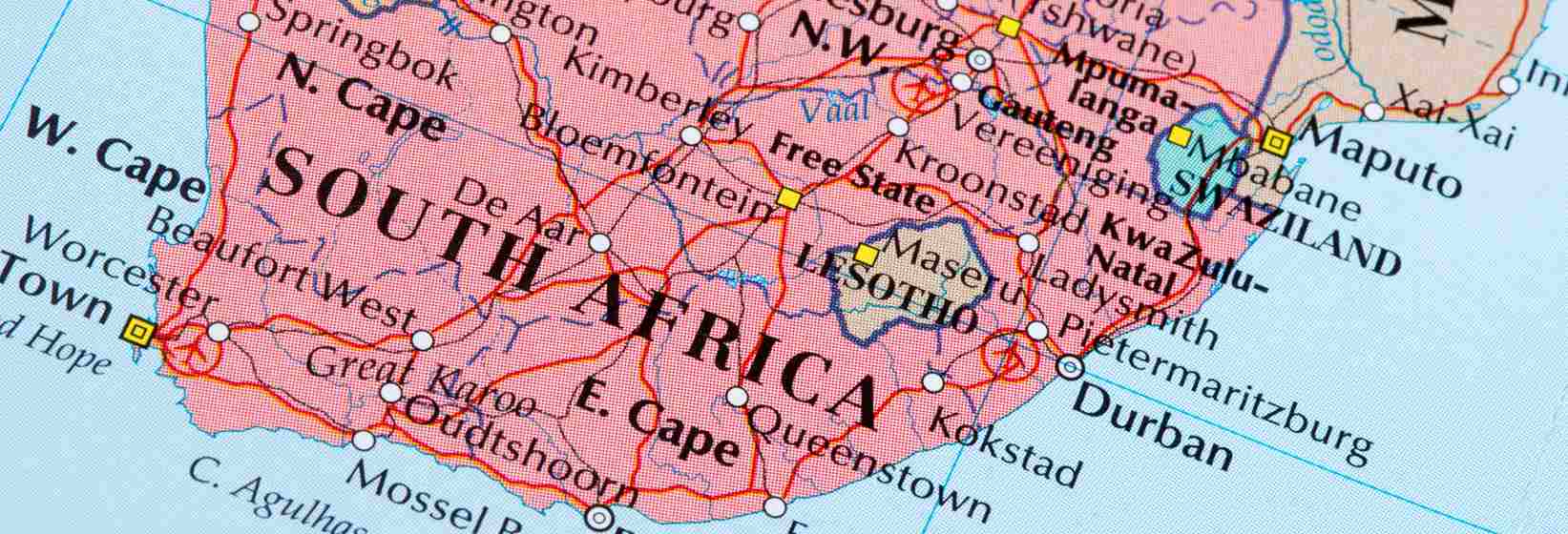 15 Jul, 2026
Things to do in South Africa | Crystal Travel
15 Jul, 2026
Things to do in South Africa | Crystal Travel
 15 Jul, 2026
Things to Do in Seychelles | Top Places, Beaches & More
15 Jul, 2026
Things to Do in Seychelles | Top Places, Beaches & More
 03 Jul, 2026
UK Bank Holidays & School Holidays 2026, 2027, 2028
03 Jul, 2026
UK Bank Holidays & School Holidays 2026, 2027, 2028
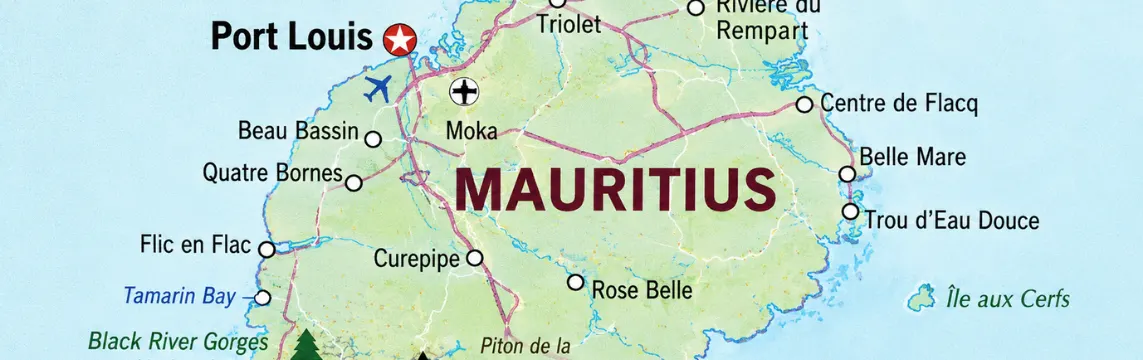 02 Jul, 2026
5 Unmissable Things to Do in Mauritius You Can’t Skip
02 Jul, 2026
5 Unmissable Things to Do in Mauritius You Can’t Skip


Got Questions? Call us 24/7!
02030237773
Email for Us!
support@crystaltravel.co.uk
12 Stephen Mews, London W1T 1AH, United Kingdom.
Copyright © 2026 Moresand Ltd.(Reg No.02114691) T/A CrystalTravel registered in England and Wales.
Many of the flights and flight-inclusive holidays on this website are financially protected by the ATOL scheme. But ATOL protection does not apply to all holiday and travel services listed on this website. Please ask us to confirm what protection may apply to your booking. If you do not receive an ATOL Certificate then the booking will not be ATOL protected. If you do receive an ATOL Certificate but all the parts of your trip are not listed on it, those parts will not be ATOL protected. If you have booked a flight only where the ticket is not issued immediately, your flight will be protected under our ATOL. Please see our booking conditions for information, or for more information about financial protection and the ATOL Certificate go to ATOL Certificate