

 23 May, 2026
Etihad Launches Direct Abu Dhabi to Salalah Flights
23 May, 2026
Etihad Launches Direct Abu Dhabi to Salalah Flights

UK Faces Summer Flight Disruption Risk Amid Jet Fuel Warning
Crystal Travel | Travel News | 2 April 2026
Britain has been named the most vulnerable country in Europe to potential jet fuel shortages this summer, after Ryanair chief executive Michael O'Leary issued a serious warning over the impact of the ongoing Iran conflict on global aviation fuel supplies.
O'Leary pointed to the UK's significant dependence on Kuwait — which accounts for roughly a quarter of Britain's jet fuel supply — as the key reason for the country's heightened exposure. With that fuel transported by tanker through the Strait of Hormuz, a shipping corridor that Iran has been restricting, the ability to maintain a steady flow of aviation fuel into the UK is now genuinely in question.
Speaking to Sky News this week, O'Leary said fuel companies do not expect disruption before early May, but warned that if the conflict continues, Europe could face supply shortfalls through May and June. He estimated that between 10 and 25 per cent of Ryanair's fuel supply could be at risk during that period, a level that could force airlines to reduce capacity or pull certain routes entirely.
What It Means for Summer Travel
For British holidaymakers, the timing could not be more concerning. The peak summer travel season — when demand for flights is at its highest — falls squarely within the window of greatest risk. Several international carriers have already adjusted their schedules in response to rising costs and uncertainty, and airlines operating out of UK airports are reviewing their networks on a weekly basis.
Jet fuel prices have also nearly doubled in recent weeks, placing significant financial strain on carriers. While major airlines, including Ryanair, have hedged a large portion of their fuel costs through pre-agreed contracts, the unhedged remainder is now being purchased at close to market highs. Industry experts warn this will eventually be reflected in ticket prices, with passengers on unbooked or future flights likely to see fares increase as the summer approaches.
Flight Cancellations and Compensation: What UK Travellers Are Entitled To
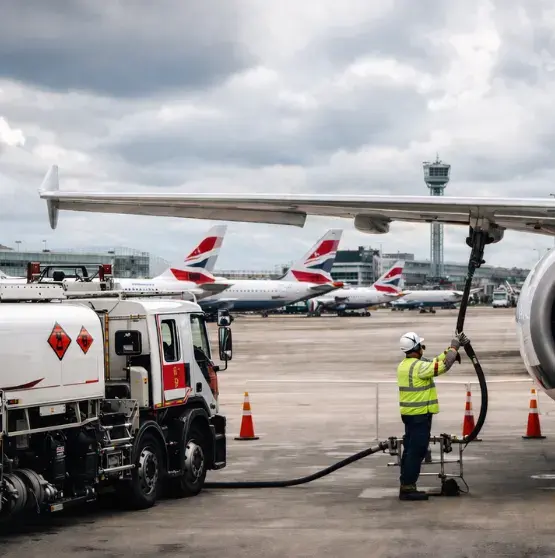
Your Rights If Flights Are Disrupted
UK travellers do have legal protections in place. Under UK261 regulations — which mirror the EU's passenger rights framework, if your flight is cancelled with less than 14 days' notice, your airline must offer you a refund or an alternative flight to your destination. You may also be entitled to fixed compensation, depending on the distance of your flight, provided the disruption was within the airline's control.
It is worth noting that cancellations caused by fuel shortages linked to geopolitical events may be classified as extraordinary circumstances, which could affect compensation eligibility — though your right to a refund or re-routing would remain intact.
Advice from Crystal Travel
At Crystal Travel, we are monitoring the situation closely and will keep customers informed of any changes affecting their bookings. In the meantime, we advise all travellers to ensure their travel insurance covers disruption arising from geopolitical events, and to book through ATOL-protected operators for full financial security.
If you have any concerns about an upcoming booking, our customer care team is here to help.
Verified by Our Travel Operations Expert

Latest Posts
23 May, 2026
Etihad Launches Direct Abu Dhabi to Salalah Flights
 23 May, 2026
Wizz Air Adds New Warsaw Modlin to Rimini Route This Summer
23 May, 2026
Wizz Air Adds New Warsaw Modlin to Rimini Route This Summer
 23 May, 2026
British Airways Dubai Flights Suspended Until August 2026
23 May, 2026
British Airways Dubai Flights Suspended Until August 2026
 23 May, 2026
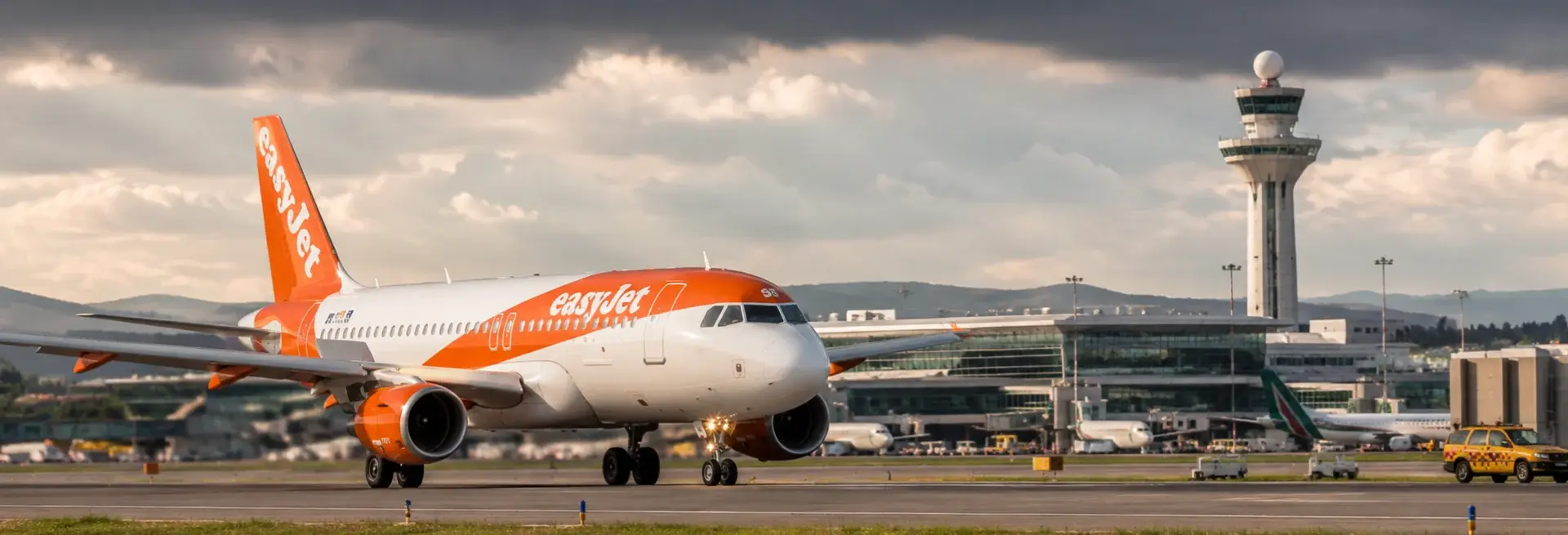
easyJet Flight Diverted After Baggage Safety Risk Mid-Air
23 May, 2026
easyJet Flight Diverted After Baggage Safety Risk Mid-Air
 23 May, 2026
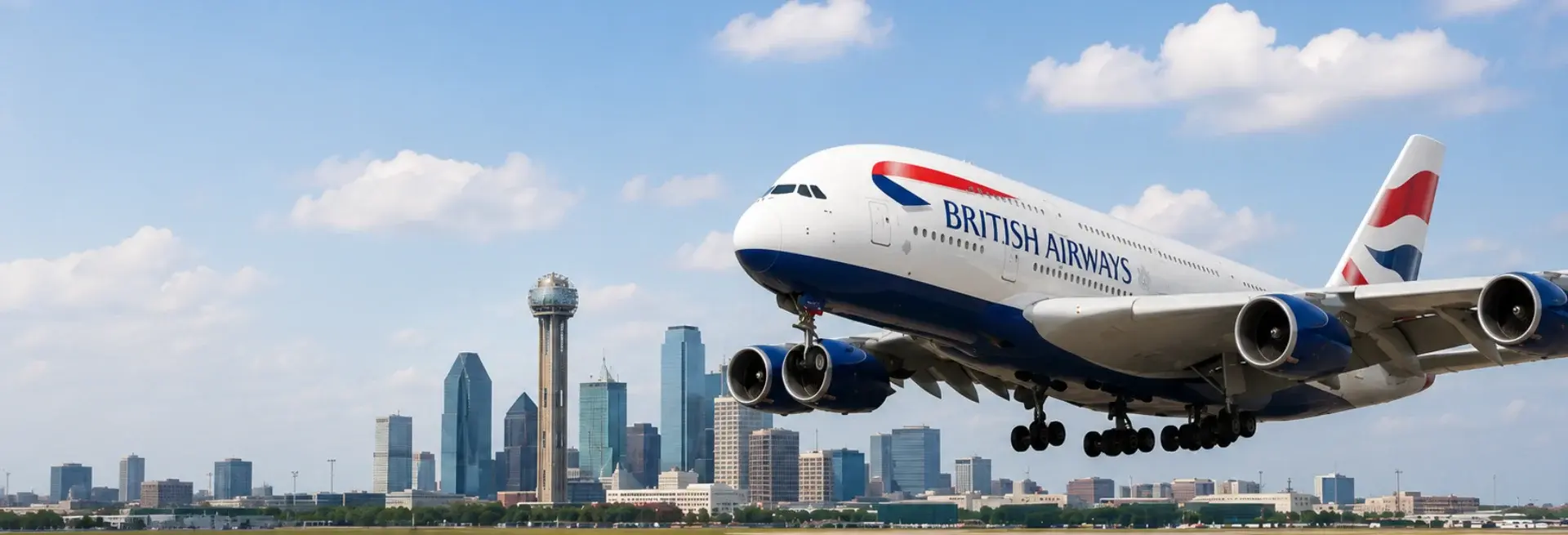
British Airways A380 Returns to Dallas-Fort Worth This Summer
23 May, 2026
British Airways A380 Returns to Dallas-Fort Worth This Summer
Need help 

Got Questions? Call us 24/7!
02030237773
Email for Us!
support@crystaltravel.co.uk
12 Stephen Mews, London W1T 1AH, United Kingdom.
North America
Asia
Africa
Australia
London
Manchester
Birmingham
London Heathrow
Gatwick
North America
North American
Middle Eastern

Copyright © 2026 Moresand Ltd.(Reg No.02114691) T/A CrystalTravel registered in England and Wales.
Many of the flights and flight-inclusive holidays on this website are financially protected by the ATOL scheme. But ATOL protection does not apply to all holiday and travel services listed on this website. Please ask us to confirm what protection may apply to your booking. If you do not receive an ATOL Certificate then the booking will not be ATOL protected. If you do receive an ATOL Certificate but all the parts of your trip are not listed on it, those parts will not be ATOL protected. If you have booked a flight only where the ticket is not issued immediately, your flight will be protected under our ATOL. Please see our booking conditions for information, or for more information about financial protection and the ATOL Certificate go to ATOL Certificate





We Accept


