

 02 Jul, 2026
Air India Dreamliner Cabin Upgrade on Mumbai-London Route
02 Jul, 2026
Air India Dreamliner Cabin Upgrade on Mumbai-London Route
EasyJet and British Airways Issue Prescription Medication Guidance to Help Passengers Avoid Airport Security Delays
Crystal Travel | Travel News | 2 July 2026
Travellers are being reminded to label and document prescription medicines correctly ahead of the busy summer travel season.
Airlines Warn Passengers Over Packed Medicines
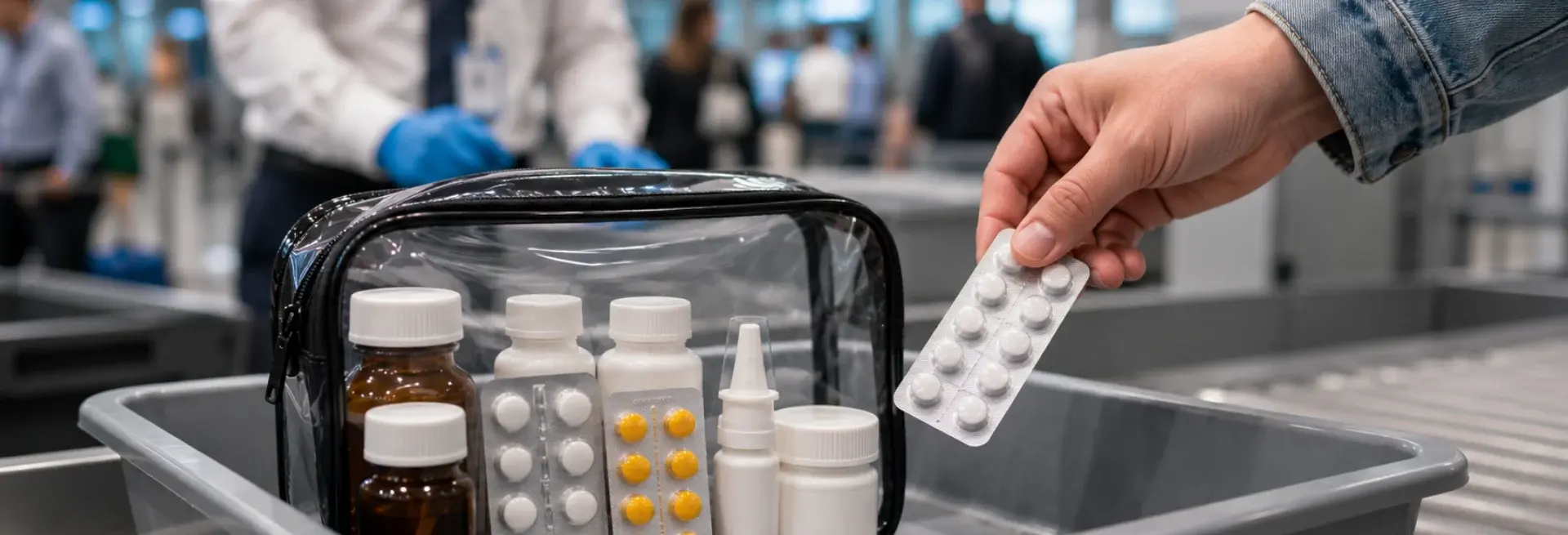
EasyJet and British Airways are urging passengers to properly prepare their prescription medication before arriving at airport security, as delays linked to poorly packed medicines continue to affect queue times at UK airports this summer. With travel volumes rising sharply across July and August, both airlines say a few simple steps can help passengers move through security checks far more efficiently and avoid unnecessary stress before their flight departs.
Why Prescription Medication Triggers Security Delays
Airport security teams are trained to flag any liquids, powders, or medical items that cannot be quickly identified. Prescription medicines carried in liquid form, such as insulin, eye drops or specialist injections, frequently exceed the standard 100ml liquid allowance permitted in cabin baggage. Once this threshold is crossed, additional verification is required, slowing down processing not only for the passenger involved but for everyone queuing behind them at the security line.
In most cases, delays occur not because of the medication itself, but because it has not been clearly labelled or the passenger cannot immediately confirm what it is and why it is being carried. Unmarked tablets, decanted liquids, or medication mixed in with general toiletries are among the most common causes of secondary screening at busy checkpoints.
EasyJet and British Airways Advice for Cabin Baggage Medication
Both carriers are advising passengers to keep prescription medicines in their original packaging, ensuring the pharmacy label remains clearly visible. This allows security staff to identify the medication and confirm the prescribed dosage quickly, without needing to escalate the check to a more detailed inspection process.
Passengers are also encouraged to carry a copy of their prescription or a supporting letter from a GP or specialist, particularly when travelling with liquid medicines or quantities that may appear unusual for the length of the trip. This guidance applies to routine prescriptions as well as ongoing treatments for chronic conditions, where larger quantities may need to be carried on board.
For liquid medication exceeding the standard 100ml cabin limit, exemptions do exist, but these should be declared to security staff at the very start of the screening process. Waiting until an item is flagged tends to cause longer delays than declaring it upfront, so having documentation ready in advance is strongly recommended.
Both EasyJet and British Airways also advise keeping medication in hand luggage rather than checked baggage, ensuring continuous access during the flight and reducing the risk of essential medicines being delayed, damaged or lost in the hold.
How Passengers Can Avoid Medicine-Related Security Delays
Practical Tips for Passengers Travelling With Medicine
Travellers carrying medical equipment or larger quantities of medication are encouraged to arrive at the airport with extra time built into their schedule, allowing security staff to carry out any necessary checks calmly and without added pressure during busy periods.
It is also worth reviewing medication rules for both the departure and destination countries in advance, as regulations can vary considerably, particularly for controlled substances that may require additional permissions before travel.
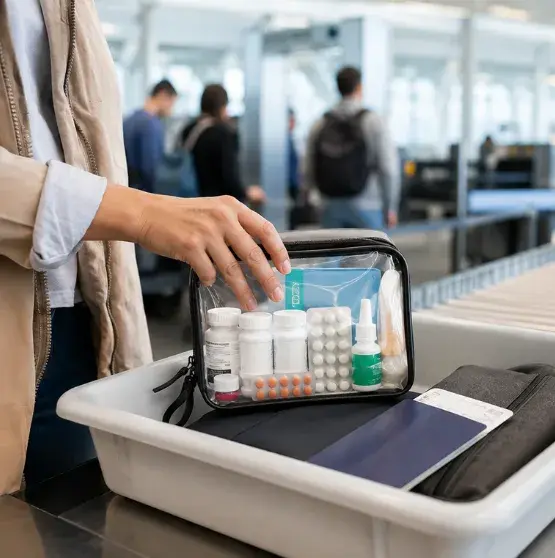
Grouping all medication in one clearly accessible bag, rather than spreading it across multiple items of luggage, can also help speed up the screening process, as staff can review everything in a single check rather than searching through several bags.
Preparation Remains Key This Summer
With airport security remaining busy throughout the peak travel season, proper preparation continues to be the most effective way to avoid unnecessary delays. Clear labelling, supporting documentation and early declaration of liquid exemptions all contribute to a faster, smoother security experience for passengers.
Passengers with questions about medication rules for a specific route can speak to Crystal Travel's team of experienced flight booking agents is on hand to help travellers understand current airline requirements ahead of their journey.
Verified by Our Travel Operations Expert

Latest Posts
02 Jul, 2026
Air India Dreamliner Cabin Upgrade on Mumbai-London Route
 02 Jul, 2026
UK Airport Chaos: 45 Cancellations & 429 Delays Hit Flights
02 Jul, 2026
UK Airport Chaos: 45 Cancellations & 429 Delays Hit Flights
 02 Jul, 2026
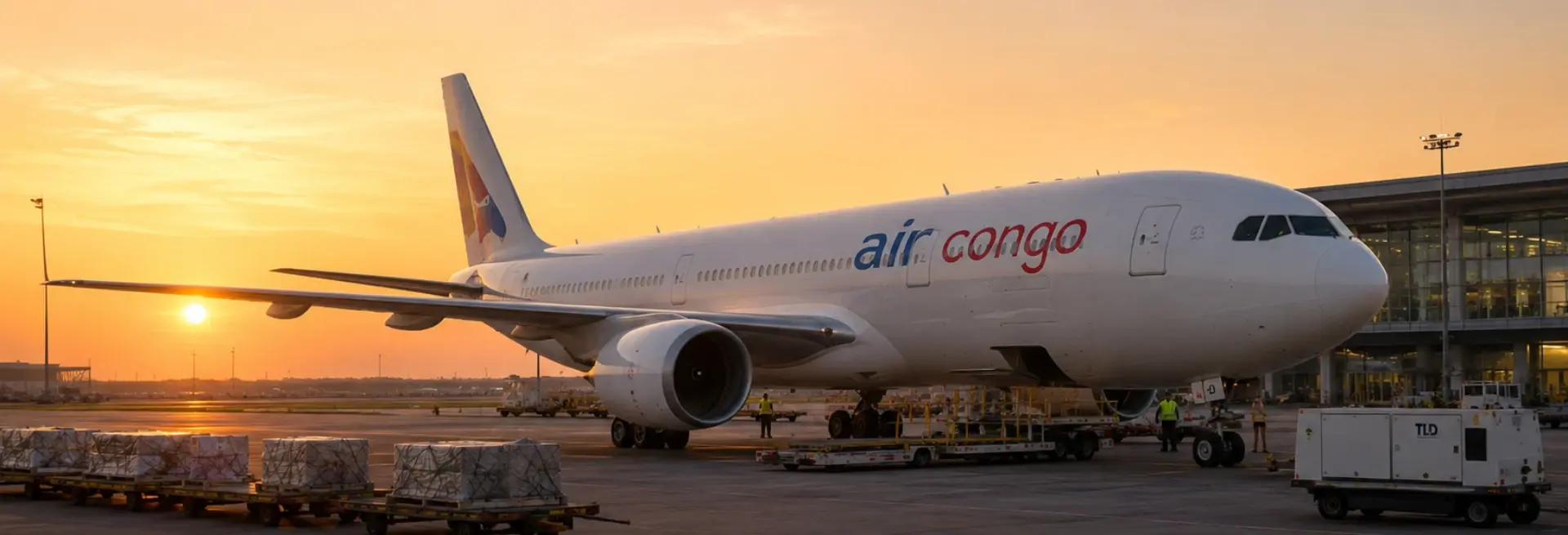
Air Congo Opens Brussels to Kinshasa Direct Flights
02 Jul, 2026
Air Congo Opens Brussels to Kinshasa Direct Flights
 02 Jul, 2026
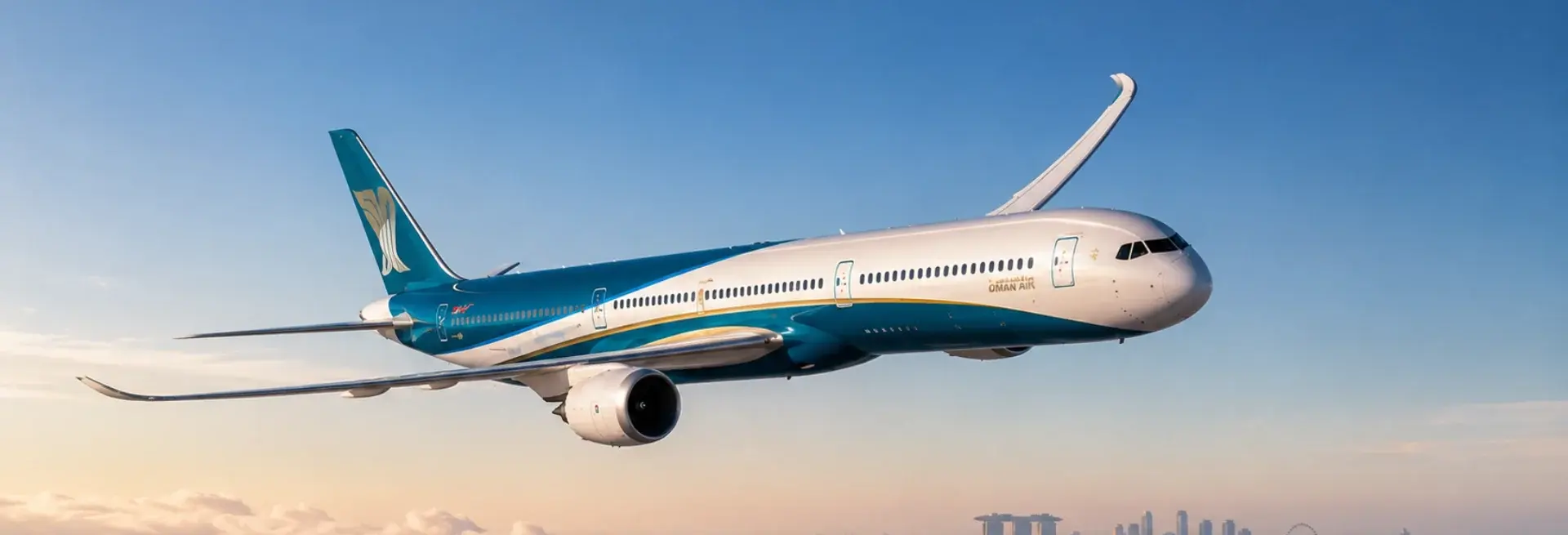
Oman Air Expands with Muscat to Singapore Flights
02 Jul, 2026
Oman Air Expands with Muscat to Singapore Flights
 01 Jul, 2026
Qatar Airways UK Flights Rise as Network Recovery Continues
01 Jul, 2026
Qatar Airways UK Flights Rise as Network Recovery Continues
Need help 

Got Questions? Call us 24/7!
02030237773
Email for Us!
support@crystaltravel.co.uk
12 Stephen Mews, London W1T 1AH, United Kingdom.
North America
Asia
Africa
Australia
London
Manchester
Birmingham
London Heathrow
Gatwick
North America
North American
Middle Eastern

Copyright © 2026 Moresand Ltd.(Reg No.02114691) T/A CrystalTravel registered in England and Wales.
Many of the flights and flight-inclusive holidays on this website are financially protected by the ATOL scheme. But ATOL protection does not apply to all holiday and travel services listed on this website. Please ask us to confirm what protection may apply to your booking. If you do not receive an ATOL Certificate then the booking will not be ATOL protected. If you do receive an ATOL Certificate but all the parts of your trip are not listed on it, those parts will not be ATOL protected. If you have booked a flight only where the ticket is not issued immediately, your flight will be protected under our ATOL. Please see our booking conditions for information, or for more information about financial protection and the ATOL Certificate go to ATOL Certificate



We Accept


