

 06 Aug, 2026
Things to Do in Lagos: Top Attractions & Places to See
06 Aug, 2026
Things to Do in Lagos: Top Attractions & Places to See
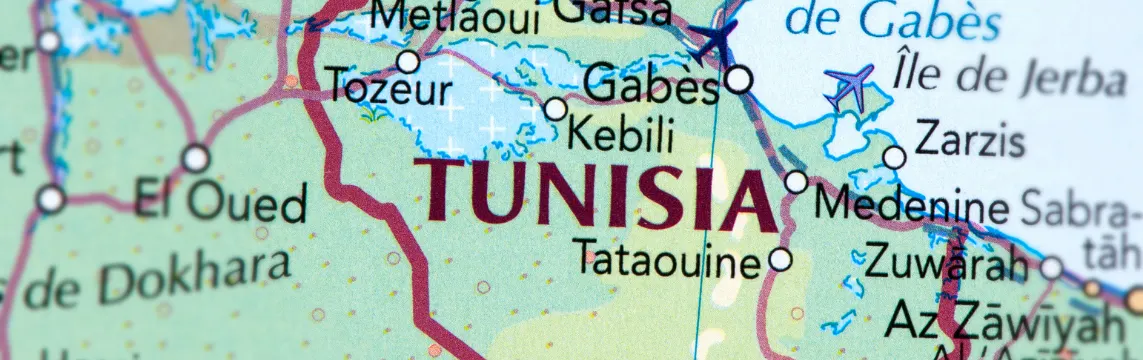
Tunisia may be one of North Africa's smaller countries, but it offers an impressive variety of experiences for travellers. In just a few hours, you can move from ancient Roman ruins and historic medinas to Mediterranean beaches and desert landscapes. The country combines history, culture, coastal scenery, and local traditions in a way that makes every destination feel different from the last.
Many visitors are surprised by how much Tunisia has to offer.
Whether you are exploring the lively streets of Tunis, relaxing by the sea in Hammamet, discovering the history of Monastir, or enjoying the coastal atmosphere of Sousse, there are plenty of things to do in Tunisia for every type of traveller.
From UNESCO World Heritage Sites and archaeological treasures to beaches, markets, and traditional cuisine, Tunisia provides a travel experience that feels both accessible and authentic. If you are planning a trip, these are some of the most rewarding places to visit in Tunisia.
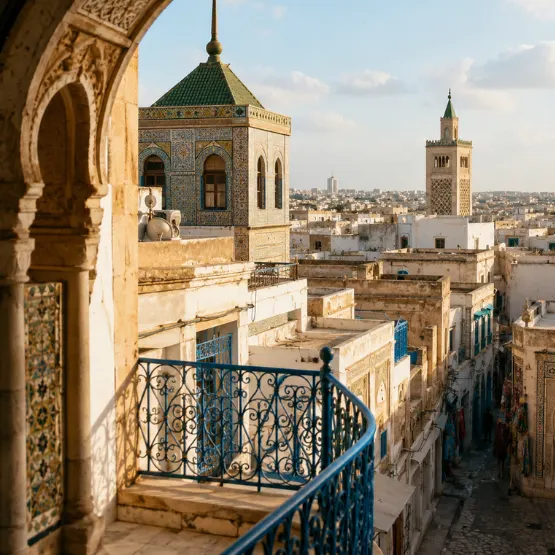
Most journeys through Tunisia begin in Tunis, the country's capital and one of the most fascinating cities in North Africa. The city offers a mix of ancient history, local culture, and modern life that gives visitors a strong introduction to the country.
Among the most popular things to do in Tunis is exploring the historic Medina of Tunis, a UNESCO World Heritage Site filled with narrow streets, traditional markets, mosques, and historic buildings. Walking through the medina is often one of the highlights of a visit because every corner seems to reveal something different, from local craft shops to hidden courtyards and traditional cafés.
Just outside the city, visitors can explore the ancient ruins of Carthage, once one of the most powerful cities in the Mediterranean. Nearby Sidi Bou Said, famous for its white-and-blue buildings overlooking the sea, offers some of the most picturesque scenery in the country. Together, these attractions make Tunis one of the most important places to visit in Tunisia and a destination that combines history, culture, and coastal beauty
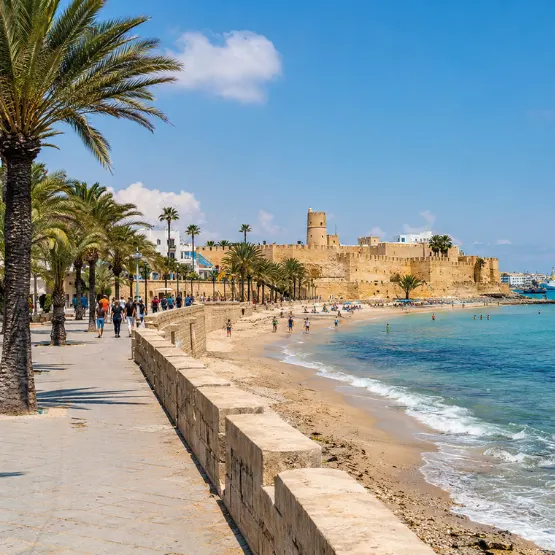
Sousse is one of Tunisia's most popular seaside destinations and attracts visitors looking for a combination of beaches, history, and local culture. Sitting on the Mediterranean coast, the city offers a lively atmosphere while still preserving many of its historic landmarks.
There are plenty of things to do in Sousse, starting with the city's historic medina. Protected as a UNESCO World Heritage Site, the old town is filled with traditional architecture, local markets, and narrow streets that invite exploration. Unlike some larger tourist destinations, the medina still feels connected to everyday life, making it an enjoyable place to wander and discover local culture.
The city's coastline is another major attraction. Long sandy beaches, waterfront cafés, and seaside resorts make Sousse a popular destination for relaxation. Visitors can spend their mornings exploring historical sites and their afternoons enjoying the Mediterranean Sea. This balance of history and leisure is one of the reasons Sousse remains one of the top Tunisia tourist attractions
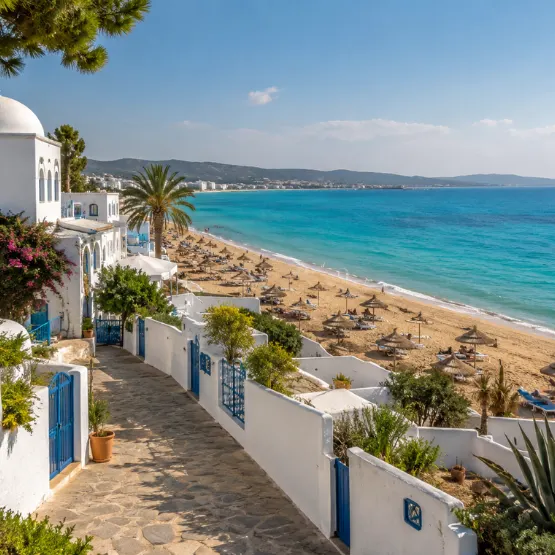
When people think about beach holidays in Tunisia, Hammamet is often one of the first places that comes to mind. Known for its sandy beaches, clear waters, and relaxed atmosphere, the city has become one of the country's most popular holiday destinations.
There are many things to see in Hammamet beyond the beach itself. The old medina offers a charming mix of whitewashed buildings, local shops, traditional markets, and small cafés. Walking through the historic centre feels much more relaxed than in some of the country's larger cities, making it easy to spend a few hours exploring at your own pace.
The city's coastline is ideal for swimming, water sports, and sunset walks along the beach. Many visitors also enjoy the nearby gardens, cultural centres, and local restaurants serving fresh seafood and traditional Tunisian dishes. For travellers looking for a combination of relaxation and sightseeing, Hammamet offers some of the most enjoyable things to do in Tunisia
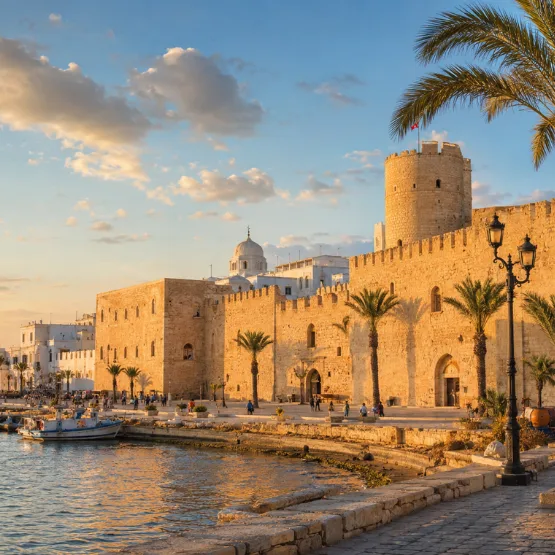
Monastir may not receive as much attention as Tunis or Hammamet, but many travellers consider it one of Tunisia's hidden highlights. The city combines historical landmarks, beautiful coastal scenery, and a relaxed atmosphere that makes it easy to explore.
One of Monastir's most famous attractions is the Ribat of Monastir, a historic fortress overlooking the Mediterranean Sea. The site offers impressive views across the coastline and provides a glimpse into Tunisia's rich history. Visitors can walk through the ancient structure, climb its towers, and learn more about its role in protecting the region centuries ago.
The marina and waterfront areas provide a completely different experience, with cafés, restaurants, and walking paths overlooking the sea. Monastir's beaches are also popular with visitors looking for a quieter alternative to some of Tunisia's larger resort areas. For travellers interested in history, coastal scenery, and a slower pace of life, Monastir is one of the most rewarding places to visit in Tunisia
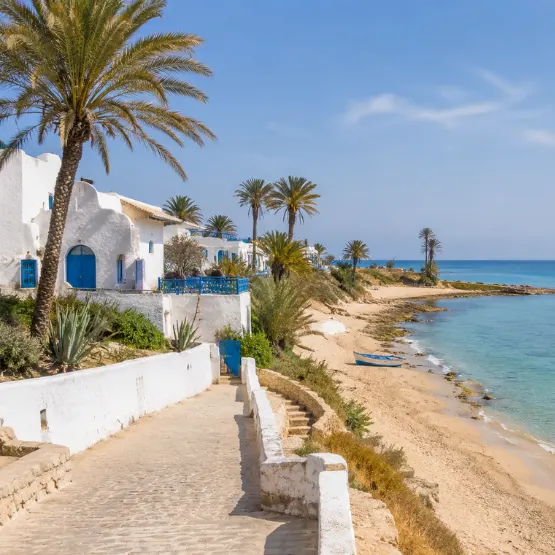
Djerba offers a completely different experience from mainland Tunisia. Located off the country's southern coast, the island is known for its sandy beaches, whitewashed villages, traditional markets, and relaxed pace of life. For many visitors, it is the perfect place to unwind after exploring Tunisia's historic cities and cultural landmarks.
The island is best known for its coastline, where long stretches of beach attract travellers looking for sunshine and sea views. However, there is much more to Djerba than its resorts. Visitors can explore Houmt Souk, the island's main town, where local markets, cafés, and traditional architecture provide a glimpse into everyday life. The island is also home to one of the oldest Jewish communities in North Africa, and the historic El Ghriba Synagogue remains one of Djerba's most important cultural landmarks.
Food is another highlight of a visit to Djerba. Fresh seafood, local pastries, and traditional Tunisian dishes can be enjoyed throughout the island. Combined with its beaches, culture, and laid-back atmosphere, Djerba is easily one of the most rewarding places to visit in Tunisia and remains one of the country's most popular holiday destinations
Tunisia offers far more than many travellers expect. From the historic streets of Tunis and the beaches of Hammamet to the coastal charm of Sousse and the rich heritage of Monastir, every destination brings something different to the journey.
Whether you are interested in history, culture, beaches, food, or sightseeing, there are plenty of things to do in Tunisia that appeal to all types of travellers. The country's mix of Mediterranean scenery, historic landmarks, and welcoming atmosphere continues to make it one of North Africa's most enjoyable destinations.
Taking the time to explore beyond the beaches often reveals the real character of Tunisia and creates memories that last long after the holiday is over.
 06 Aug, 2026
Things to Do in Lagos: Top Attractions & Places to See
06 Aug, 2026
Things to Do in Lagos: Top Attractions & Places to See
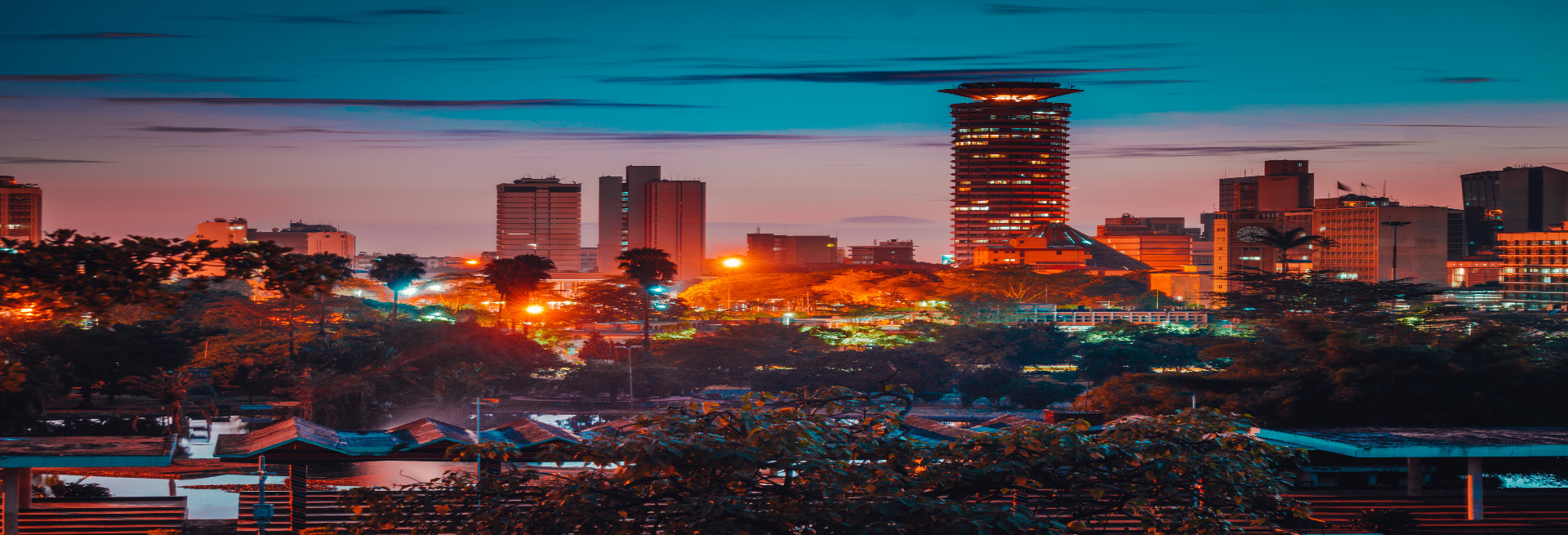 06 Aug, 2026
Things to Do in Algiers: Top Attractions & Places to See
06 Aug, 2026
Things to Do in Algiers: Top Attractions & Places to See
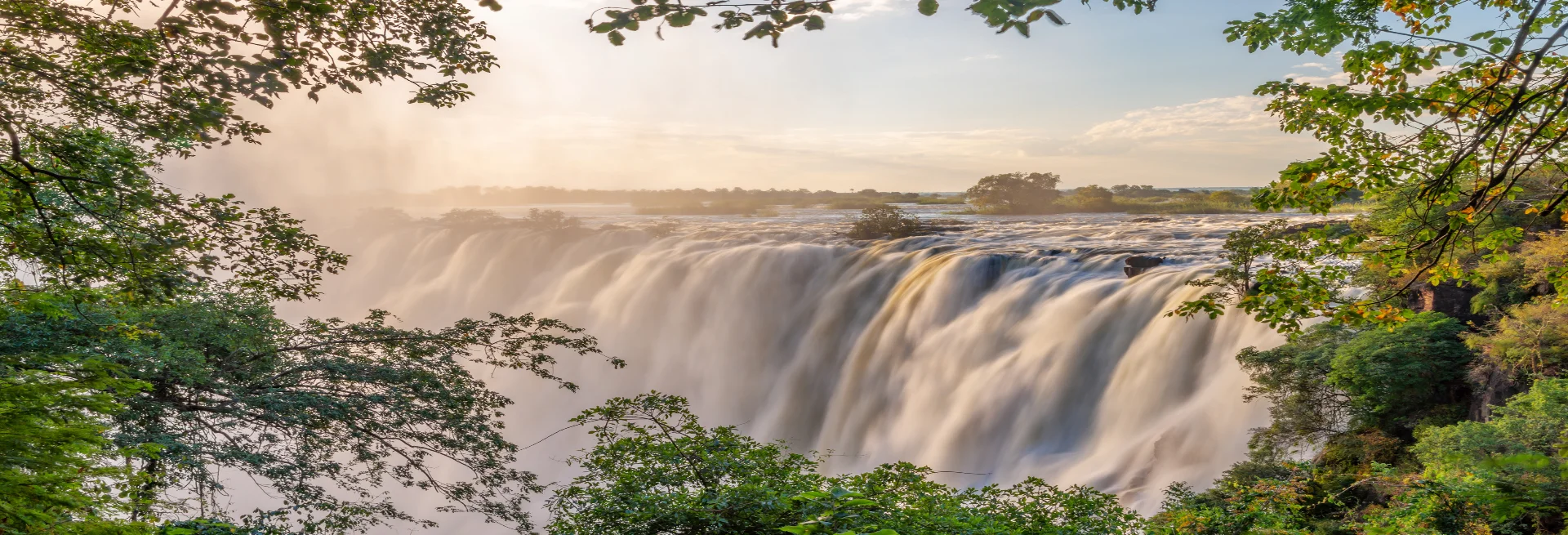 06 Aug, 2026
Things to Do in Victoria Falls: Top Attractions & Places to See
06 Aug, 2026
Things to Do in Victoria Falls: Top Attractions & Places to See
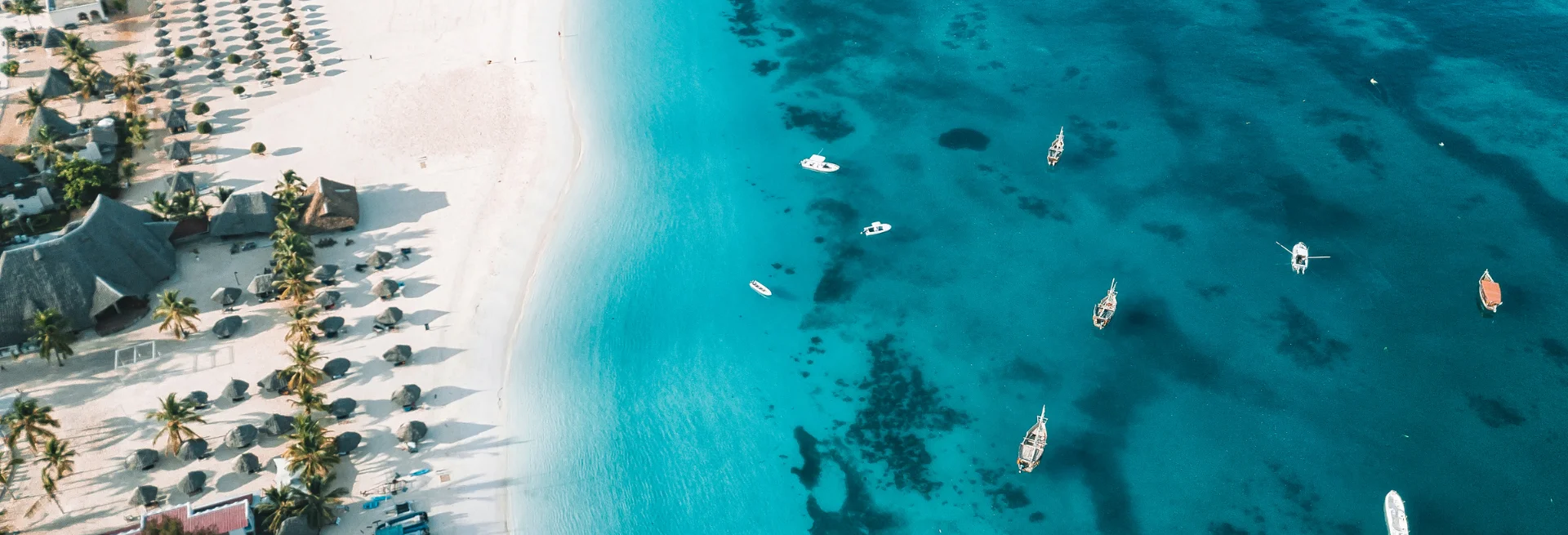 06 Aug, 2026
Things to Do in Zanzibar: Top Attractions & Places to See
06 Aug, 2026
Things to Do in Zanzibar: Top Attractions & Places to See
 06 Aug, 2026
Things to Do in Kigali: Top Attractions & Places to See
06 Aug, 2026
Things to Do in Kigali: Top Attractions & Places to See


Got Questions? Call us 24/7!
02030237773
Email for Us!
support@crystaltravel.co.uk
12 Stephen Mews, London W1T 1AH, United Kingdom.

Copyright © 2026 Moresand Ltd.(Reg No.02114691) T/A CrystalTravel registered in England and Wales.
Many of the flights and flight-inclusive holidays on this website are financially protected by the ATOL scheme. But ATOL protection does not apply to all holiday and travel services listed on this website. Please ask us to confirm what protection may apply to your booking. If you do not receive an ATOL Certificate then the booking will not be ATOL protected. If you do receive an ATOL Certificate but all the parts of your trip are not listed on it, those parts will not be ATOL protected. If you have booked a flight only where the ticket is not issued immediately, your flight will be protected under our ATOL. Please see our booking conditions for information, or for more information about financial protection and the ATOL Certificate go to ATOL Certificate