

 19 Jun, 2026
Qantas Project Sunrise Flights from Sydney to London & New York
19 Jun, 2026
Qantas Project Sunrise Flights from Sydney to London & New York
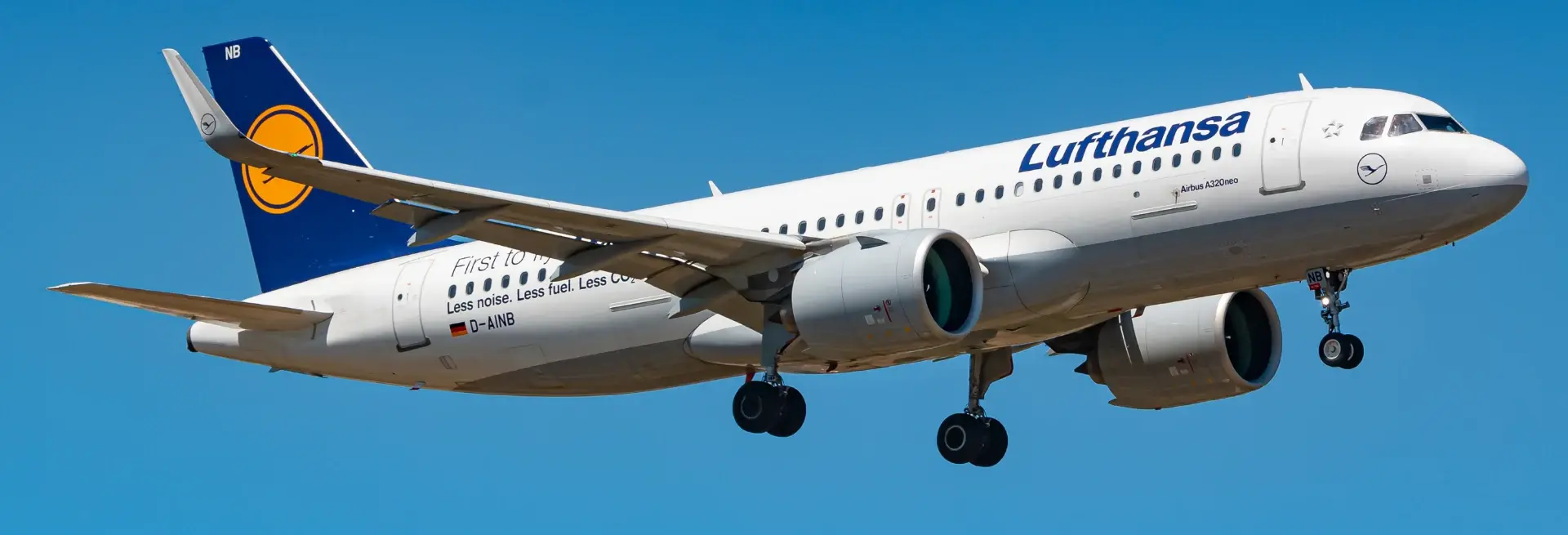
Lufthansa Phases Out Its Airbus A340-600 Fleet in 2026 and What It Means for Long-Haul Flights
Crystal Travel | Travel News | April 2026
After two decades of transatlantic service, Lufthansa's four-engine A340-600 makes way for a greener, more efficient generation of long-haul aircraft.
Lufthansa Fleet: Farewell to the Iconic A340-600
After more than two decades of loyal service, Lufthansa's Airbus A340-600 is set to retire from commercial aviation by the end of 2026. The German flag carrier has confirmed that its remaining fleet of these iconic four-engine jets will be permanently withdrawn from service, marking the close of a significant chapter in long-haul travel history.
It is a moment that will resonate with frequent flyers, aviation enthusiasts, and anyone who has had the pleasure of travelling aboard this remarkable aircraft.
An Aircraft That Shaped Modern Long-Haul Travel
When Lufthansa introduced the A340-600 in the early 2000s, it was considered among the finest long-haul aircraft of its generation. One of the longest commercial passenger jets ever built, the four-engine widebody quickly became a flagship of the airline's intercontinental operations, connecting Frankfurt with key destinations across North America and the Middle East.
The aircraft earned a strong reputation among travellers for its spacious premium cabins, smooth and stable flight experience, and impressive long-range capability. At its peak, Lufthansa operated a considerable fleet of these jets, and the A340-600 became a familiar and well-loved presence on some of the world's busiest transatlantic routes.
What Is Driving Lufthansa to Phase Out the A340-600?
So, Why Is It Being Retired?
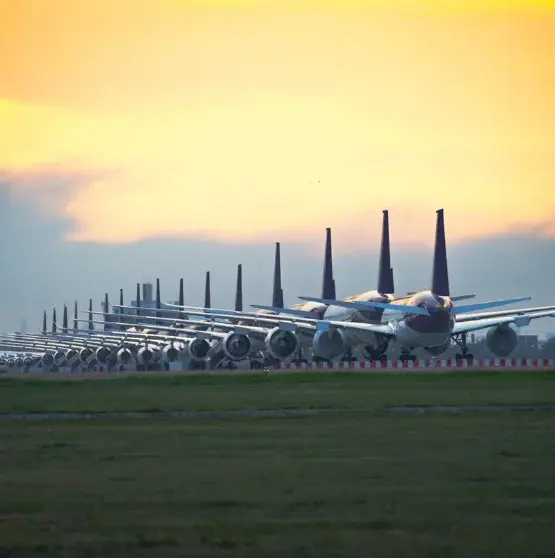
The retirement of the A340-600 comes down to three key factors — fuel efficiency, operating costs, and environmental responsibility.
Unlike today's modern twin-engine widebodies, the A340-600's four engines consume significantly more fuel and generate higher emissions per flight. As the aviation industry pushes towards greener operations, older four-engine jets have become increasingly difficult to sustain within a modern, competitive fleet.
Lufthansa is replacing the A340-600 with the Boeing 787 Dreamliner and the Airbus A350, both of which offer better fuel economy, quieter cabins, and a reduced environmental footprint — forming a central part of the airline's long-term sustainability and modernisation strategy.
It is worth noting that the retirement was delayed several times due to production and delivery setbacks with incoming replacement aircraft — a testament to just how dependable the A340-600 remained, even in its later years.
What Changes for Passengers?
For travellers who fly Lufthansa on long-haul routes, the retirement of the A340-600 is unlikely to disrupt existing services. Routes previously operated by the aircraft will continue, with newer jets taking over.
In many ways, the transition represents a genuine step forward for the passenger experience. Modern replacement aircraft offer noticeably improved cabin environments, including quieter interiors, better air quality, larger windows, and more advanced in-flight entertainment. Lufthansa is also progressively rolling out its new premium cabin product across its newer fleet, delivering an enhanced experience for business and first class travellers in particular.
For UK travellers routing through Frankfurt to destinations in North America or the Middle East, the overall journey experience is expected to improve as the newer fleet takes hold.
The End of a Remarkable Era
The Airbus A340 family carried hundreds of millions of passengers throughout its operational lifetime and built an outstanding safety record that few aircraft can match.
Lufthansa's farewell to the A340-600 is far more than a routine fleet update. It is the end of a genuinely important era in modern aviation — and a reminder of just how swiftly the industry moves forward.
Verified by Our Travel Operations Expert

Latest Posts
19 Jun, 2026
Qantas Project Sunrise Flights from Sydney to London & New York
 19 Jun, 2026
Etihad Airways Boosts Summer 2026 Flights and New Routes
19 Jun, 2026
Etihad Airways Boosts Summer 2026 Flights and New Routes
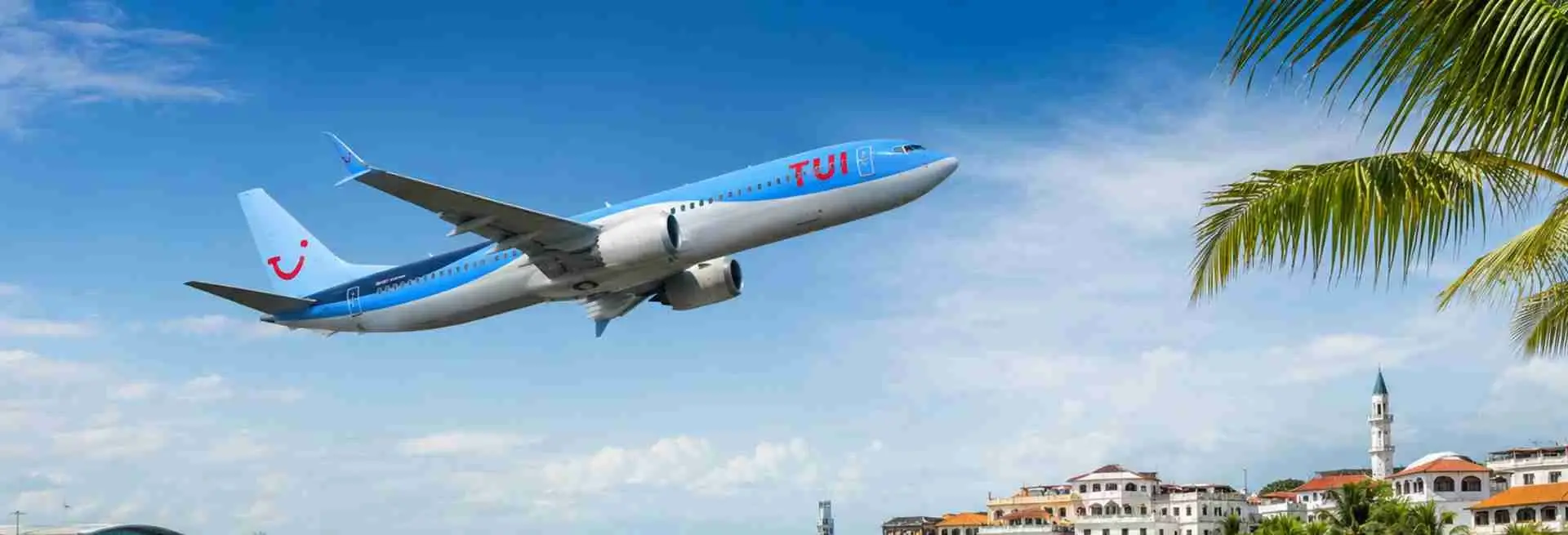 19 Jun, 2026
TUI London Gatwick to Zanzibar Flights 2027
19 Jun, 2026
TUI London Gatwick to Zanzibar Flights 2027
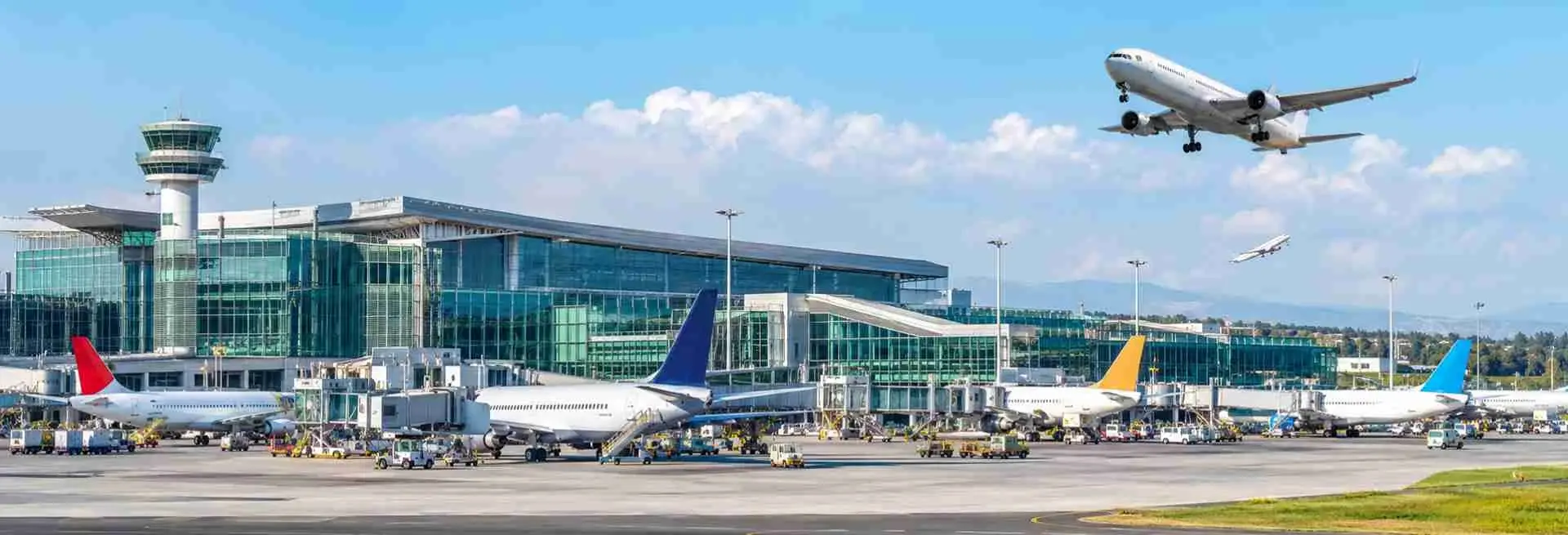 19 Jun, 2026
Manchester Airport Adds 12 New Summer Routes 2026
19 Jun, 2026
Manchester Airport Adds 12 New Summer Routes 2026
 19 Jun, 2026
Jet2 Direct Tunisia Flights from Birmingham Airport 2027
19 Jun, 2026
Jet2 Direct Tunisia Flights from Birmingham Airport 2027
Need help 

Got Questions? Call us 24/7!
02030237773
Email for Us!
support@crystaltravel.co.uk
12 Stephen Mews, London W1T 1AH, United Kingdom.
North America
Asia
Africa
Australia
London
Manchester
Birmingham
London Heathrow
Gatwick
North America
North American
Middle Eastern

Copyright © 2026 Moresand Ltd.(Reg No.02114691) T/A CrystalTravel registered in England and Wales.
Many of the flights and flight-inclusive holidays on this website are financially protected by the ATOL scheme. But ATOL protection does not apply to all holiday and travel services listed on this website. Please ask us to confirm what protection may apply to your booking. If you do not receive an ATOL Certificate then the booking will not be ATOL protected. If you do receive an ATOL Certificate but all the parts of your trip are not listed on it, those parts will not be ATOL protected. If you have booked a flight only where the ticket is not issued immediately, your flight will be protected under our ATOL. Please see our booking conditions for information, or for more information about financial protection and the ATOL Certificate go to ATOL Certificate






We Accept


