
 20 Jul, 2026
Pregnant Travellers Gain New EU Flight Protections
20 Jul, 2026
Pregnant Travellers Gain New EU Flight Protections
Crystal Travel | Travel News | May 2026
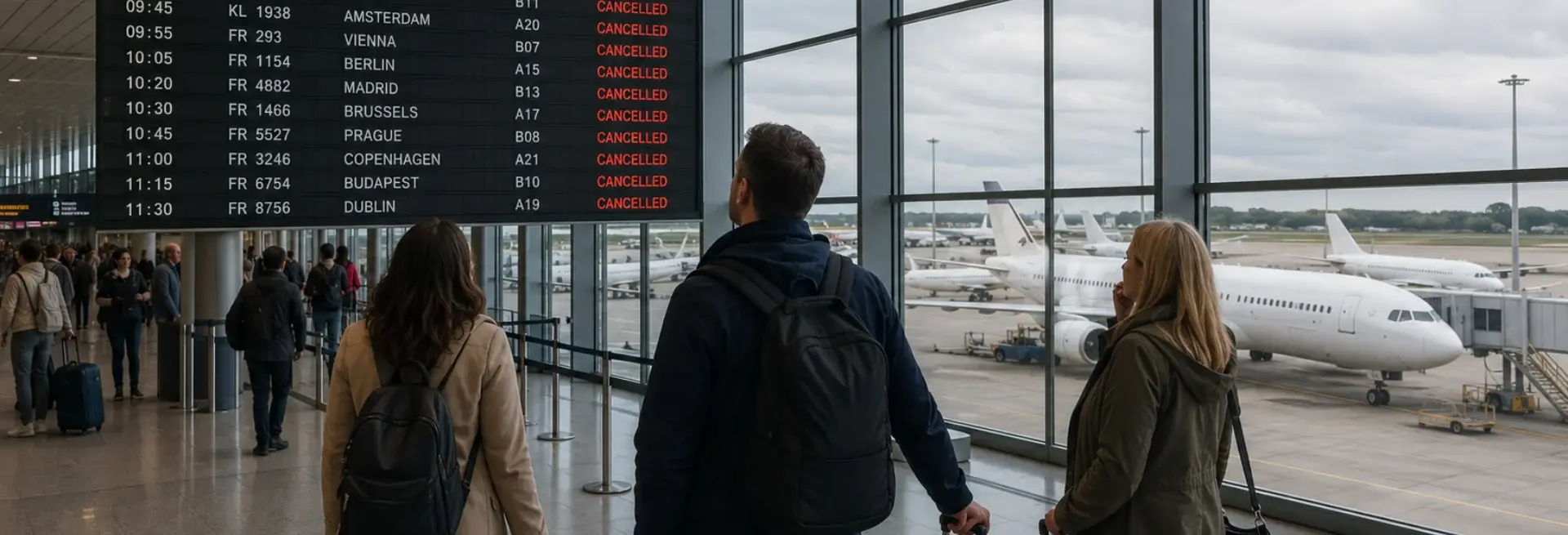
Millions of British holidaymakers face summer travel uncertainty as the jet fuel crisis forces airlines to cancel flights, cut routes, and raise fares just weeks before peak season.
The crisis traces back to the outbreak of the Iran war in early 2026 and the subsequent disruption to the Strait of Hormuz, a vital waterway through which roughly 20% of the world's oil supply flows. The blockade has drastically reduced jet fuel supplies reaching European airlines, sending prices to record highs almost overnight.
Jet fuel accounts for around 30% of an airline's total operating costs. With prices more than doubling in a matter of weeks, airlines have been left with little choice but to ground aircraft, cut routes, and pass the costs on to passengers.
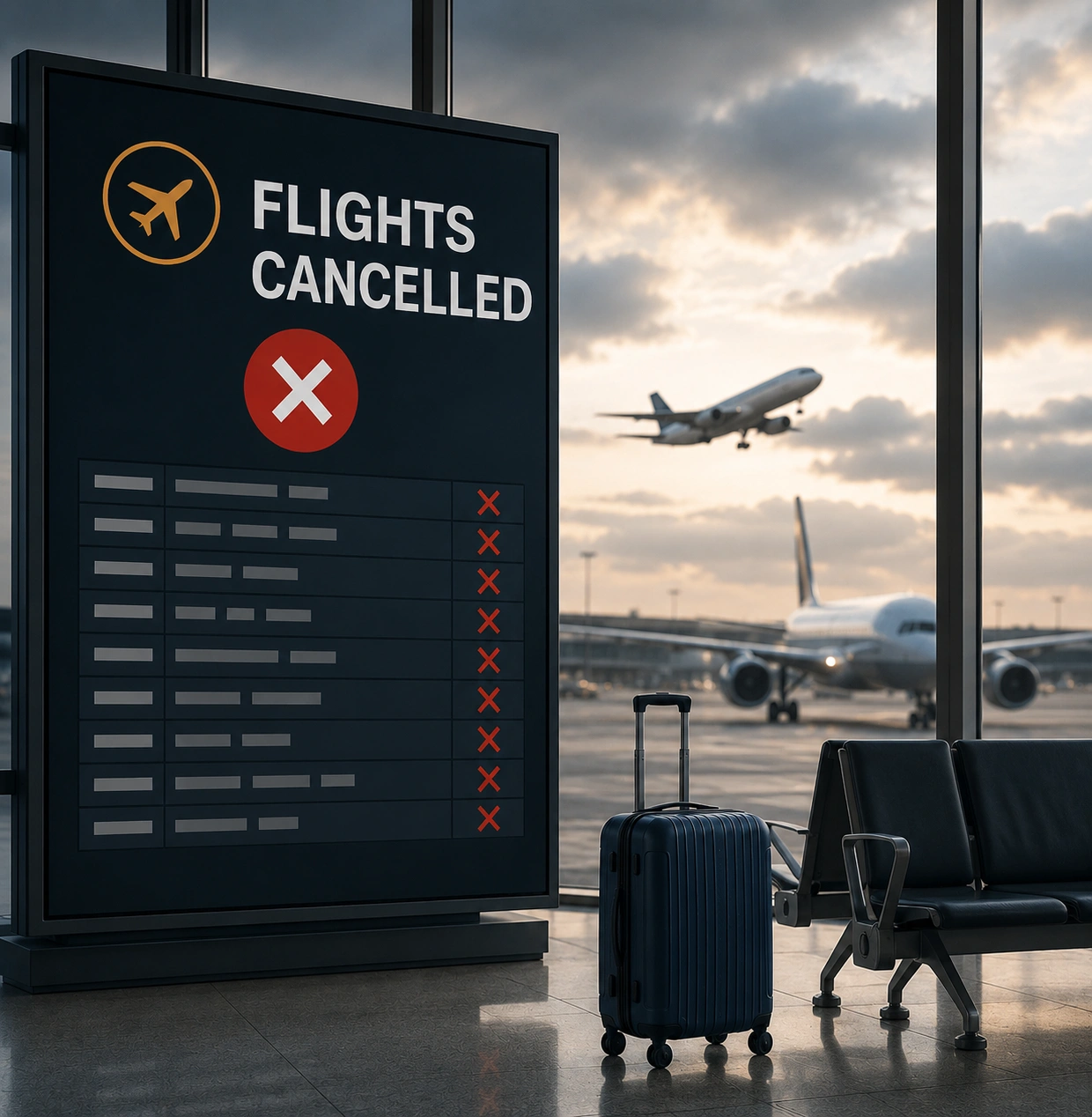
The cancellations span major carriers across the continent. Lufthansa alone has pulled around 20,000 flights from its schedule through to October 2026, saving tens of thousands of metric tons of fuel in the process. Scandinavian carrier SAS cancelled around 1,000 flights in April. KLM has cut 160 intra-European routes, citing rising kerosene costs. Turkish Airlines has suspended multiple international destinations across Europe, Africa, and Asia. Ryanair's chief executive has warned that further summer capacity cuts remain on the table if the shortage deepens.
British carriers are not immune. Virgin Atlantic has introduced fuel surcharges across its network, while British Airways' parent company, IAG, has confirmed that sharply rising fuel prices are placing significant financial pressure on its operations.
Passengers booking today are already paying considerably more. Across UK and European airlines, fuel-related charges have risen by between 15% and 30% since early March, with long-haul routes seeing the steepest increases. Virgin Atlantic has introduced fuel surcharges across its network, and British Airways has warned of further pricing adjustments ahead. Budget carriers flying from UK airports, including popular routes to Spain, Greece, and Portugal, are also seeing fewer cheap seats available as airlines prioritise profitability over low fares. Industry analysts forecast average airfares could rise a further 5% to 10% through the summer months, meaning British travellers who delay booking are likely to pay significantly more than those who act now.
Britain is in a particularly vulnerable position. The UK imports around 65% of its jet fuel, much of it historically sourced through Middle Eastern supply chains now under severe pressure. Industry research has identified the UK as Europe's most structurally exposed market, with domestic airline fuel reserves potentially running low just as the school summer holiday season gets underway in late June and July. Travellers departing from major airports, including London Gatwick, Manchester, and regional hubs, face the highest risk of cancellations and last-minute disruption.
If your flight is cancelled, UK law entitles you to a full refund or a suitable alternative flight under UK261 regulations. Crucially, airlines cannot legally add surcharges to tickets already purchased — your price is locked in at the point of booking. Do not cancel your booking voluntarily, as doing so forfeits your legal protections. Always wait for the airline to act first.
The best advice right now is to book early to secure today's fares, choose ATOL-protected for added financial security, and monitor your airline's updates closely in the weeks ahead. The Crystal Travel team is on hand to help you plan with confidence.
Verified by Our Travel Operations Expert
 20 Jul, 2026
Pregnant Travellers Gain New EU Flight Protections
20 Jul, 2026
Pregnant Travellers Gain New EU Flight Protections
 20 Jul, 2026
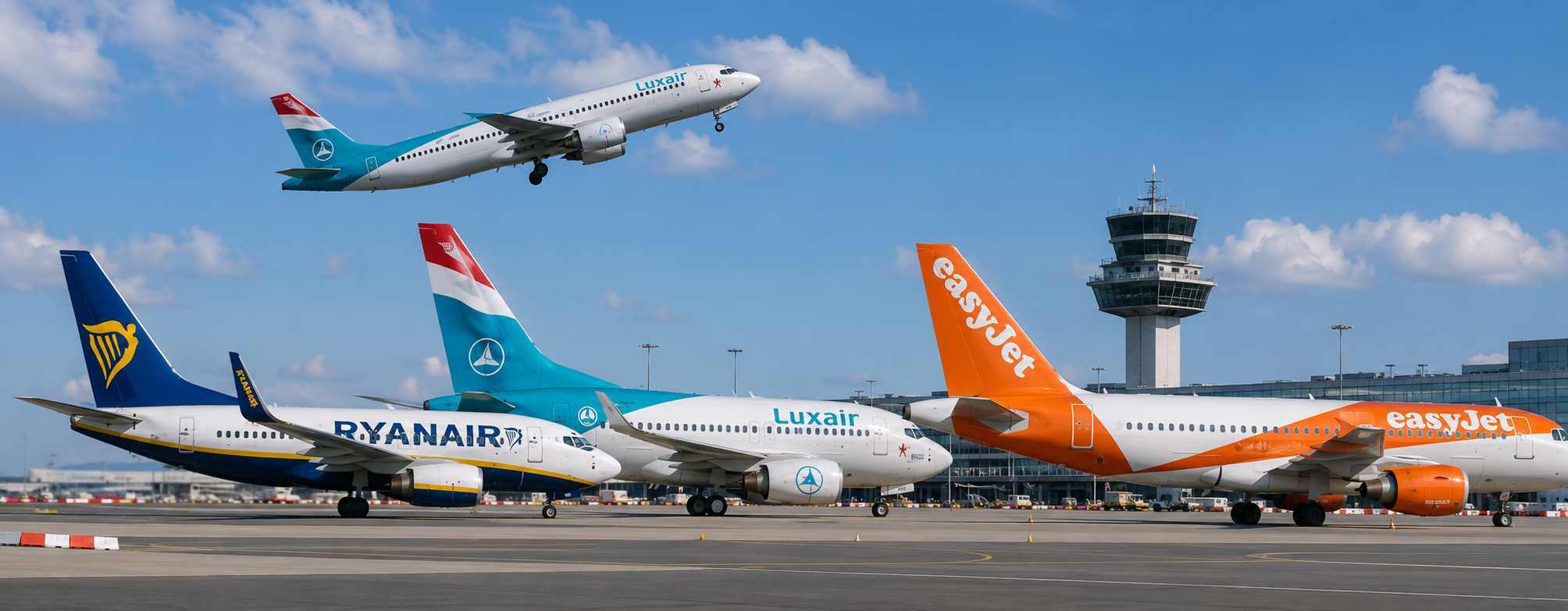
Luxair Announces 11 New Routes for 2026
20 Jul, 2026
Luxair Announces 11 New Routes for 2026
 20 Jul, 2026
Europe Flight Expansion 2026: New Routes and More Services
20 Jul, 2026
Europe Flight Expansion 2026: New Routes and More Services
 20 Jul, 2026
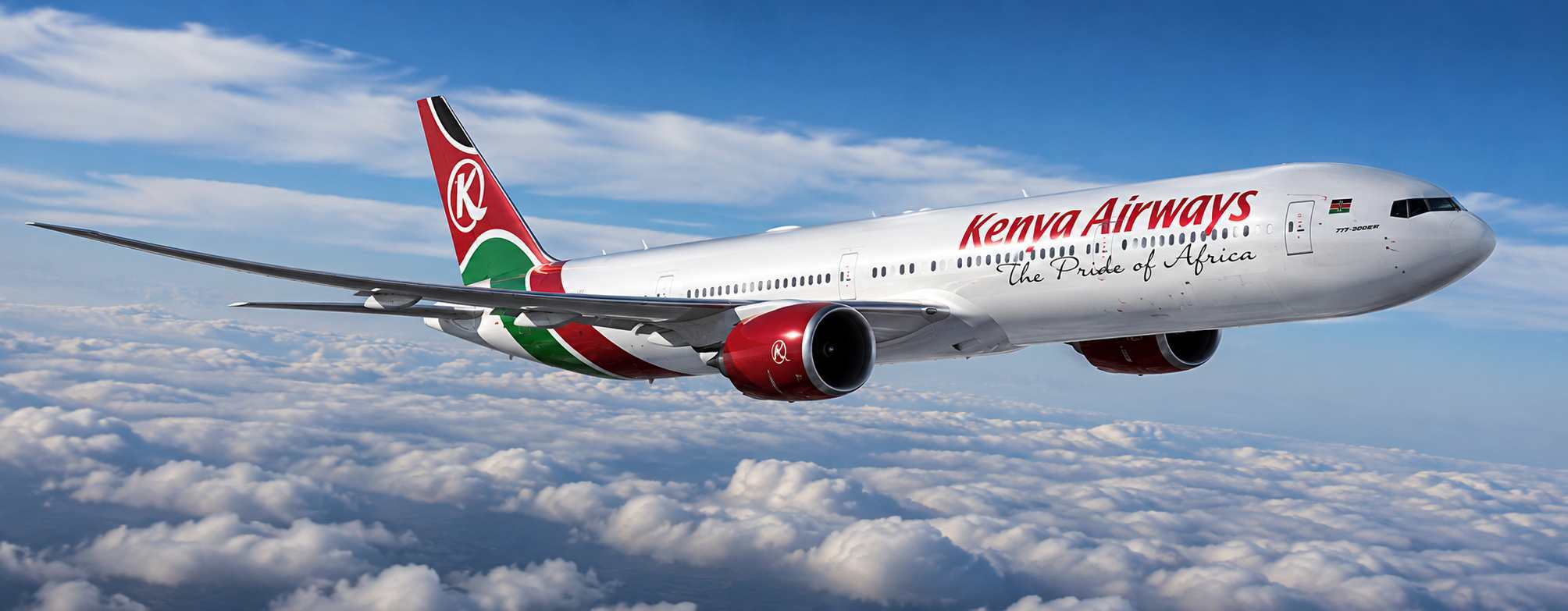
Kenya Airways Nairobi–Heathrow Boeing 777 Capacity Boost
20 Jul, 2026
Kenya Airways Nairobi–Heathrow Boeing 777 Capacity Boost
 20 Jul, 2026
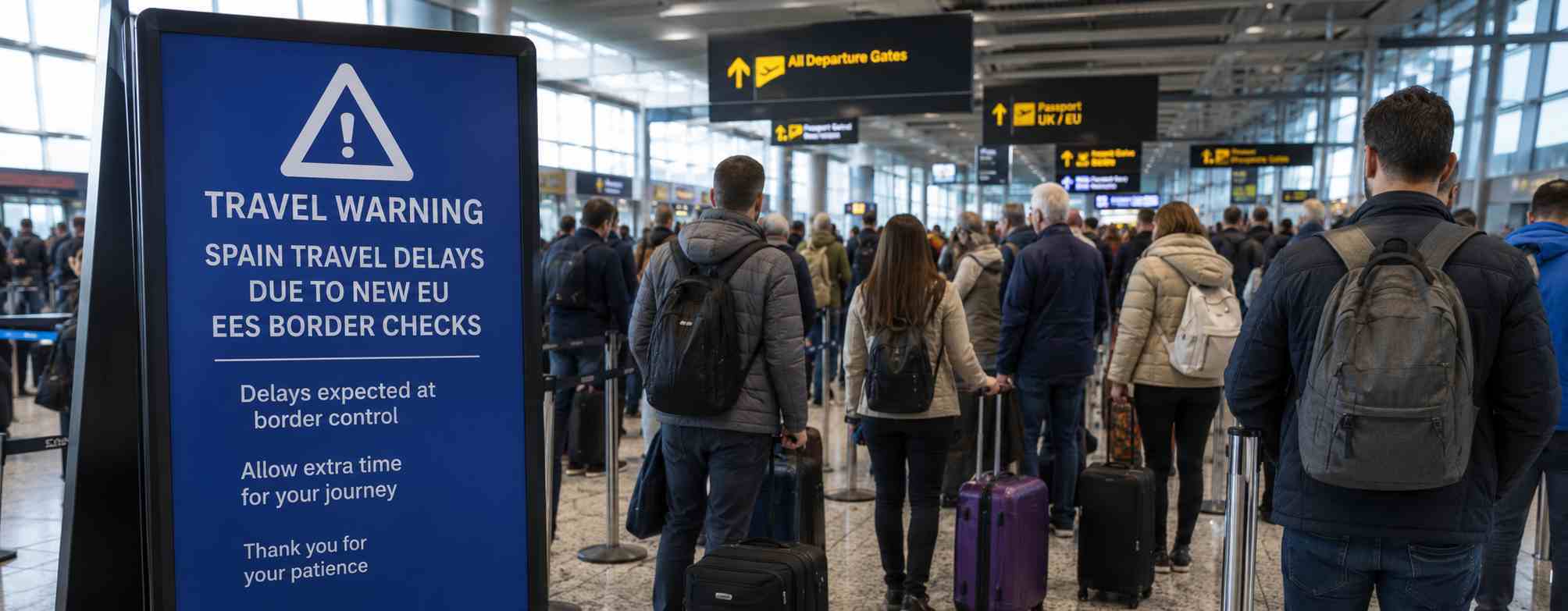
Edinburgh Airport Spain Travel Warning: EES Delays
20 Jul, 2026
Edinburgh Airport Spain Travel Warning: EES Delays


Got Questions? Call us 24/7!
02030237773
Email for Us!
support@crystaltravel.co.uk
12 Stephen Mews, London W1T 1AH, United Kingdom.

Copyright © 2026 Moresand Ltd.(Reg No.02114691) T/A CrystalTravel registered in England and Wales.
Many of the flights and flight-inclusive holidays on this website are financially protected by the ATOL scheme. But ATOL protection does not apply to all holiday and travel services listed on this website. Please ask us to confirm what protection may apply to your booking. If you do not receive an ATOL Certificate then the booking will not be ATOL protected. If you do receive an ATOL Certificate but all the parts of your trip are not listed on it, those parts will not be ATOL protected. If you have booked a flight only where the ticket is not issued immediately, your flight will be protected under our ATOL. Please see our booking conditions for information, or for more information about financial protection and the ATOL Certificate go to ATOL Certificate