

 11 Jun, 2026
Airlink Cape Town to Mauritius Direct Flights Launch
11 Jun, 2026
Airlink Cape Town to Mauritius Direct Flights Launch

EU Border System Delays May Take Two Years to Stabilise, Official Warns
Crystal Travel | Travel News | 11 June 2026
Travellers heading to Europe face a prolonged period of border disruption as officials admit the EU's new Entry/Exit System could take up to two years to bed in.
EU Entry/Exit System Delays: The Official Warning UK Travellers Cannot Ignore
A senior official has warned that queues and delays caused by the European Union's new Entry/Exit System — known as EES — may not stabilise for up to two years after the system launches. It is one of the most candid and concerning admissions yet from within the programme's oversight, and it fundamentally changes how travellers should think about visiting Europe in the coming years. For UK holidaymakers, who already face a more complex border process following Brexit, the warning carries particular weight.
What Is the EU Entry/Exit System and How Does It Work?
The EES is a new automated border control programme that replaces the previous manual passport stamping process for non-EU nationals entering the Schengen Area. Under the new system, travellers will be required to register biometric data — including fingerprints and a facial scan — at the border on their first entry within any 180 days. The data is stored digitally and checked on subsequent entries, with the system designed to give EU border authorities a more accurate and reliable record of who is entering and exiting the zone. While the long-term ambition is a faster, more secure border experience, the transition period is now expected to be significantly disruptive.
Why British Travellers Face a Bigger Impact Than Most
For UK nationals, the introduction of EES represents a meaningful shift in the day-to-day reality of travelling to Europe. Since Brexit, British citizens are treated as third-country nationals under EU law — meaning they are no longer eligible to use EU e-gates at most Schengen entry points. Every UK traveller entering the Schengen Area will need to complete the biometric registration process in person at a staffed border booth. With the UK being one of the largest sources of visitors to popular Schengen destinations, the volume of British passengers requiring first-time registration is expected to place considerable pressure on border infrastructure from the outset.
Why the EU Entry/Exit System Has Faced Repeated Delays
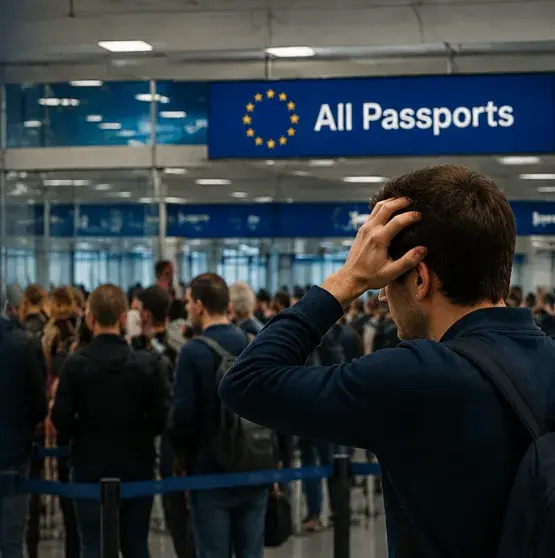
A History of Delays: Why EES Has Missed Multiple Launch Deadlines
The Entry/Exit System was originally due to launch in 2022, but has been postponed several times since. The reasons have been consistent throughout: incomplete infrastructure at border checkpoints, uneven levels of readiness across EU member states, and serious concerns raised by port and airport operators about their capacity to process passengers efficiently under the new regime. Each successive delay has added to the uncertainty facing travellers, airlines, and operators who have been preparing for the change for years, and has done little to inspire confidence in a smooth rollout when the system does eventually go live.
Peak Summer Travel Periods at Greatest Risk of Severe Disruption
The two-year stabilisation timeline is particularly alarming when set against the backdrop of peak holiday travel. Summer months, when airports and border crossings are already operating at or near capacity, are expected to see the most acute delays. Major entry points serving high volumes of UK passengers — including airports across Spain, France, Greece, and Portugal — face the heaviest burden of first-time registrations. Cross-Channel routes via Eurostar, ferry services, and the Channel Tunnel are also expected to come under significant pressure, with the physical constraints of some crossings limiting the options available for managing longer queues.
How UK Travellers Should Prepare for EES Border Changes
Building extra time into any travel itinerary is now essential. Travellers should expect staffed booth queues rather than e-gate access, monitor guidance from their departure point and destination airport, and stay alert to any official announcements on the confirmed launch date.
For expert advice on travelling to Europe during the EES rollout, speak to the team at Crystal Travel today.
Verified by Our Travel Operations Expert

Latest Posts
11 Jun, 2026
Airlink Cape Town to Mauritius Direct Flights Launch
 11 Jun, 2026
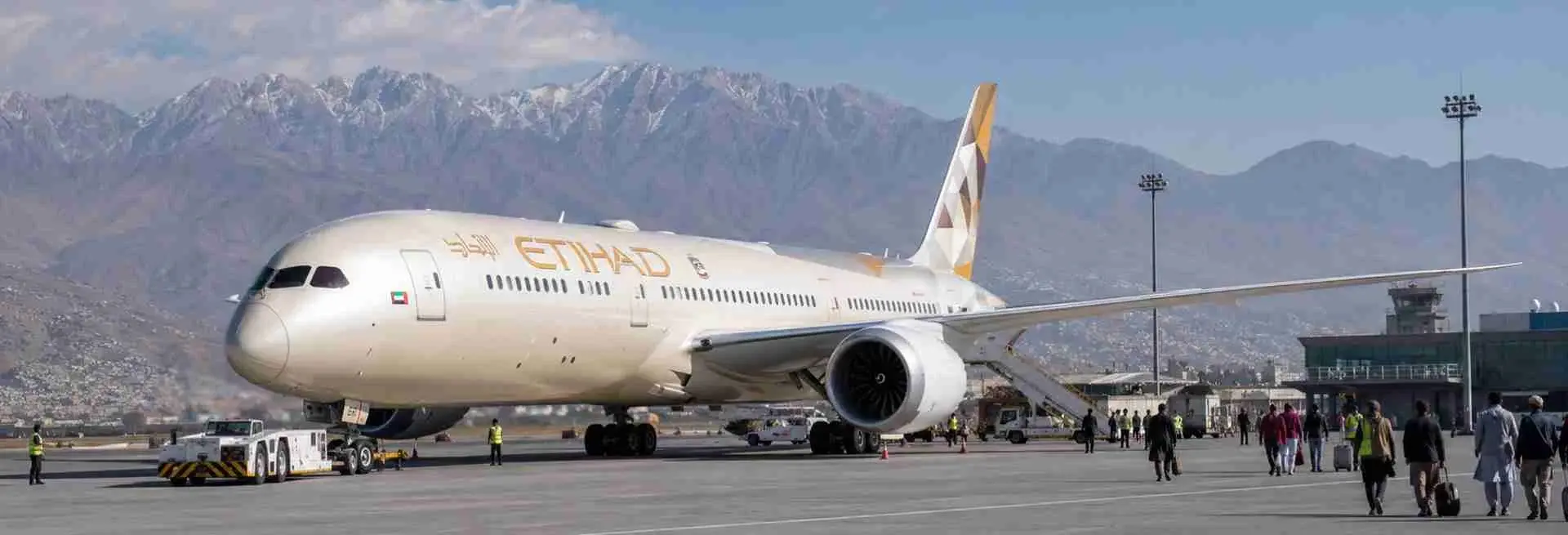
Etihad Doubles Kabul Flight Frequency Amid Rising Demand
11 Jun, 2026
Etihad Doubles Kabul Flight Frequency Amid Rising Demand
 11 Jun, 2026
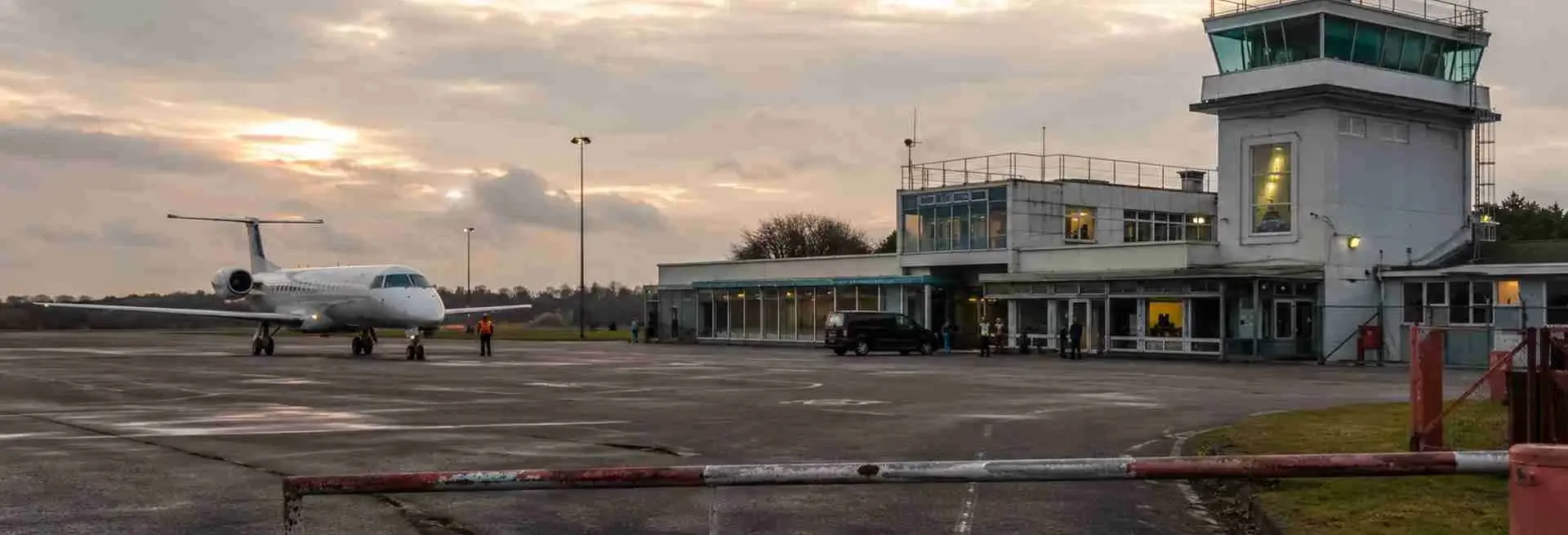
Coventry Airport Closes Permanently After 90 Years of UK Aviation
11 Jun, 2026
Coventry Airport Closes Permanently After 90 Years of UK Aviation
 11 Jun, 2026
Ryanair Under CAA Investigation for Family Seat Fees
11 Jun, 2026
Ryanair Under CAA Investigation for Family Seat Fees
 10 Jun, 2026
Ryanair Pricing Changes Amid European Travel Overhaul
10 Jun, 2026
Ryanair Pricing Changes Amid European Travel Overhaul
Need help 

Got Questions? Call us 24/7!
02030237773
Email for Us!
support@crystaltravel.co.uk
12 Stephen Mews, London W1T 1AH, United Kingdom.
North America
Asia
Africa
Australia
London
Manchester
Birmingham
London Heathrow
Gatwick
North America
North American
Middle Eastern

Copyright © 2026 Moresand Ltd.(Reg No.02114691) T/A CrystalTravel registered in England and Wales.
Many of the flights and flight-inclusive holidays on this website are financially protected by the ATOL scheme. But ATOL protection does not apply to all holiday and travel services listed on this website. Please ask us to confirm what protection may apply to your booking. If you do not receive an ATOL Certificate then the booking will not be ATOL protected. If you do receive an ATOL Certificate but all the parts of your trip are not listed on it, those parts will not be ATOL protected. If you have booked a flight only where the ticket is not issued immediately, your flight will be protected under our ATOL. Please see our booking conditions for information, or for more information about financial protection and the ATOL Certificate go to ATOL Certificate






We Accept


