

 24 Jun, 2026
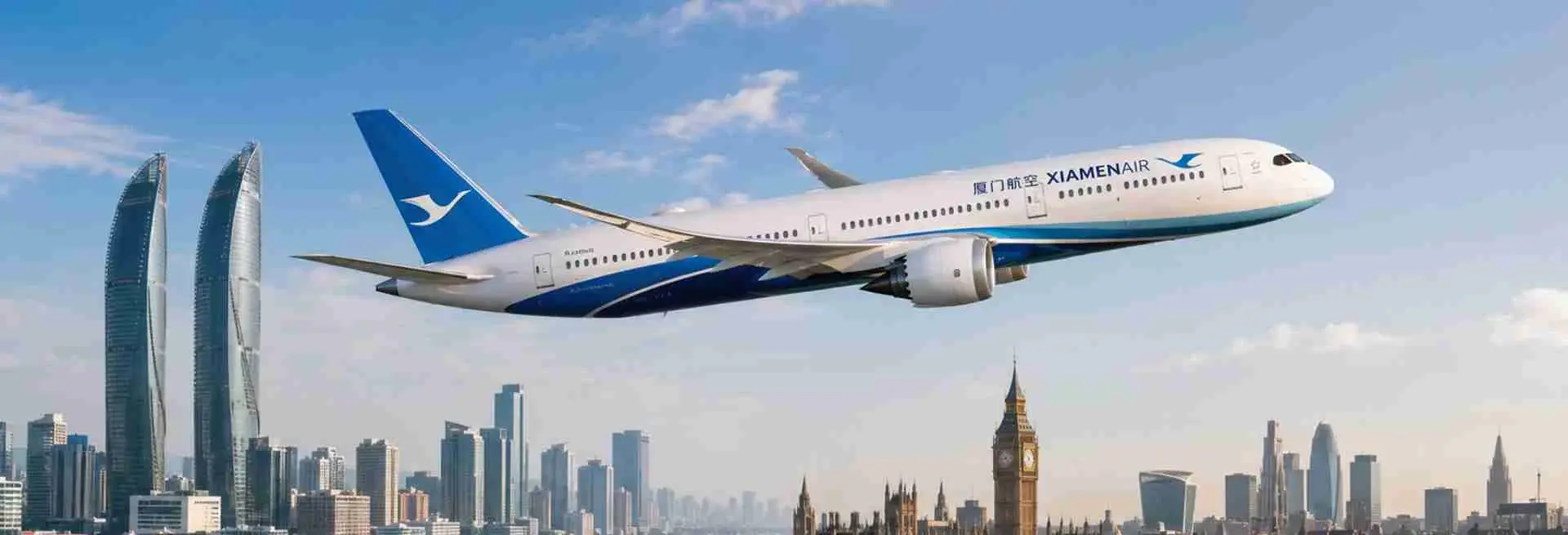
Xiamen to London Heathrow Flights Launch This September
24 Jun, 2026
Xiamen to London Heathrow Flights Launch This September
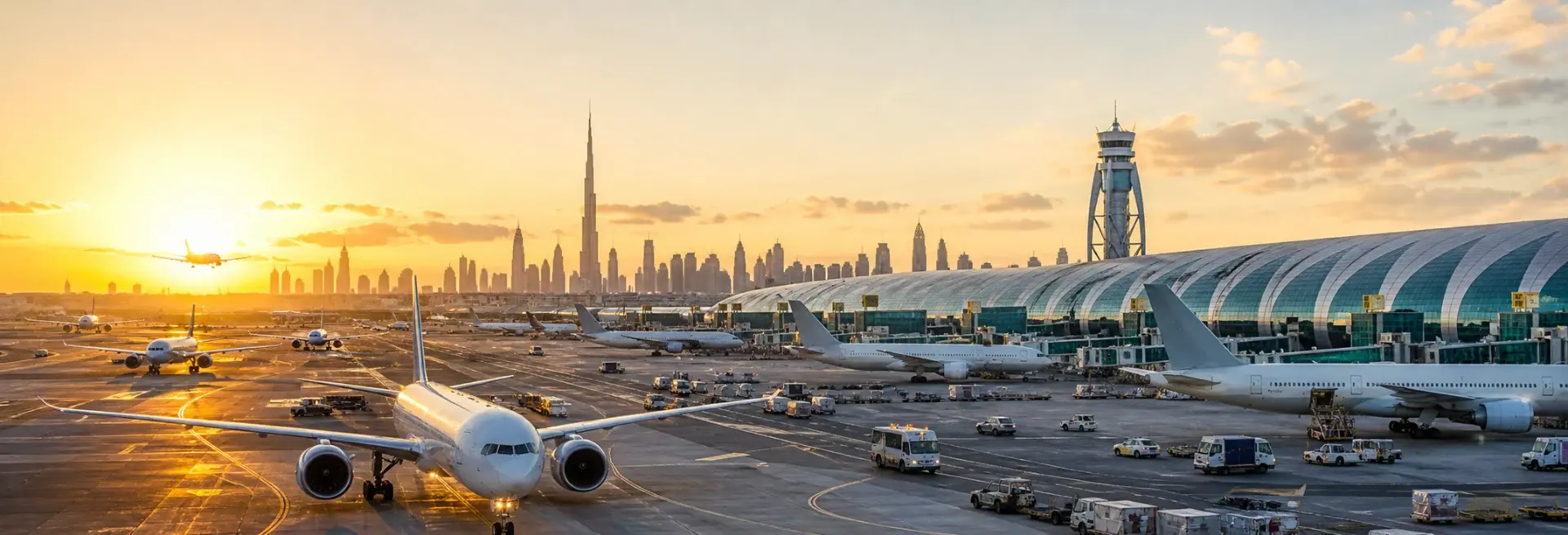
Dubai Airport Back to Full Operations as UAE Airspace Reopens After Regional Disruption
Crystal Travel | Travel News | May 2026
Gulf airspace is clear, Dubai Airport is fully operational, and international flights are resuming — here is everything you need to know.
UAE Airspace Reopens
After months of significant disruption across the Middle East, the United Arab Emirates has officially lifted all airspace restrictions, restoring normal operations across its major aviation hubs. For British travellers who regularly fly through Dubai and Abu Dhabi, this marks a genuinely positive moment — and signals that international air travel through the Gulf is firmly on the road to recovery.
How Did the Disruption Begin?
The disruption began in late February 2026, when escalating tensions linked to the US–Israel conflict with Iran triggered retaliatory strikes across the Gulf region. The impact on aviation was almost immediate. Several countries across the Middle East, including the UAE, announced full or partial airspace closures as a precautionary measure, and some of the world's busiest air corridors were thrown into uncertainty overnight.
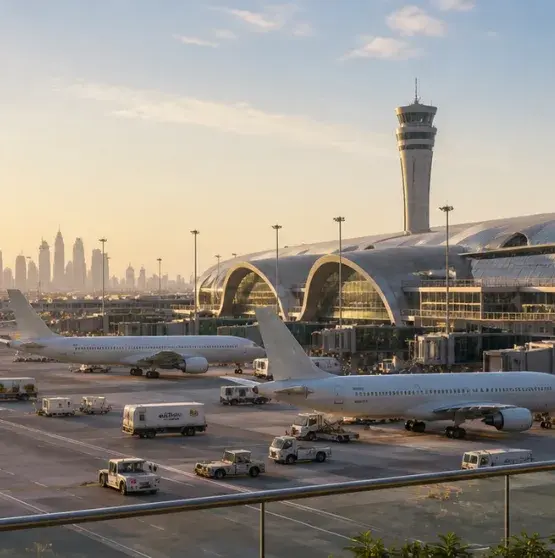
Dubai International Airport — one of the most important international hubs on the planet — and Abu Dhabi's Zayed International Airport both came under heavy operational restrictions. Major UAE carriers suspended or significantly scaled back their services, and thousands of flights across the region were cancelled or rerouted in the weeks that followed. Long-haul routes between Europe and Asia, many of which pass through the Gulf, were among the worst affected.
UAE Airspace Reopening Brings Flights Back on Track
How Recovery Unfolded
The UAE began a gradual, phased reopening of its airspace in March 2026, slowly restoring flight movements while security conditions were carefully assessed. A ceasefire brokered in the region last month brought the conflict to a halt and opened the door for full normalisation.
On 2 May 2026, the UAE's General Civil Aviation Authority officially announced that all temporary precautionary measures had been lifted and that airspace operations had returned to normal status. Dubai Airports confirmed it was moving quickly to scale up flight movements and restore full capacity across its terminals in line with this announcement.
Where Airlines Stand Right Now
The recovery is well underway, though airlines are sensibly rebuilding their schedules in stages rather than all at once. Emirates, the UAE's flagship carrier, has been steadily restoring routes and is now serving a broad range of destinations across Europe, Asia, Africa, and the Americas, with further expansion planned through June. Key UK routes, including services to London and Manchester, have seen increased frequencies restored.
Etihad Airways has similarly been rebuilding its network from Abu Dhabi, with services now covering destinations across Europe, Asia, and North America. Flydubai is also expanding, though some routes remain on reduced schedules as the wider regional picture continues to stabilise.
European carriers, including British Airways, KLM, and Lufthansa, are also in the process of resuming and expanding their UAE services, with capacity expected to continue growing through the coming weeks.
What British Travellers Should Know
For anyone planning to travel to the UAE or connecting through Dubai and Abu Dhabi this summer, the outlook is increasingly positive. Flight options are growing week by week, and fares that climbed during the period of restricted operations are expected to ease as more capacity comes back into the market.
If your travel plans were disrupted during the crisis, it is worth contacting your airline or travel agent directly to understand your rebooking and refund options, as most major carriers have put flexible policies in place for affected passengers.
Dubai and Abu Dhabi are open, operational, and ready to welcome travellers once again. If you have been waiting to book, now is a good time to plan with confidence.
At Crystal Travel, our team is on hand to help you find the right flights for your next trip. Get in touch today.
Verified by Our Travel Operations Expert

Latest Posts
24 Jun, 2026
Xiamen to London Heathrow Flights Launch This September
 24 Jun, 2026
Virgin Atlantic Launches Live Sport Streaming on Flights
24 Jun, 2026
Virgin Atlantic Launches Live Sport Streaming on Flights
 24 Jun, 2026
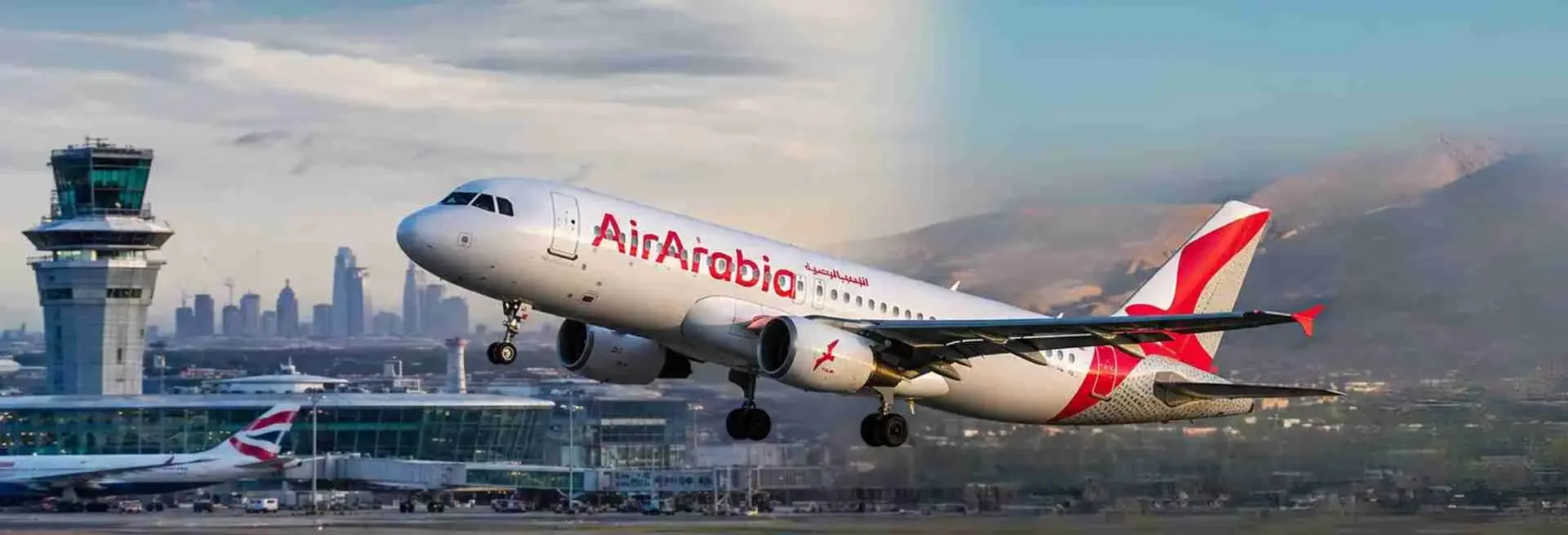
Air Arabia Expands Network with London Gatwick and Osh Flights
24 Jun, 2026
Air Arabia Expands Network with London Gatwick and Osh Flights
 24 Jun, 2026
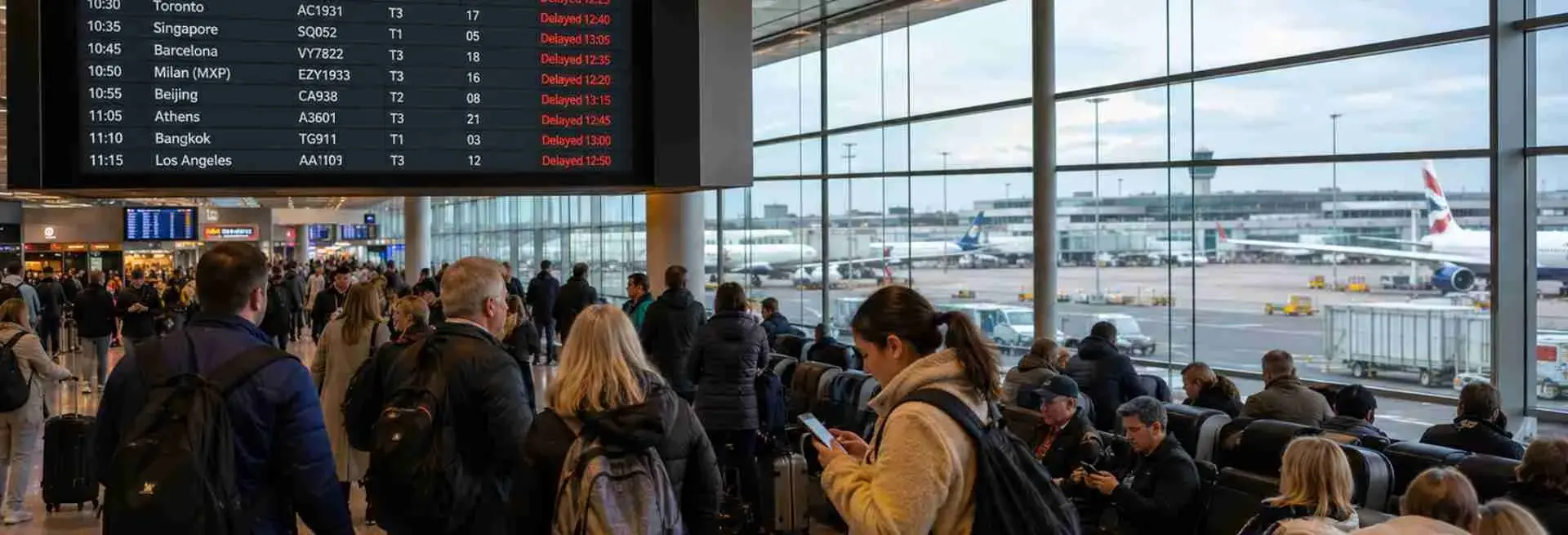
Manchester Airport Flight Delays Hit International Routes
24 Jun, 2026
Manchester Airport Flight Delays Hit International Routes
 24 Jun, 2026
EasyJet Launches Bristol to Reus and Thessaloniki Flights
24 Jun, 2026
EasyJet Launches Bristol to Reus and Thessaloniki Flights
Need help 

Got Questions? Call us 24/7!
02030237773
Email for Us!
support@crystaltravel.co.uk
12 Stephen Mews, London W1T 1AH, United Kingdom.
North America
Asia
Africa
Australia
London
Manchester
Birmingham
London Heathrow
Gatwick
North America
North American
Middle Eastern

Copyright © 2026 Moresand Ltd.(Reg No.02114691) T/A CrystalTravel registered in England and Wales.
Many of the flights and flight-inclusive holidays on this website are financially protected by the ATOL scheme. But ATOL protection does not apply to all holiday and travel services listed on this website. Please ask us to confirm what protection may apply to your booking. If you do not receive an ATOL Certificate then the booking will not be ATOL protected. If you do receive an ATOL Certificate but all the parts of your trip are not listed on it, those parts will not be ATOL protected. If you have booked a flight only where the ticket is not issued immediately, your flight will be protected under our ATOL. Please see our booking conditions for information, or for more information about financial protection and the ATOL Certificate go to ATOL Certificate






We Accept


