

 26 Jun, 2026
Jet2 Manchester to Tunisia Flights Summer 2027
26 Jun, 2026
Jet2 Manchester to Tunisia Flights Summer 2027
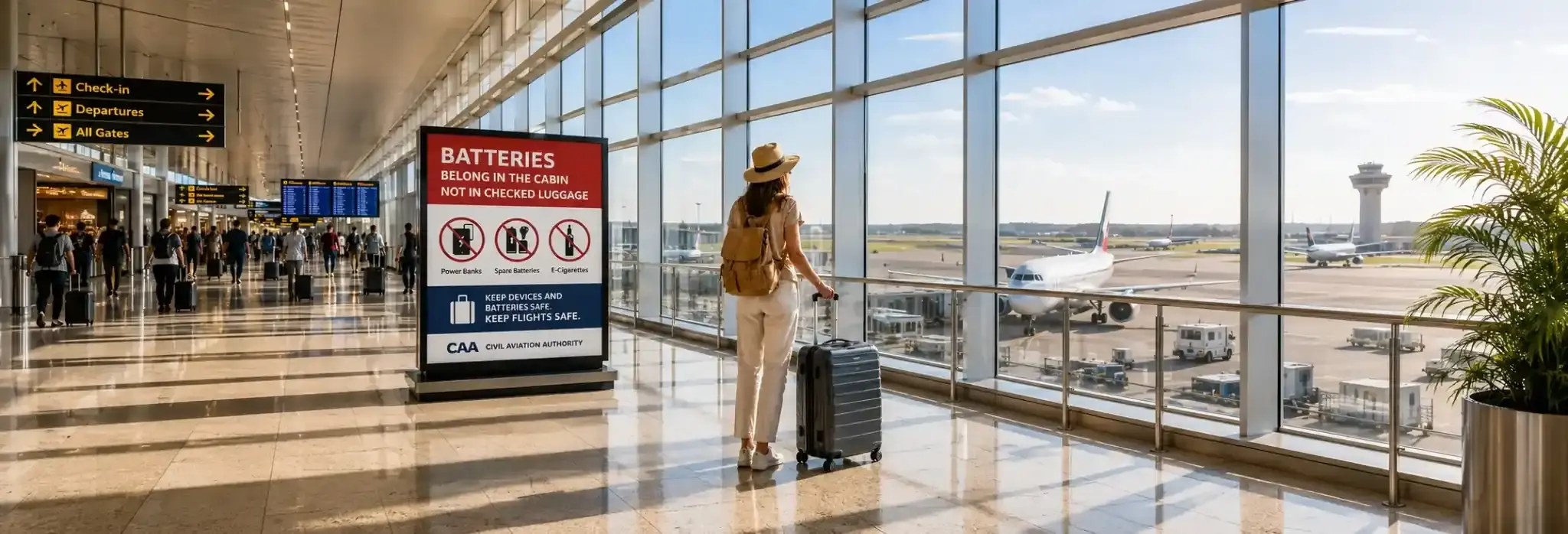
All British Summer Flyers Warned Over Checked Luggage Safety Risk
Crystal Travel | Travel News | 26 June 2026
Britain's aviation regulator is urging holidaymakers to pack their electronics carefully this summer, as UK airports prepare for one of their busiest seasons on record.
Millions of passengers expected through UK Airports This Summer
More than 60 million people are set to travel through UK airports between now and the end of the summer season, according to figures that place this year among the busiest on record for British aviation. Against that backdrop, the UK Civil Aviation Authority has issued a timely safety warning directed at every passenger preparing to fly: lithium batteries must not be packed in checked luggage.
The CAA is asking travellers to take a few minutes before they head to the airport to check what is in their bags and where battery-powered devices are stored. It is a simple step, but one that the regulator says could prevent a serious in-flight safety incident.
Why the CAA Is Warning Passengers About Batteries in Hold Luggage
The concern centres on lithium-ion batteries, which power most everyday devices, including smartphones, laptops, power banks, cameras, and e-cigarettes. Under certain conditions — including physical damage, manufacturing defects, or exposure to extreme pressure and temperature — these batteries can overheat rapidly. This triggers a process known as thermal runaway, where internal temperatures escalate uncontrollably and can result in fire.
What makes this particularly dangerous in the aircraft hold is the absence of crew. In the passenger cabin, a fire involving a battery can be spotted and tackled quickly. In the hold, a fire can develop entirely undetected before anyone on board is aware it has started. Aviation regulators worldwide regard lithium battery fires as one of the most serious risks in commercial aviation, and the rule against carrying them in hold luggage exists for precisely this reason.
What to Keep Out of Your Checked Luggage
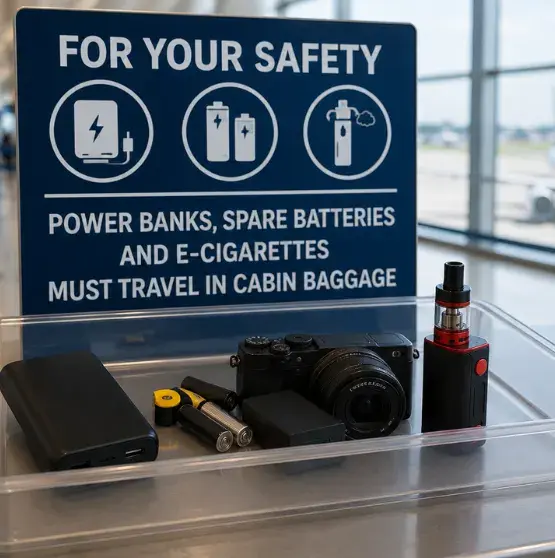
Power Banks, Spare Batteries, and E-Cigarettes Must Travel in Cabin Baggage
The CAA's guidance is clear on which items must always travel in hand luggage rather than checked bags. Power banks and portable chargers of any capacity are prohibited from being carried without exception. Spare or loose lithium batteries — including those for cameras, handheld gaming devices, wireless headphones, and e-cigarettes — must also be kept in cabin baggage at all times.
Devices with batteries fitted inside, such as a laptop or digital camera with its battery installed, can generally be placed in hold luggage if switched off and protected from accidental activation. However, passengers should verify their airline's specific policy before travelling, as individual carriers may apply stricter rules.
Most airlines also impose watt-hour limits on batteries permitted in the cabin. Travellers carrying high-capacity power banks or professional camera batteries are advised to check these limits in advance to avoid any issues at the gate.
What UK Travellers Should Check Before Flying This Summer
With airports set to be at peak capacity throughout the summer, security lanes will be under significant pressure. Bags flagged at screening due to incorrectly packed batteries cause delays not just for the individual but for everyone around them. Items that cannot be moved to hand luggage on the spot may be confiscated before boarding.
The CAA's advice is straightforward: check your bags at home, move all batteries and portable chargers into your carry-on, and confirm your airline's rules before you travel.
For guidance on airline baggage policies and booking flights this summer, speak to the travel agents at Crystal Travel.
Verified by Our Travel Operations Expert

Latest Posts
26 Jun, 2026
Jet2 Manchester to Tunisia Flights Summer 2027
 26 Jun, 2026
Direct Birmingham to Cairo Flights with EgyptAir 2026
26 Jun, 2026
Direct Birmingham to Cairo Flights with EgyptAir 2026
 26 Jun, 2026
Ryanair Family Seating Policy Update
26 Jun, 2026
Ryanair Family Seating Policy Update
 26 Jun, 2026
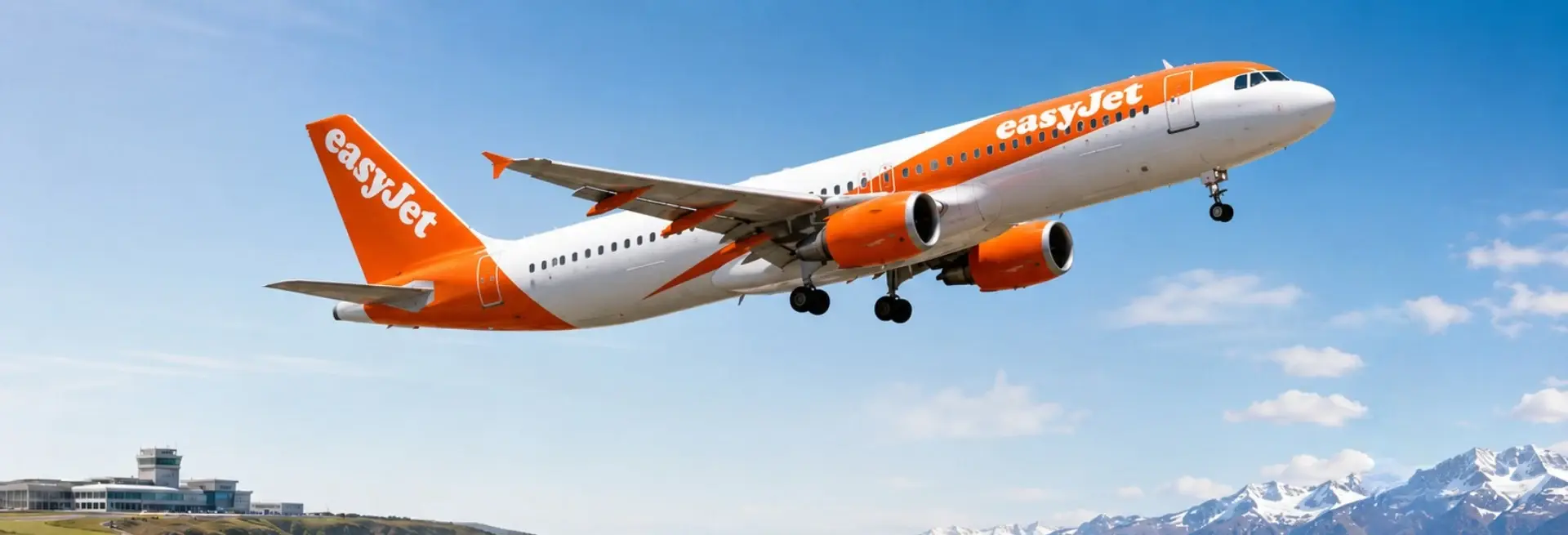
EasyJet Newquay to Geneva Flights Launch 2027
26 Jun, 2026
EasyJet Newquay to Geneva Flights Launch 2027
 26 Jun, 2026
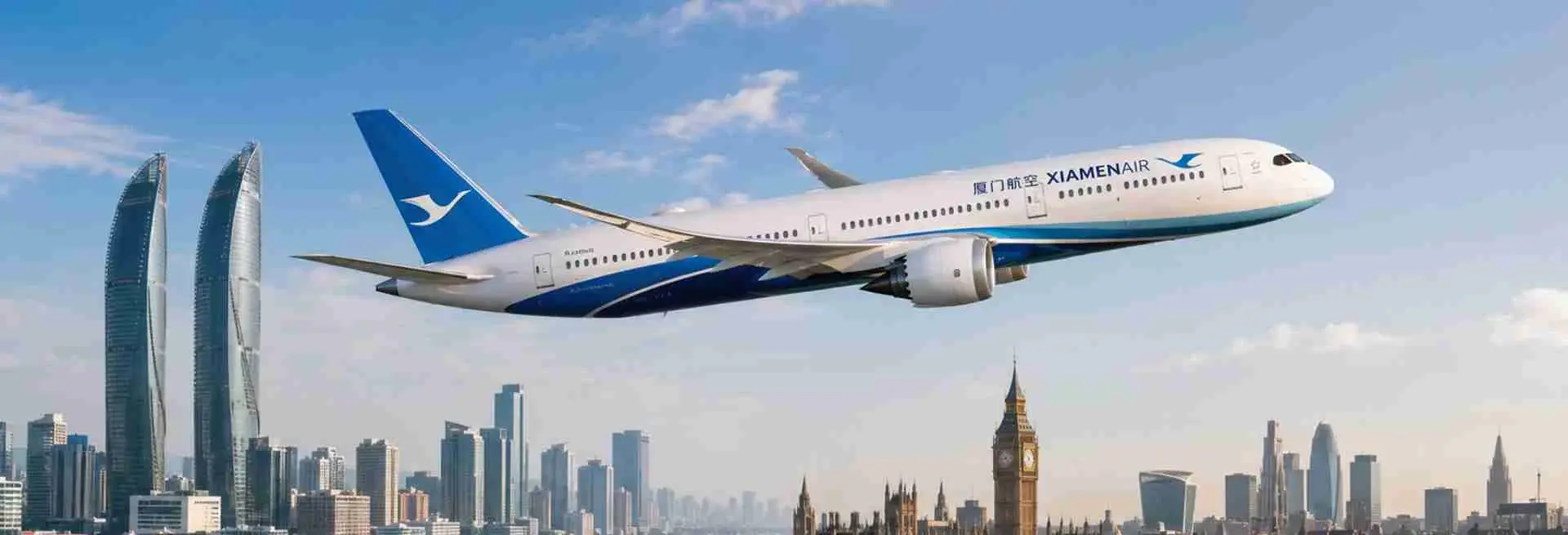
Xiamen to London Heathrow Flights Launch This September
26 Jun, 2026
Xiamen to London Heathrow Flights Launch This September
Need help 

Got Questions? Call us 24/7!
02030237773
Email for Us!
support@crystaltravel.co.uk
12 Stephen Mews, London W1T 1AH, United Kingdom.
North America
Asia
Africa
Australia
London
Manchester
Birmingham
London Heathrow
Gatwick
North America
North American
Middle Eastern

Copyright © 2026 Moresand Ltd.(Reg No.02114691) T/A CrystalTravel registered in England and Wales.
Many of the flights and flight-inclusive holidays on this website are financially protected by the ATOL scheme. But ATOL protection does not apply to all holiday and travel services listed on this website. Please ask us to confirm what protection may apply to your booking. If you do not receive an ATOL Certificate then the booking will not be ATOL protected. If you do receive an ATOL Certificate but all the parts of your trip are not listed on it, those parts will not be ATOL protected. If you have booked a flight only where the ticket is not issued immediately, your flight will be protected under our ATOL. Please see our booking conditions for information, or for more information about financial protection and the ATOL Certificate go to ATOL Certificate





We Accept


