












Crystal Travel | Travel News | 7 May, 2026
British Airways removes Club Europe headrest covers as the airline focuses on faster turnarounds, sustainability goals, and operational efficiency across its European network.
For many seasoned British travellers, settling into a Club Europe seat and spotting that crisp white fabric headrest cover has long been a small but reassuring sign that you have paid for something a little more refined. As of early May 2026, that familiar detail is no more.
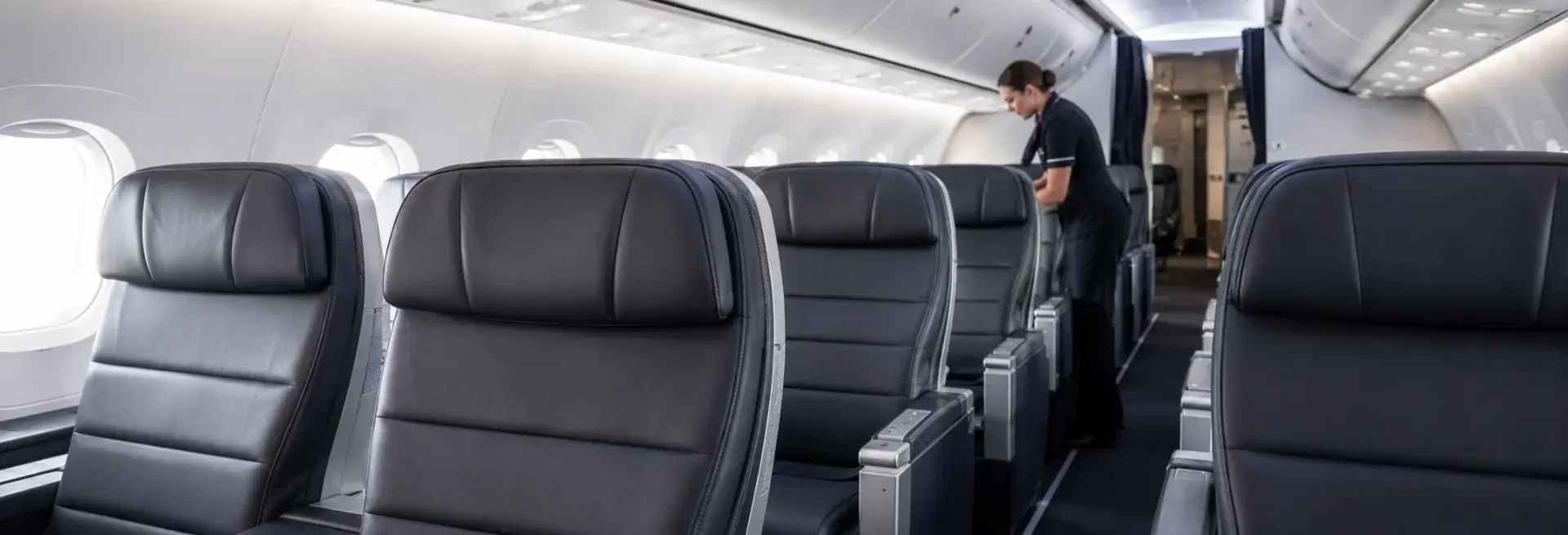
British Airways has officially removed fabric headrest covers, formally known as antimacassars, from its Club Europe short-haul business class cabin. The airline says the move supports better turnaround times, improved punctuality, and its wider sustainability commitments. For many loyal passengers, however, it feels like something far more than a routine operational adjustment.
On short-haul European routes, British Airways uses the same seats across both its business and economy cabins — there is no upgraded seat and no meaningful additional legroom. The distinguishing features of Club Europe have traditionally been the blocked middle seat, improved catering, lounge access, priority boarding, and a more generous baggage allowance.
The white fabric headrest covers were one of the very few visible, physical differences between a Club Europe seat and a standard economy one. Their removal means the two cabins are now, visually at least, almost indistinguishable — a detail that has not been lost on frequent flyers.
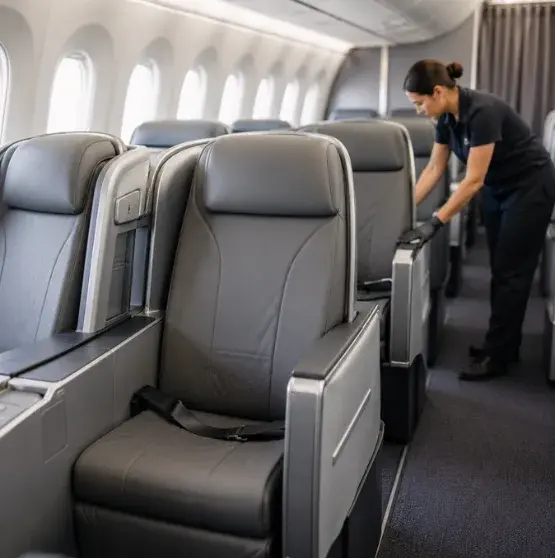
British Airways adjusts the size of its Club Europe cabin on a flight-by-flight basis depending on demand, meaning cleaning crews were regularly required to reposition and swap headrest covers across multiple rows between each flight. Removing them simplifies that process, saves valuable ground time, and helps reduce the risk of departure delays.
The airline has also pointed to sustainability benefits, noting that eliminating the regular laundering of fabric covers reduces energy and water consumption — a growing priority across the aviation industry as carriers face increasing pressure to shrink their environmental footprint.
Reaction from regular Club Europe travellers has been largely critical. Many view this as the latest in a pattern of gradual reductions to the short-haul business class product, following earlier changes such as the removal of hot breakfasts on certain European routes and other quiet service adjustments in recent years.
The wider concern is one of accumulated impact. Each change, viewed in isolation, may seem minor. Taken together, however, they raise a legitimate question: if the on-board experience continues to close the gap with economy class, what does the premium fare actually justify? For frequent flyers who rely on Club Europe regularly, that question is becoming harder to dismiss.
The core Club Europe benefits remain firmly in place. Passengers continue to enjoy lounge access, priority check-in, priority boarding, complimentary food and drink on board, a blocked middle seat, and a more generous baggage allowance. Headrest covers are also being retained across British Airways' long-haul fleet, where fabric-upholstered seats in premium cabins still require them for practical reasons.
For UK travellers booking short-haul business class, the Club Europe fare now rests more heavily on the ground experience — the lounge, priority services, and a smoother airport journey — than what is offered on board.
Whether this represents a sensible operational decision or a gradual erosion of short-haul premium travel is a debate very much alive among British travellers, and one British Airways will need to address as competition on European routes continues to grow.
At Crystal Travel, we keep a close eye on airline industry changes so you are always in the know before you fly. Whether you are planning a European business trip or a long-haul getaway, our experts are here to help. Get in touch with us today and let us take care of the journey.
Verified by Our Travel Operations Expert



Got Questions? Call us 24/7!
02030237773
Email for Us!
support@crystaltravel.co.uk
12 Stephen Mews, London W1T 1AH, United Kingdom.
Copyright © 2026 Moresand Ltd.(Reg No.02114691) T/A CrystalTravel registered in England and Wales.
Many of the flights and flight-inclusive holidays on this website are financially protected by the ATOL scheme. But ATOL protection does not apply to all holiday and travel services listed on this website. Please ask us to confirm what protection may apply to your booking. If you do not receive an ATOL Certificate then the booking will not be ATOL protected. If you do receive an ATOL Certificate but all the parts of your trip are not listed on it, those parts will not be ATOL protected. If you have booked a flight only where the ticket is not issued immediately, your flight will be protected under our ATOL. Please see our booking conditions for information, or for more information about financial protection and the ATOL Certificate go to ATOL Certificate