

 29 Jul, 2026
Jet2 Summer 2027: New Routes from Bournemouth, Stansted and Jersey
29 Jul, 2026
Jet2 Summer 2027: New Routes from Bournemouth, Stansted and Jersey
Crystal Travel | Travel News | April 2026
British Airways has suspended Gulf routes until July 2026, and Lufthansa has pulled 20,000 flights. Here is what UK travellers need to know.
Global aviation is facing one of its most significant periods of disruption in recent memory. A combination of ongoing geopolitical conflict in the Middle East and a rapidly worsening jet fuel shortage has forced major airlines to suspend routes, slash schedules, and rethink their entire operations. For British travellers, the consequences are being felt directly — particularly those with plans to visit the Gulf region this summer.
British Airways has made the decision to suspend several of its most popular Gulf routes, with flights to Dubai, Abu Dhabi, Doha, Bahrain, and Amman all halted in response to the ongoing instability across Middle Eastern airspace. The airline has permanently cancelled its London Heathrow to Jeddah route, and has reduced its London to Riyadh service from two daily flights to just one from mid-May 2026.
When Gulf services partially resume from 1 July 2026, the scale of the operation will be drastically reduced. The Heathrow–Dubai route, which previously operated three daily flights, will run just one flight per day. Similarly, the Heathrow–Doha service drops from two daily departures to one. Abu Dhabi remains suspended until later in the year, with no confirmed return date currently in place.
In place of Gulf capacity, British Airways is redirecting its aircraft to South Asia and Africa, launching additional services to Delhi, Mumbai, Bengaluru, Hyderabad, and Nairobi — markets where demand has risen sharply as travellers seek direct routes that bypass the Gulf entirely.

Across Europe, the situation is equally alarming. Lufthansa Group — which includes Austrian Airlines, Brussels Airlines, SWISS, ITA Airways, and Eurowings — announced on 21 April 2026 that it will cancel 20,000 short-haul flights from its schedule through to October. The cuts began immediately, with 120 daily services removed from timetables from 20 April, initially centred on Frankfurt and Munich airports.
The group has stated that the reductions target unprofitable short-haul routes, and the move is expected to save more than 40,000 metric tonnes of jet fuel. As part of the restructuring, Lufthansa has also announced the closure of its regional subsidiary, Lufthansa CityLine.
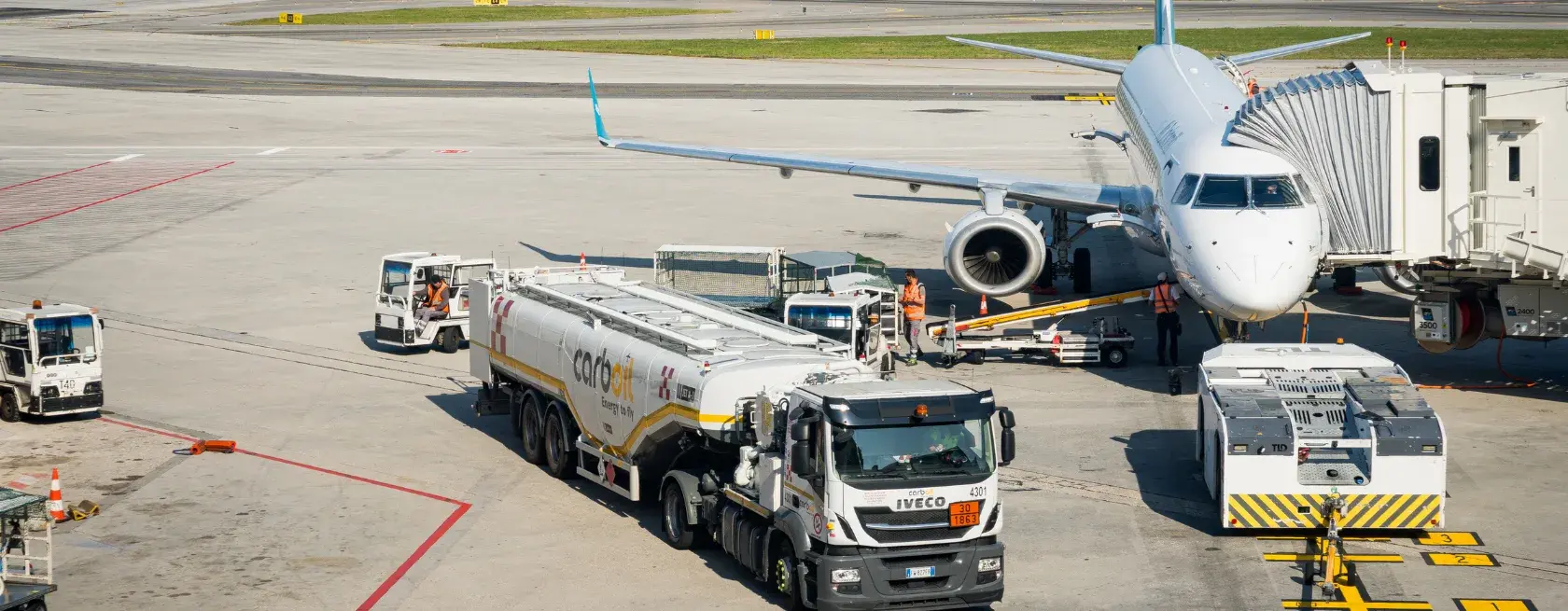
The root cause of this widespread disruption is a severe jet fuel shortage linked to the ongoing US-Israeli conflict with Iran. Middle Eastern refineries, which supply approximately 75% of Europe's jet fuel, have seen output fall to near zero. As a result, wholesale jet fuel prices have more than doubled in a matter of weeks.
The International Energy Agency has described the situation as the biggest energy security threat in modern history, warning that Europe could face genuine fuel shortages heading into the peak summer season, when demand typically rises by around 40%.
Other carriers are also feeling the pressure. KLM has cut 160 intra-European flights, Scandinavian Airlines has cancelled 1,000 April services, and easyJet reported an additional fuel cost in March alone, with higher summer fares now expected across the board.
If you have an existing booking to a Gulf destination or a connecting flight through a Middle Eastern hub, it is important to check your booking status directly with your airline. Passengers on affected British Airways routes are being offered rebooking or refund options. With fewer seats available across European networks through the summer, travellers are advised to review their plans and explore alternatives sooner rather than later.
At Crystal Travel, our team is monitoring all developments closely. Whether you need to rebook, reroute, or explore new destinations entirely, we are here to help you find the best available options for your summer travel.
Verified by Our Travel Operations Expert
 29 Jul, 2026
Jet2 Summer 2027: New Routes from Bournemouth, Stansted and Jersey
29 Jul, 2026
Jet2 Summer 2027: New Routes from Bournemouth, Stansted and Jersey
 29 Jul, 2026
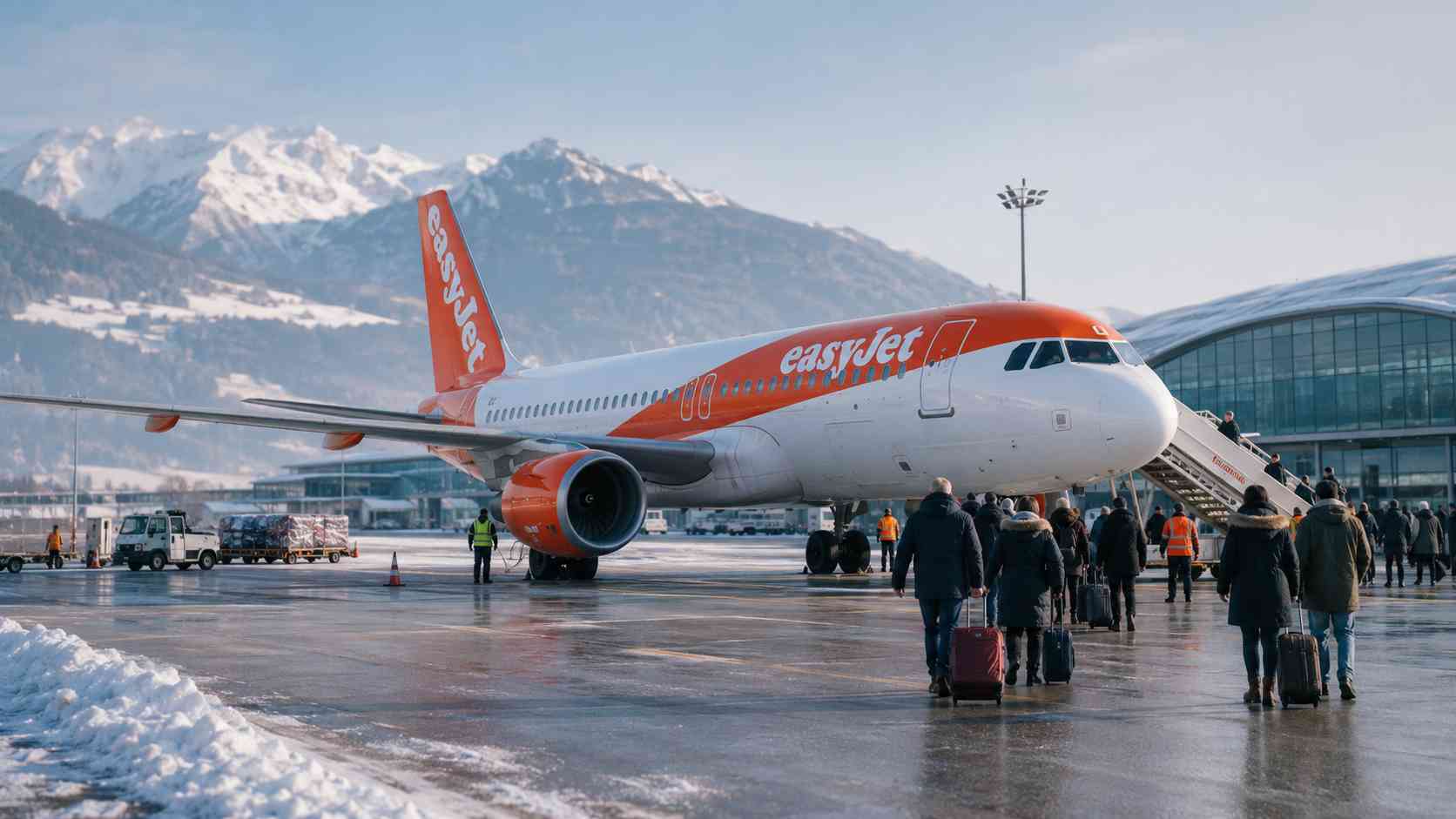
EasyJet Launches New UK Winter Routes for 2026/27
29 Jul, 2026
EasyJet Launches New UK Winter Routes for 2026/27
 29 Jul, 2026
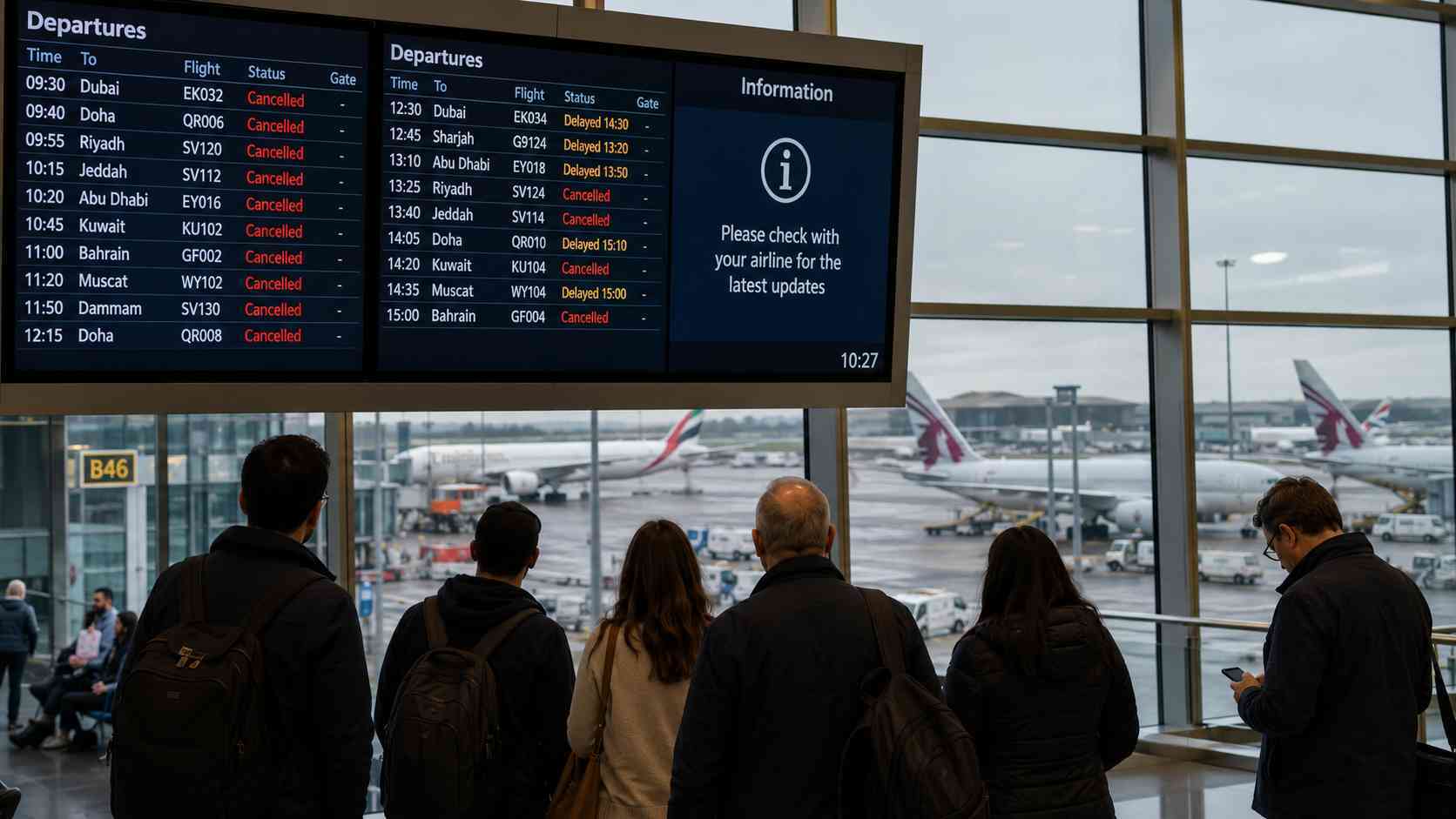
UK Saudi Arabia Travel Advice & Gulf Flight Suspensions 2026
29 Jul, 2026
UK Saudi Arabia Travel Advice & Gulf Flight Suspensions 2026
 29 Jul, 2026
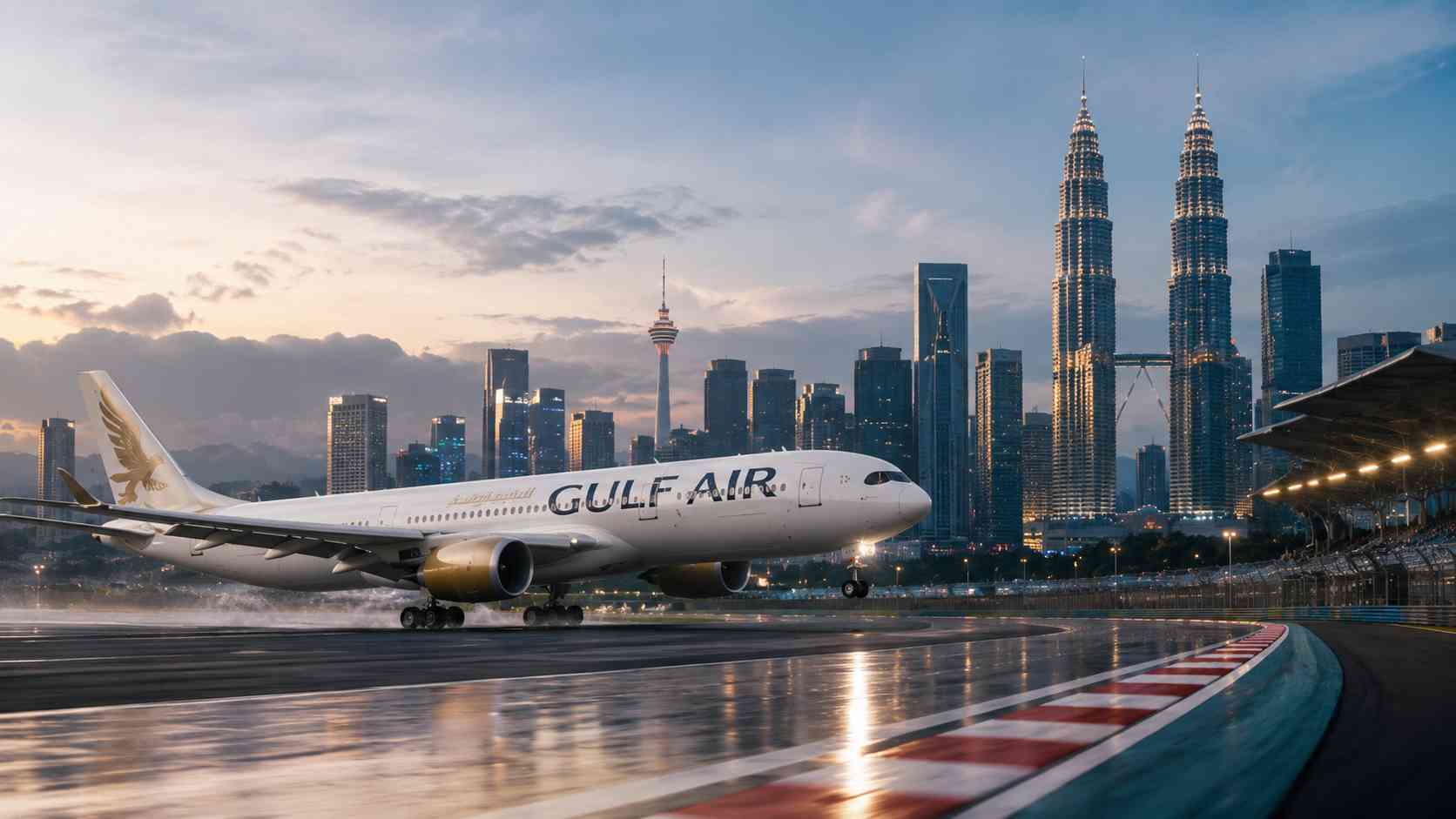
Gulf Air Bahrain to Kuala Lumpur Flights for F1 2026
29 Jul, 2026
Gulf Air Bahrain to Kuala Lumpur Flights for F1 2026
 29 Jul, 2026
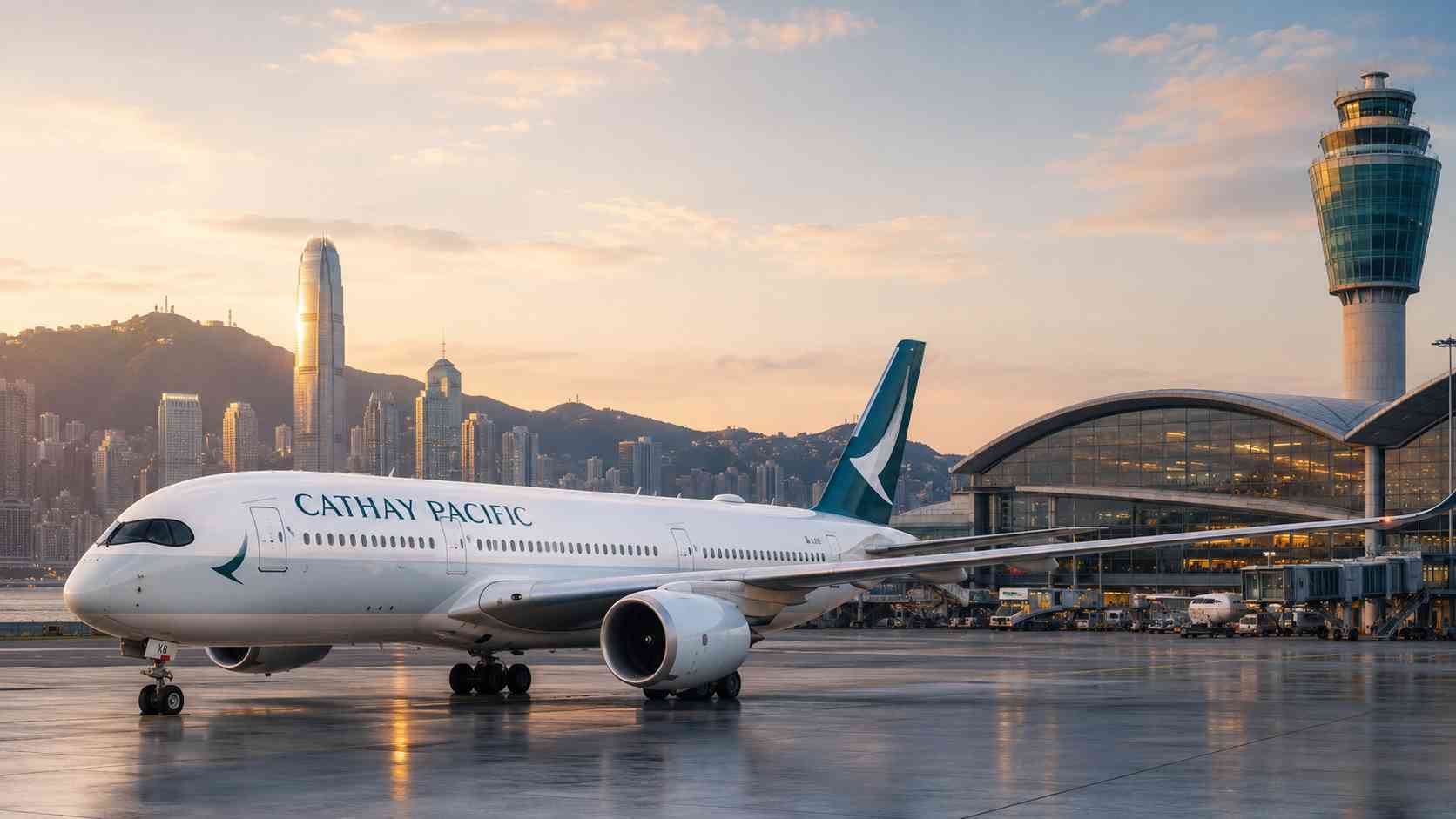
Cathay Pacific Expands A350 Network from Hong Kong in 2026
29 Jul, 2026
Cathay Pacific Expands A350 Network from Hong Kong in 2026


Got Questions? Call us 24/7!
02030237773
Email for Us!
support@crystaltravel.co.uk
12 Stephen Mews, London W1T 1AH, United Kingdom.

Copyright © 2026 Moresand Ltd.(Reg No.02114691) T/A CrystalTravel registered in England and Wales.
Many of the flights and flight-inclusive holidays on this website are financially protected by the ATOL scheme. But ATOL protection does not apply to all holiday and travel services listed on this website. Please ask us to confirm what protection may apply to your booking. If you do not receive an ATOL Certificate then the booking will not be ATOL protected. If you do receive an ATOL Certificate but all the parts of your trip are not listed on it, those parts will not be ATOL protected. If you have booked a flight only where the ticket is not issued immediately, your flight will be protected under our ATOL. Please see our booking conditions for information, or for more information about financial protection and the ATOL Certificate go to ATOL Certificate