















Crystal Travel News | Thursday, 2 April 2026
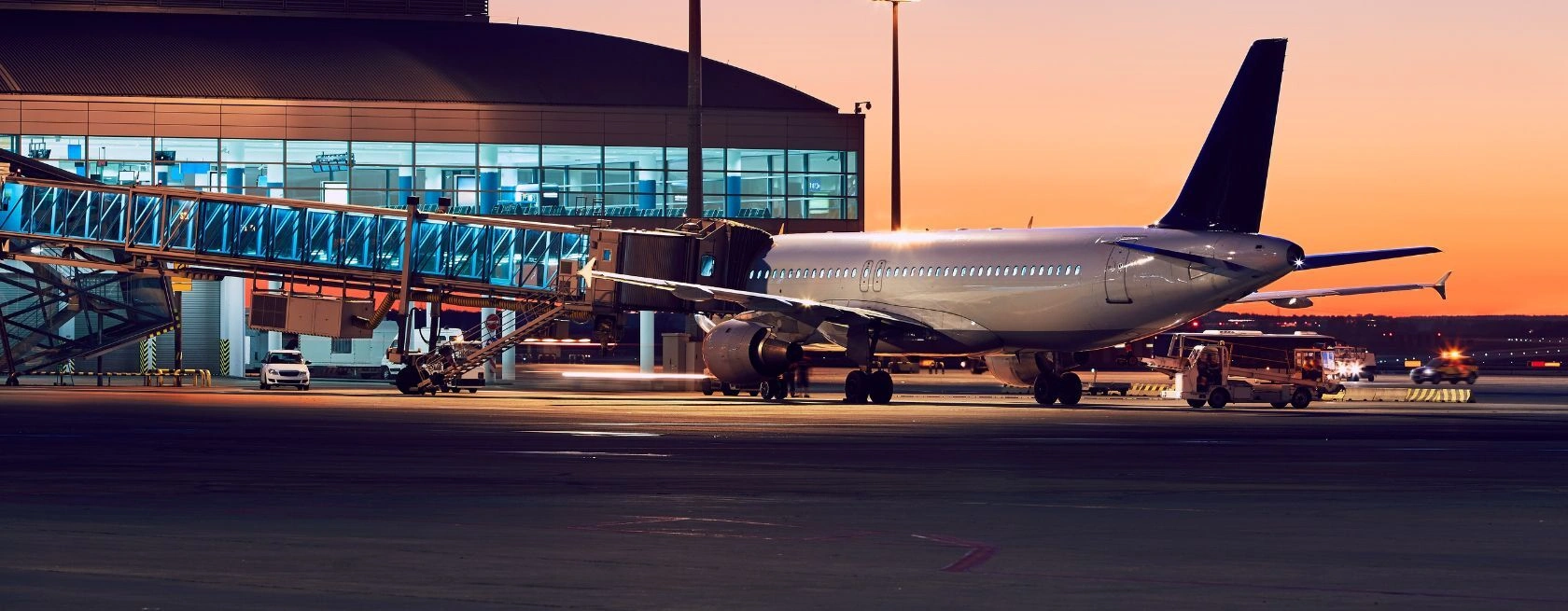
British travellers are being warned to brace themselves for a difficult few months ahead, as the first wave of UK flight cancellations has begun to materialise — a consequence of high jet fuel prices and a measurable decline in passenger demand triggered by deepening geopolitical instability in the Middle East.
The trouble began this week when Aurigny, the Channel Islands airline, confirmed it was cancelling a number of flights between mid-April and early June, blaming the global instability caused by the ongoing conflict in Iran. Flights from London City Airport have been cut, with passengers redirected to Gatwick, while Bristol and Exeter services have been merged, adding significant time to some journeys. The airline has also introduced a £2 per sector fuel surcharge on all new bookings, citing a 13 per cent drop in demand for May travel.
The root cause lies in the Middle East. Fighting in Iran has severely disrupted oil supplies flowing through the Strait of Hormuz, one of the world's most important energy shipping routes. The knock-on effect has pushed global jet fuel prices up by more than 30 per cent compared to this time last year — and with fuel accounting for roughly a quarter of every airline's operating costs, carriers are running out of ways to absorb the hit.
The disruption is not limited to the UK. Scandinavian Airlines has cancelled over 1,000 flights this April, Air New Zealand has cut more than 1,100 departures affecting around 44,000 passengers, and on a single day last week, approximately 7,000 flights were cancelled worldwide. Ticket prices across the board have already risen by between 15 and 20 per cent in recent weeks, and further increases are widely expected as summer approaches.
Ryanair has so far avoided cancellations, with its chief executive confirming the airline is well hedged on most of its fuel supply. However, he warned that if disruptions worsen during the summer peak, reduced capacity across European routes cannot be ruled out.
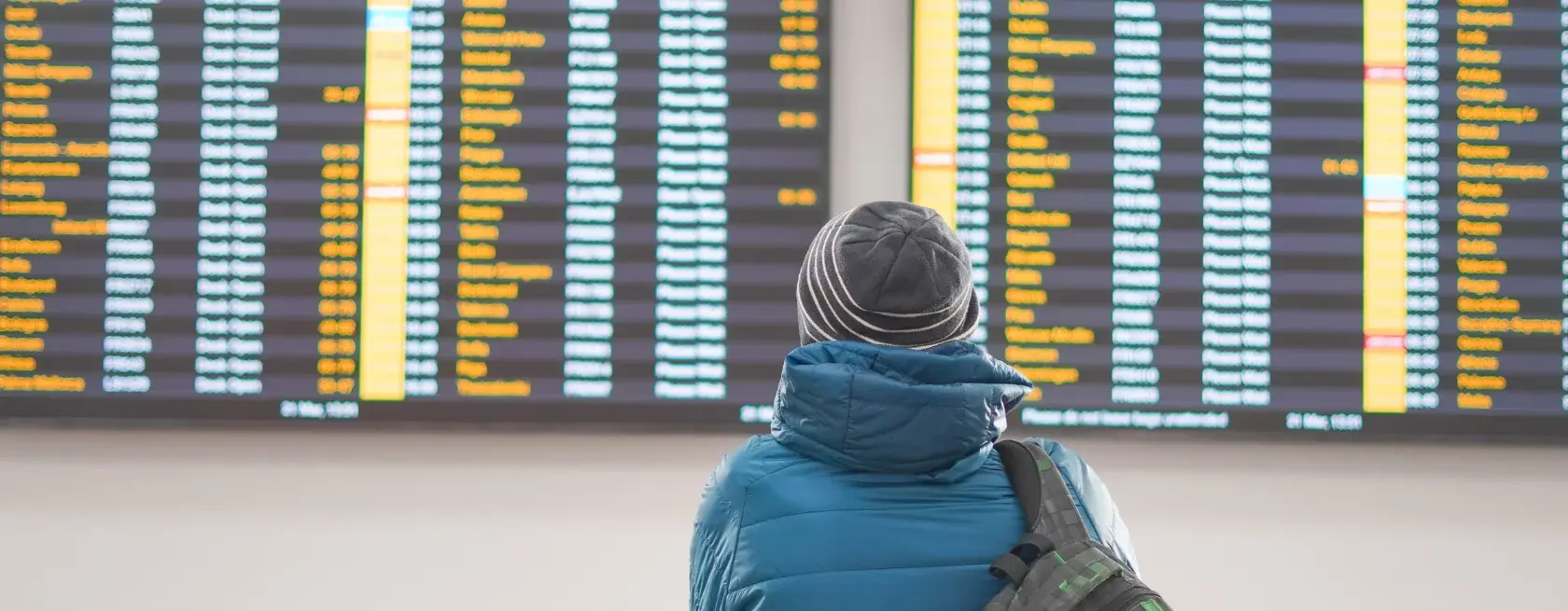
For anyone yet to book their summer holiday, the message from across the industry is clear — do not delay. As airlines' fuel hedging agreements expire and costs are passed more directly to passengers, fares are only expected to climb. Flexible, popular destinations such as Spain, Greece, and Portugal are already seeing price rises as demand shifts away from Middle Eastern routes.
Those with existing bookings should check their flight status regularly and ensure their travel insurance covers cancellations and delays. Anyone already affected by schedule changes is entitled to rebooking or a full refund from their carrier.
At Crystal Travel, our team is on hand to help customers rebook, find alternative routes, or simply talk through their options. If your plans have been disrupted — or if you are yet to book and want to secure the best available fare — get in touch with us today. We are here to make sure your holiday still happens.
With the travel landscape changing rapidly, seeking expert advice before making any booking decisions has never been more important for UK passengers. Crystal Travel is here to ensure that, despite the disruption, your travel plans remain in safe and experienced hands.
Verified by Our Travel Operations Expert



Got Questions? Call us 24/7!
02030237773
Email for Us!
support@crystaltravel.co.uk
12 Stephen Mews, London W1T 1AH, United Kingdom.

Copyright © 2026 Moresand Ltd.(Reg No.02114691) T/A CrystalTravel registered in England and Wales.
Many of the flights and flight-inclusive holidays on this website are financially protected by the ATOL scheme. But ATOL protection does not apply to all holiday and travel services listed on this website. Please ask us to confirm what protection may apply to your booking. If you do not receive an ATOL Certificate then the booking will not be ATOL protected. If you do receive an ATOL Certificate but all the parts of your trip are not listed on it, those parts will not be ATOL protected. If you have booked a flight only where the ticket is not issued immediately, your flight will be protected under our ATOL. Please see our booking conditions for information, or for more information about financial protection and the ATOL Certificate go to ATOL Certificate






 02030237773