
















Crystal Travel | Travel News | 9 April 2026
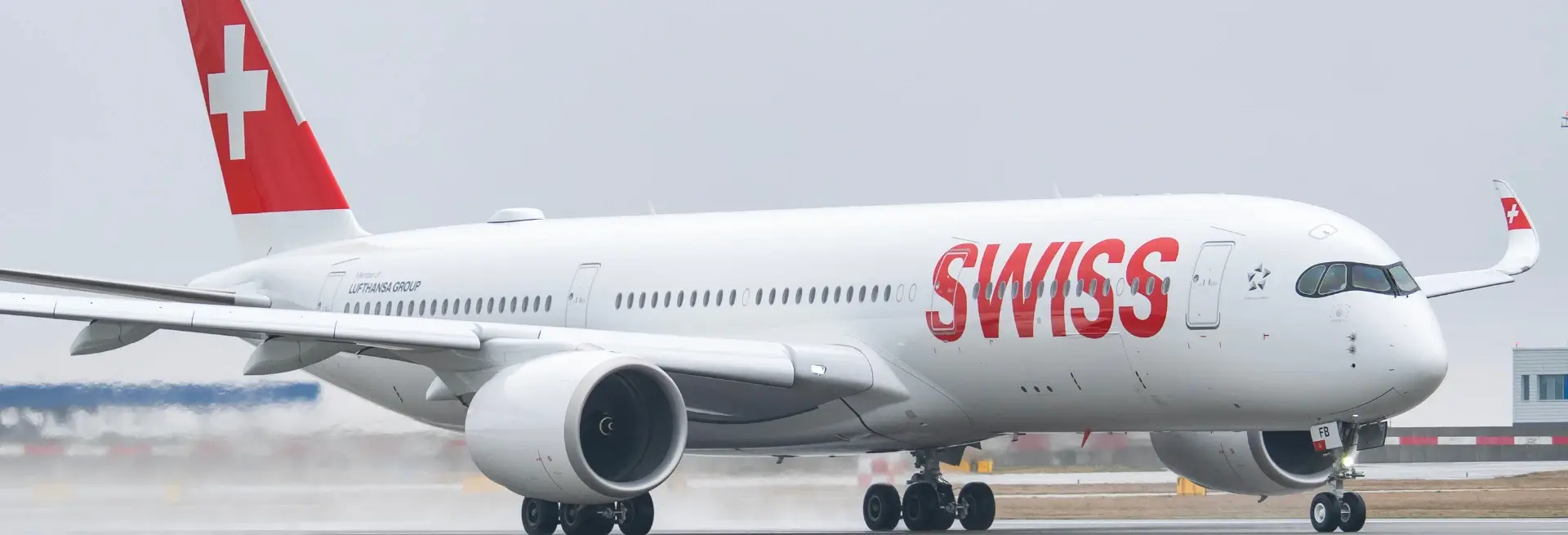
Mid-air emergency prompts rapid descent as SWISS flight from Heathrow lands safely, highlighting aviation safety in action.
Emergency Declared Shortly After Take-Off
A SWISS International Air Lines flight departing from London Heathrow was forced to declare a mid-air emergency shortly after take-off, prompting a rapid but controlled descent and a precautionary diversion. The incident occurred during the aircraft’s climb phase, when the flight crew identified an issue that required immediate attention. As a result, pilots issued a general emergency signal, commonly referred to as a “squawk 7700”, alerting air traffic control that priority handling was required.
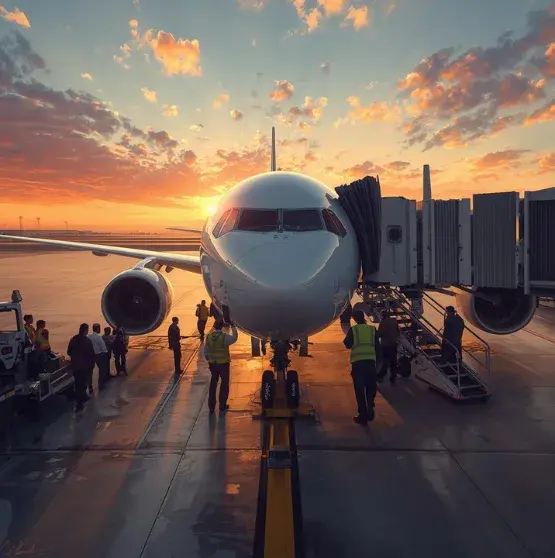
Following the emergency declaration, air traffic controllers cleared the surrounding airspace to allow the aircraft to descend safely and without delay. The descent, while quicker than usual, was conducted in a controlled and stable manner. Emergency services were placed on standby at the diversion airport as part of standard protocol, ensuring that all necessary support was available upon landing.
The aircraft landed safely, with all passengers and crew reported to be unharmed. While such incidents can understandably cause concern, aviation experts emphasise that emergency declarations are often precautionary and handled in line with strict safety procedures. Passengers were assisted on arrival, with airline staff arranging onward travel and providing support where required. Although some delays were experienced, the overall disruption was limited.
Possible Cause Under Review
At this stage, the exact cause of the emergency has not been officially confirmed. Early indications suggest that the incident may have been triggered by a technical alert or onboard system irregularity. Modern aircraft are equipped with advanced monitoring systems designed to detect even minor anomalies, allowing flight crews to respond quickly and appropriately. In many cases, a diversion or descent is carried out as a precaution rather than in response to immediate danger.
Minimal Impact on Heathrow Operations
Despite the seriousness of the situation, the wider impact on operations at Heathrow was minimal. Flights continued to operate largely as scheduled, with only minor adjustments made to accommodate the aircraft’s descent and diversion. Heathrow’s ability to manage such incidents efficiently reflects the high level of coordination between airport authorities, air traffic control, and emergency response teams.
What This Means for UK Travellers
For UK travellers, incidents like this highlight the strength of aviation safety systems and procedures. While the word “emergency” may sound alarming, it often reflects a cautious and controlled response designed to prioritise passenger safety. Travellers are advised to check flight updates before heading to the airport, allow extra time during busy periods, and stay informed through airline communications.
Know Your Passenger Rights
Passengers affected by delays or diversions may be entitled to assistance under UK passenger rights regulations. This can include refreshments, accommodation where necessary, and rebooking options depending on the circumstances. Having travel insurance and flexible booking arrangements can also help minimise inconvenience during unexpected disruptions.
Incidents involving emergency descents are rare, and when they do occur, they demonstrate the effectiveness of aviation safety protocols. The coordinated response from flight crews and ground teams ensures that situations are managed quickly and professionally. For travellers flying from Heathrow and across the UK, the reassurance remains clear: safety continues to be the top priority at every stage of the journey.
For UK travellers, this incident serves as a timely reminder that even in unexpected situations, the aviation industry’s robust safety measures and swift decision-making ensure that passenger well-being always comes first.
Verified by Our Travel Operations Expert



Got Questions? Call us 24/7!
02030237773
Email for Us!
support@crystaltravel.co.uk
12 Stephen Mews, London W1T 1AH, United Kingdom.

Copyright © 2026 Moresand Ltd.(Reg No.02114691) T/A CrystalTravel registered in England and Wales.
Many of the flights and flight-inclusive holidays on this website are financially protected by the ATOL scheme. But ATOL protection does not apply to all holiday and travel services listed on this website. Please ask us to confirm what protection may apply to your booking. If you do not receive an ATOL Certificate then the booking will not be ATOL protected. If you do receive an ATOL Certificate but all the parts of your trip are not listed on it, those parts will not be ATOL protected. If you have booked a flight only where the ticket is not issued immediately, your flight will be protected under our ATOL. Please see our booking conditions for information, or for more information about financial protection and the ATOL Certificate go to ATOL Certificate








 02030237773