

 12 Jun, 2026
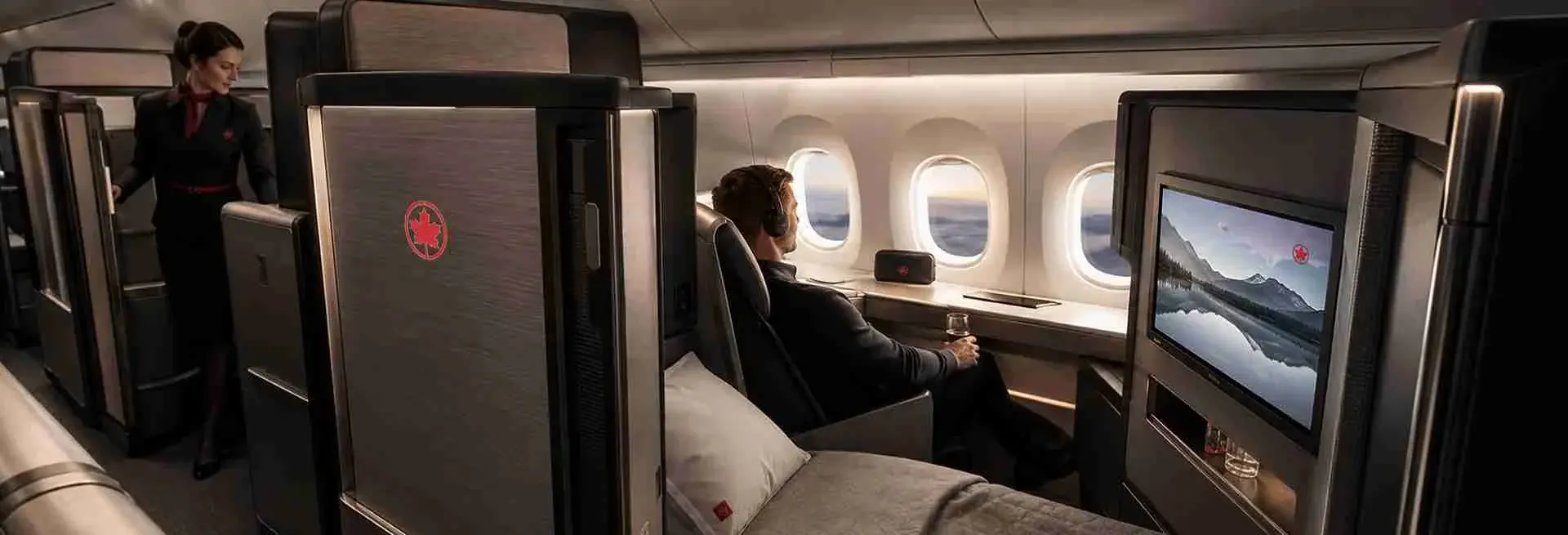
Air Canada Signature Plus Suites Redefine Business Class
12 Jun, 2026
Air Canada Signature Plus Suites Redefine Business Class
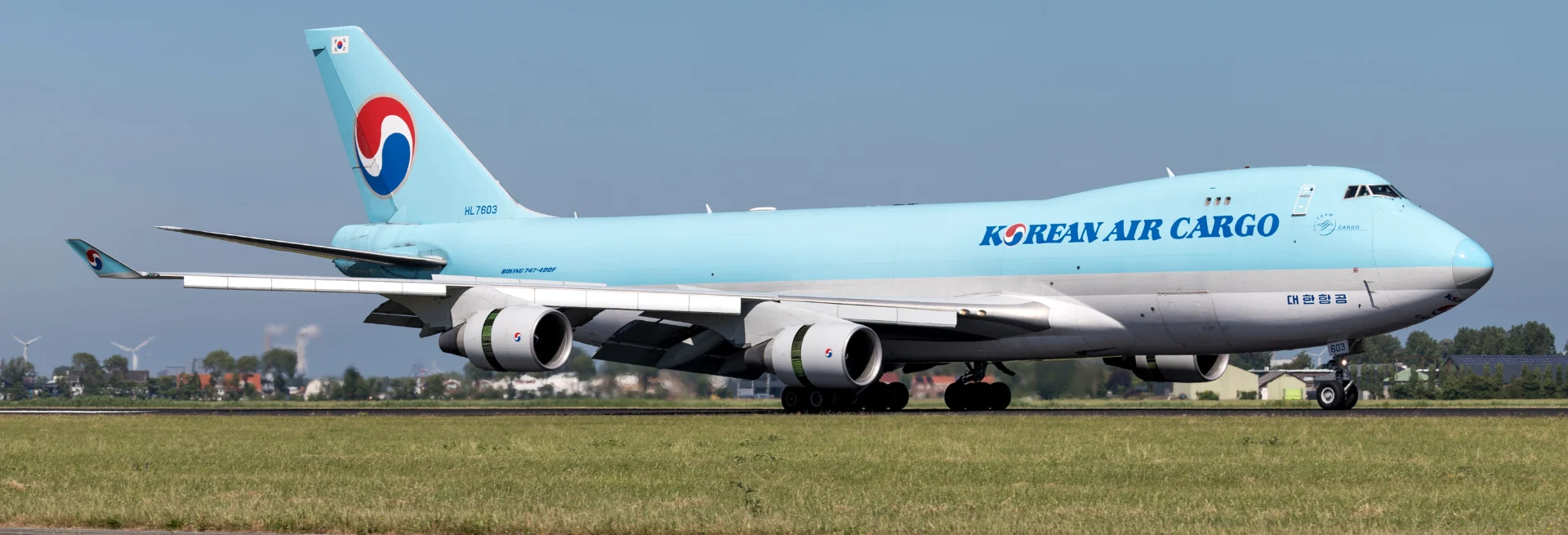
Aviation Alert: Korean Air Moves to Emergency Management Due to Fuel Cost Spike
31st March'26
South Korea's national carrier, Korean Air, has officially shifted into emergency management mode as runaway jet fuel prices, driven by the ongoing US-Israel war with Iran — begin to seriously threaten the airline's ability to meet its annual financial targets.
The move was confirmed through an internal memo on Tuesday, 31 March, in which Vice Chairman and CEO Woo Ki-hong told staff the airline would transition to an emergency operating system from April. He warned that if high oil prices persist, the impact on the company's business plan would be severe. The measures, he stressed, are not simply a one-off cost-cutting exercise, but part of a broader effort to strengthen the airline's structural foundation for the long term.
The numbers behind the decision are striking. Since the conflict in the Middle East erupted on 28 February, Brent crude oil has surged by more than 50%, climbing past $110 a barrel. Jet fuel prices followed closely, reaching nearly $200 a barrel by 20 March — more than double what they were just weeks earlier, according to figures from the International Air Transport Association.
Korean Air is not the only South Korean carrier feeling the pressure. Budget airline T'way Air was the first to enter emergency management mode on 16 March, with Asiana Airlines — which is currently being integrated into Korean Air under the same Hanjin Group umbrella — following suit on 25 March. Several low-cost carriers, including Jin Air and Air Busan, have also announced plans to reduce flights from April to limit losses.
For international travellers, the most immediate effect will be felt through higher fuel surcharges and a more unpredictable pricing environment, particularly on long-haul routes. Korean Air has confirmed that surcharges on flights departing South Korea in April will rise sharply. Crucially, the airline has not announced mass route cancellations for now — the emergency mode is being framed internally as a precautionary, structured response that allows rapid decision-making if conditions worsen further.
Please Note: If you are planning to travel to South Korea or have flights booked with Korean Air, we recommend reviewing your booking sooner rather than later. Fares and surcharges are expected to rise further in the weeks ahead. Our team is on hand to help you find the best available options and ensure your travel plans remain as cost-effective as possible. Get in touch with us today.
Verified by Our Travel Operations Expert

Latest Posts
12 Jun, 2026
Air Canada Signature Plus Suites Redefine Business Class
 12 Jun, 2026
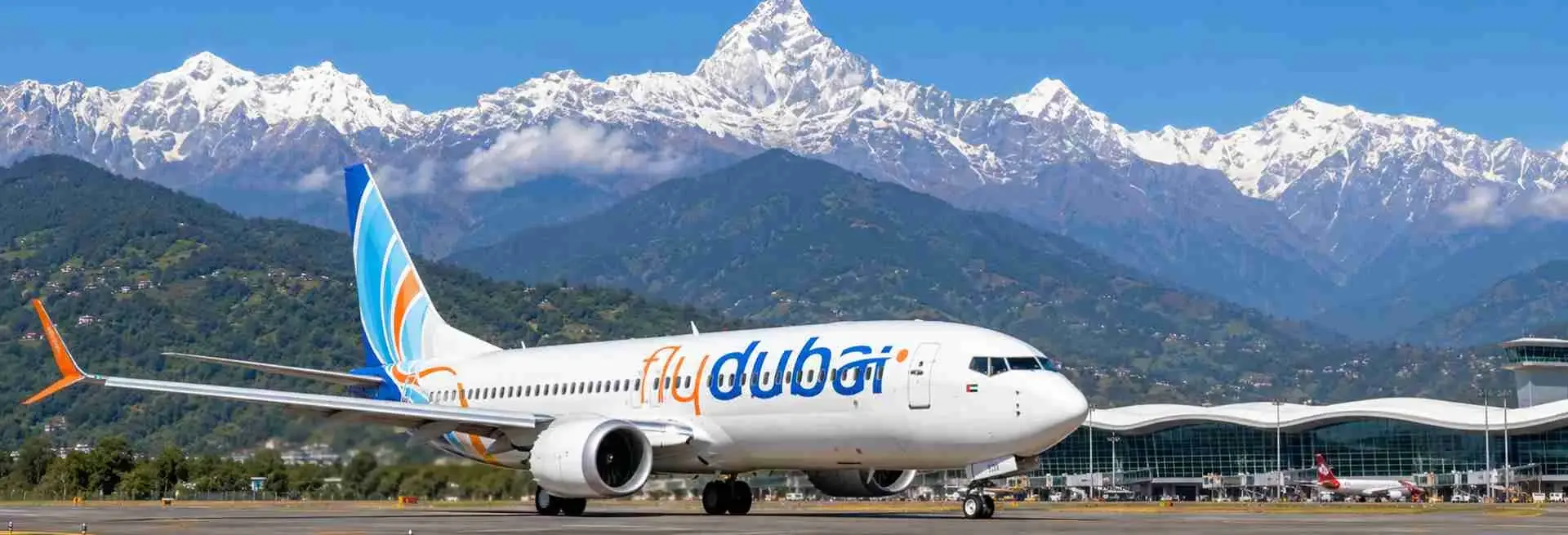
Flydubai Adds Daily Pokhara Flights from Dubai
12 Jun, 2026
Flydubai Adds Daily Pokhara Flights from Dubai
 12 Jun, 2026
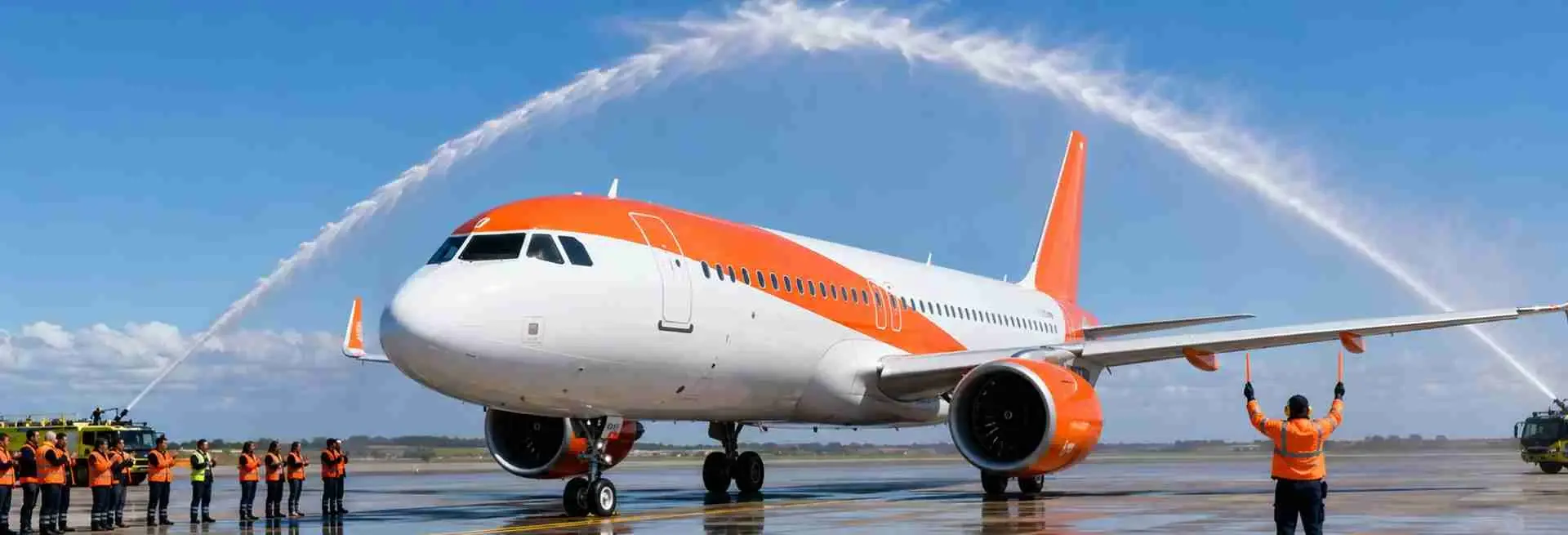
EasyJet Marks Major Airbus A320neo Fleet Milestone
12 Jun, 2026
EasyJet Marks Major Airbus A320neo Fleet Milestone
 12 Jun, 2026
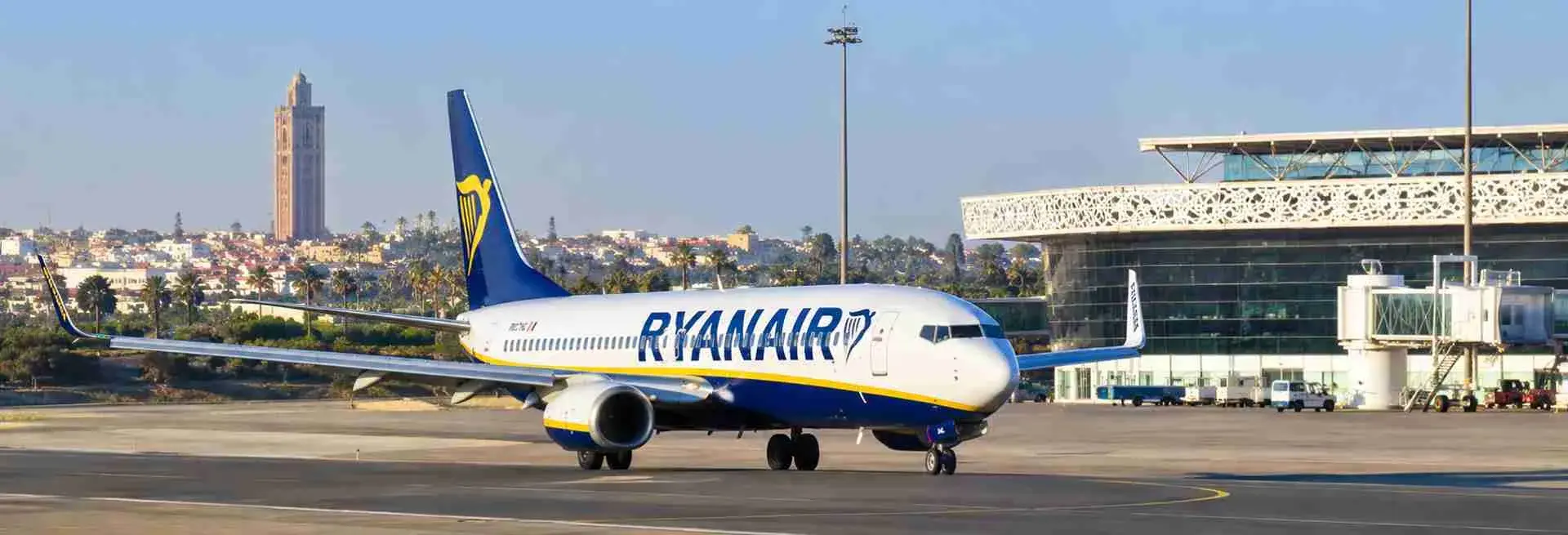
Ryanair Adds New Rabat Flights and More Summer Routes 2026
12 Jun, 2026
Ryanair Adds New Rabat Flights and More Summer Routes 2026
 12 Jun, 2026
Doncaster Sheffield Airport Reopening | DSA Flights Return
12 Jun, 2026
Doncaster Sheffield Airport Reopening | DSA Flights Return
Need help 

Got Questions? Call us 24/7!
02030237773
Email for Us!
support@crystaltravel.co.uk
12 Stephen Mews, London W1T 1AH, United Kingdom.
North America
Asia
Africa
Australia
London
Manchester
Birmingham
London Heathrow
Gatwick
North America
North American
Middle Eastern

Copyright © 2026 Moresand Ltd.(Reg No.02114691) T/A CrystalTravel registered in England and Wales.
Many of the flights and flight-inclusive holidays on this website are financially protected by the ATOL scheme. But ATOL protection does not apply to all holiday and travel services listed on this website. Please ask us to confirm what protection may apply to your booking. If you do not receive an ATOL Certificate then the booking will not be ATOL protected. If you do receive an ATOL Certificate but all the parts of your trip are not listed on it, those parts will not be ATOL protected. If you have booked a flight only where the ticket is not issued immediately, your flight will be protected under our ATOL. Please see our booking conditions for information, or for more information about financial protection and the ATOL Certificate go to ATOL Certificate





We Accept


