

















Crystal Travel | Travel News | April 2026
New EU border checks leave EasyJet passengers stranded in Milan as airport delays surge across Europe.
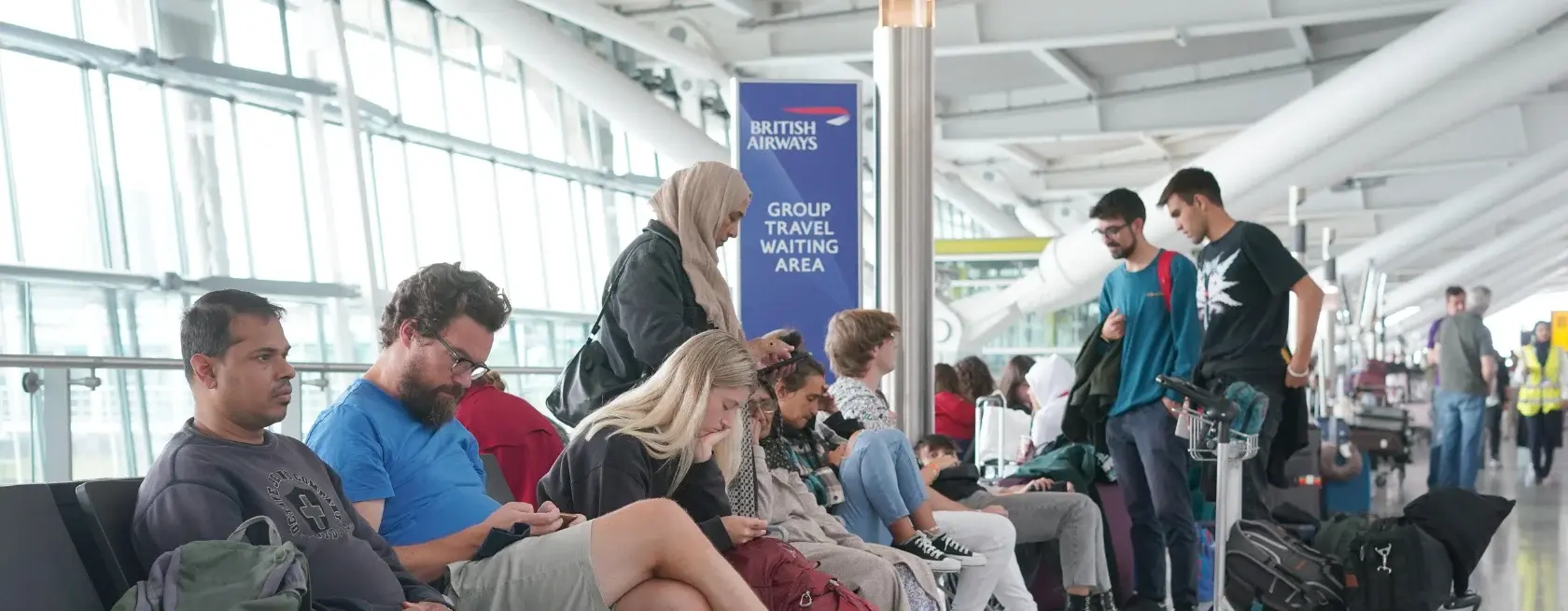
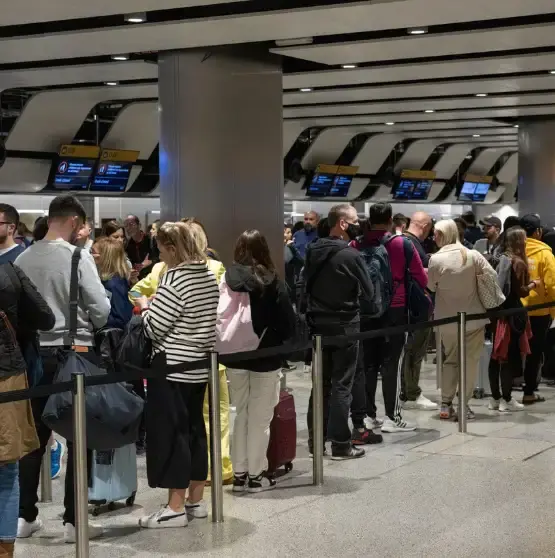
More than 100 British passengers were left stranded at Milan Linate Airport on Sunday, 12 April, after the European Union's newly launched Entry/Exit System (EES) caused queues of up to three hours at passport control, forcing an EasyJet flight to Manchester to depart with just 34 of its 156 booked passengers on board.
Travellers described scenes of real distress inside the terminal, with passengers reportedly feeling unwell after waiting for hours in sweltering conditions. Many of those stranded faced significant out-of-pocket costs arranging alternative flights home, with some forced to spend considerably more than expected on last-minute rebooking. Several passengers who had arrived at the airport three or more hours ahead of departure still could not clear passport control in time.
EasyJet held the aircraft at the gate for 52 minutes before aviation safety rules on crew operating hours forced it to depart. The airline called the situation "unacceptable" and said it was "outside of our control," confirming it had offered free rebooking transfers to affected passengers where possible.
The EES became fully operational across all Schengen Area external borders on 10 April 2026. It replaces the traditional manual passport stamp for non-EU visitors — including British nationals since Brexit — and requires travellers to submit fingerprints and a facial photograph upon entering the Schengen zone. That biometric data is stored for three years and checked again on departure.
For first-time registrants, the process takes considerably longer than a standard passport check. According to the European Commission and airport industry groups, border control processing times have increased by up to 70 per cent since EES went live. At busy airports, that translates to queues stretching two to three hours during peak travel periods. Milan Linate was not alone — similar disruption was reported at Lisbon and Paris Charles de Gaulle in the same period.
The EES applies to all British passport holders travelling to Schengen countries, which include France, Spain, Italy, Greece, Germany, and the Netherlands, among others. It does not apply to travel to the Republic of Ireland or Cyprus, which are outside the Schengen Area.
Industry bodies ACI Europe and Airlines for Europe (A4E) have warned that the situation could worsen during the peak summer months, with delays potentially reaching four hours at the busiest airports if staffing and equipment issues are not urgently addressed. Both organisations have called for greater operational flexibility from border authorities during the transition period.
Airlines, including EasyJet and Jet2, are now urging passengers to arrive earlier than usual, proceed through security immediately after bag drop, and head straight to the boarding gate as soon as it is announced. Waiting for a final boarding call is no longer a safe option at many European airports.
If you have a European holiday booked this spring or summer, here is what we recommend:
Allow at least three to four hours at the airport before departure. Download the EU's official Travel to Europe app and pre-register your biometric data up to 72 hours in advance. Ensure your passport was issued within the last ten years and remains valid for at least three months beyond your return date. Proceed through bag drop, security, and passport control without delay before doing anything else in the terminal.
Most airport upgrades will not be in place before the peak summer season, so delays are likely to continue in the months ahead. At Crystal Travel, we are monitoring the situation closely. If you have any questions about how the new EES rules affect your trip, our team is here to help.
Europe remains one of the world's most rewarding travel destinations — and with the right preparation, there is no reason your trip should be anything other than seamless.
Verified by Our Travel Operations Expert



Got Questions? Call us 24/7!
02030237773
Email for Us!
support@crystaltravel.co.uk
12 Stephen Mews, London W1T 1AH, United Kingdom.

Copyright © 2026 Moresand Ltd.(Reg No.02114691) T/A CrystalTravel registered in England and Wales.
Many of the flights and flight-inclusive holidays on this website are financially protected by the ATOL scheme. But ATOL protection does not apply to all holiday and travel services listed on this website. Please ask us to confirm what protection may apply to your booking. If you do not receive an ATOL Certificate then the booking will not be ATOL protected. If you do receive an ATOL Certificate but all the parts of your trip are not listed on it, those parts will not be ATOL protected. If you have booked a flight only where the ticket is not issued immediately, your flight will be protected under our ATOL. Please see our booking conditions for information, or for more information about financial protection and the ATOL Certificate go to ATOL Certificate







 02030237773