

 29 Jul, 2026
Jet2 Summer 2027: New Routes from Bournemouth, Stansted and Jersey
29 Jul, 2026
Jet2 Summer 2027: New Routes from Bournemouth, Stansted and Jersey

Over 52,000 flights to and from the Middle East have been cancelled since US-Israel strikes on Iran began on 28 February. Jet fuel surged from $2.11 per gallon to $3.40 by mid-March, pushing airfares to record levels. This is the biggest aviation disruption since 9/11 in terms of geographic reach.
The five-day pause in US strikes on Iranian energy infrastructure, announced on 23 March, has not led to de-escalation. Iran formally rejected the US 15-point ceasefire proposal on 25 March and issued its own five-point counterproposal including reparations and continued Iranian control of the Strait of Hormuz. Both conditions are non-starters for Washington. On 26 March, Israel launched a fresh wave of strikes on Isfahan targeting military infrastructure, and announced it had killed the head of Iran’s IRGC Navy, a key figure behind the near-total blockade of the Strait of Hormuz. Iran continued firing missiles at Israel and Gulf states. The war is escalating, not winding down.
Roughly 2,000 vessels and 20,000 seafarers are now stranded in the Strait of Hormuz. Iran is charging fees for safe passage through the waterway, which the Gulf Cooperation Council has called a violation of international law. The UAE has intercepted more than 300 ballistic missiles and 1,600 drones since the conflict began. Dubai’s airport has taken four drone-related hits. The UAE briefly shut its entire airspace overnight on 16-17 March. A drone struck a fuel tank at Kuwait International Airport on 25 March, sparking a fire. Nothing is stable right now.
Emirates
Operating at roughly 70% of pre-war capacity on a reduced schedule. Some flights now routing via Dubai World Central (DWC) and Abu Dhabi instead of DXB, and using technical stops at Medina or Jeddah. Transit times through Dubai are longer due to rerouting. Always check flight status before heading to the airport.
Qatar Airways
At roughly 20% of pre-war capacity, operating about 40 departures a day from Doha. Has sent aircraft to storage in Teruel, Spain, signalling it doesn’t expect a quick rebound. Flexible rebooking/refund policy extended through 15 June 2026. Full restart target remains 28 March but depends on the EASA advisory. Passengers need a confirmed ticket before going to the airport.
Other Gulf Carriers
Etihad: At roughly 50% capacity from Abu Dhabi. Gradually rebuilding schedule.
flydubai: Reduced schedule from Dubai. Updating as restrictions ease.
Air Arabia: Limited flights from Sharjah, Abu Dhabi, Ras Al Khaimah to 40+ destinations.
Gulf Air: 96 cancellations at Bahrain on 26 March alone. Temporary operations from Dammam to Frankfurt, London, Mumbai, Bangkok until 28 March.
Kuwait Airways: Resuming limited flights via Dammam from today (26 March).
El Al: Limited schedule. Repatriating via Athens and European hubs.
Saudia/Turkish: Both restarting some regional routes.
Israel, Palestine, Iran, Iraq, Syria, Lebanon, Yemen: Against all travel.
Bahrain, UAE, Qatar, Kuwait, Jordan: Against all but essential travel. Register your presence at gov.uk for direct FCDO updates.
Egypt: Against all travel to North Sinai/Israel border areas. Tourist areas like Sharm el-Sheikh not covered.
Cyprus: No general warning. RAF Akrotiri experienced suspected drone impact.
Travelling against FCDO advice invalidates most standard travel insurance. UK tour operators have cancelled package holidays to affected destinations through at least 31 March, with automatic refunds being processed.
Airlines are routing traffic through two corridors: north via Turkey and the Caucasus, or south via Egypt and Oman. Both add significant time and fuel cost. Lufthansa Group is adding extra Munich-Singapore, Frankfurt-Cape Town and Vienna-Bangkok frequencies. Air France has boosted services to Bangkok, Singapore, Delhi, Mumbai and Nairobi.
Oil prices remain elevated with about 30% gains since the start of 2026. The Strait of Hormuz remains effectively blocked, with Iran charging passage fees. Japan is releasing 30 days of oil reserves. The Philippines has declared a national emergency over energy supply. Industry forecasts project Middle East tourism arrivals falling 27% this year, with $56 billion in lost visitor spending.
MSC Cruises cancelled all remaining March sailings from Dubai. With the Strait of Hormuz effectively blocked and Iran threatening full closure, maritime operations remain high-risk. Cruise passengers should contact their operator directly for refund options.
Check your flight status
directly with your airline before travelling to the airport. Conditions are changing by the hour.
Don’t go to the airport unless confirmed
Airlines across the region specifically ask passengers to stay away until they have a confirmed departure.
Rebooking and refunds
Most airlines offer flexible rebooking or full refunds. Use online forms where possible. Under UK Package Travel Regulations, you’re entitled to a full refund if your operator can’t offer a suitable alternative.
Travel insurance
Policies bought after 28 February are unlikely to cover this conflict. Travelling against FCDO advice usually invalidates cover. CFAR policies offer broader protection.
Track flights live
using Flightradar24 (flightradar24.com).
Register with the FCDO
if you’re in Bahrain, Israel, Kuwait, Lebanon, Palestine, Qatar or UAE
Check your visa status
if stranded. Contact the nearest British consulate
| Organisation | Contact Details |
|---|---|
| Crystal Travel | 02030237773 | support@crystaltravel.co.uk |
| British Airways | ba.com | 0344 493 0787 |
| Virgin Atlantic | virginatlantic.com | 0344 874 7747 |
| Emirates | emirates.com |
| Qatar Airways | qatarairways.com |
| Etihad Airways | etihad.com |
| FCDO Travel Advice | gov.uk/foreign-travel-advice |
| FCDO Presence Registration | gov.uk/government/news/foreign-office-travel-advice-updates |
| Flightradar24 | flightradar24.com |
| UK Civil Aviation Authority | caa.co.uk (passenger rights) |
| ABTA | abta.com (package holiday rights) |
Disclaimer: This page is for informational purposes only. The conflict is ongoing and conditions can shift within hours. Always verify with your airline before making decisions. Information accurate as of 26 March 2026.
Verified by Our Travel Operations Expert
 29 Jul, 2026
Jet2 Summer 2027: New Routes from Bournemouth, Stansted and Jersey
29 Jul, 2026
Jet2 Summer 2027: New Routes from Bournemouth, Stansted and Jersey
 29 Jul, 2026
EasyJet Launches New UK Winter Routes for 2026/27
29 Jul, 2026
EasyJet Launches New UK Winter Routes for 2026/27
 29 Jul, 2026
UK Saudi Arabia Travel Advice & Gulf Flight Suspensions 2026
29 Jul, 2026
UK Saudi Arabia Travel Advice & Gulf Flight Suspensions 2026
 29 Jul, 2026
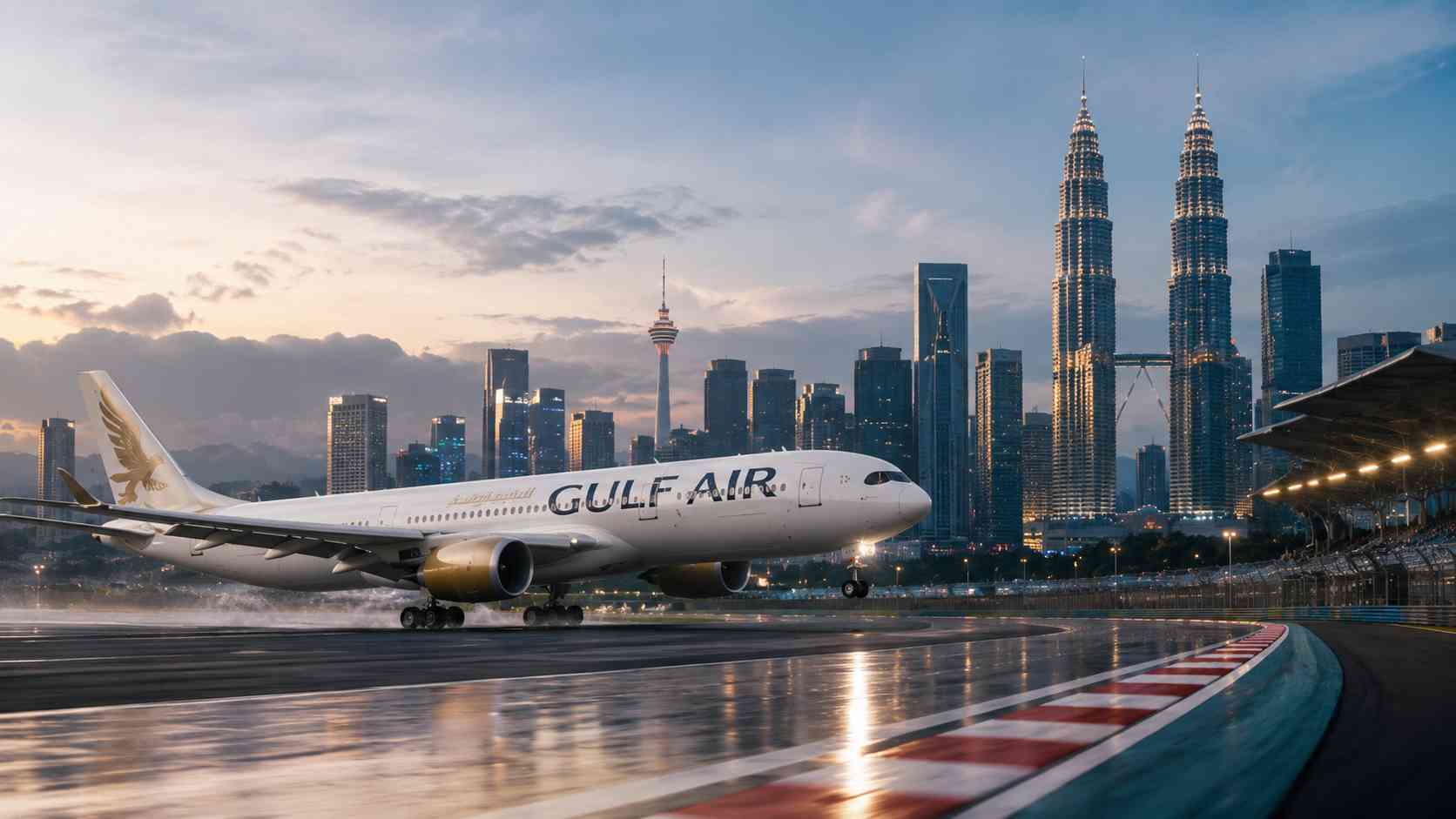
Gulf Air Bahrain to Kuala Lumpur Flights for F1 2026
29 Jul, 2026
Gulf Air Bahrain to Kuala Lumpur Flights for F1 2026
 29 Jul, 2026
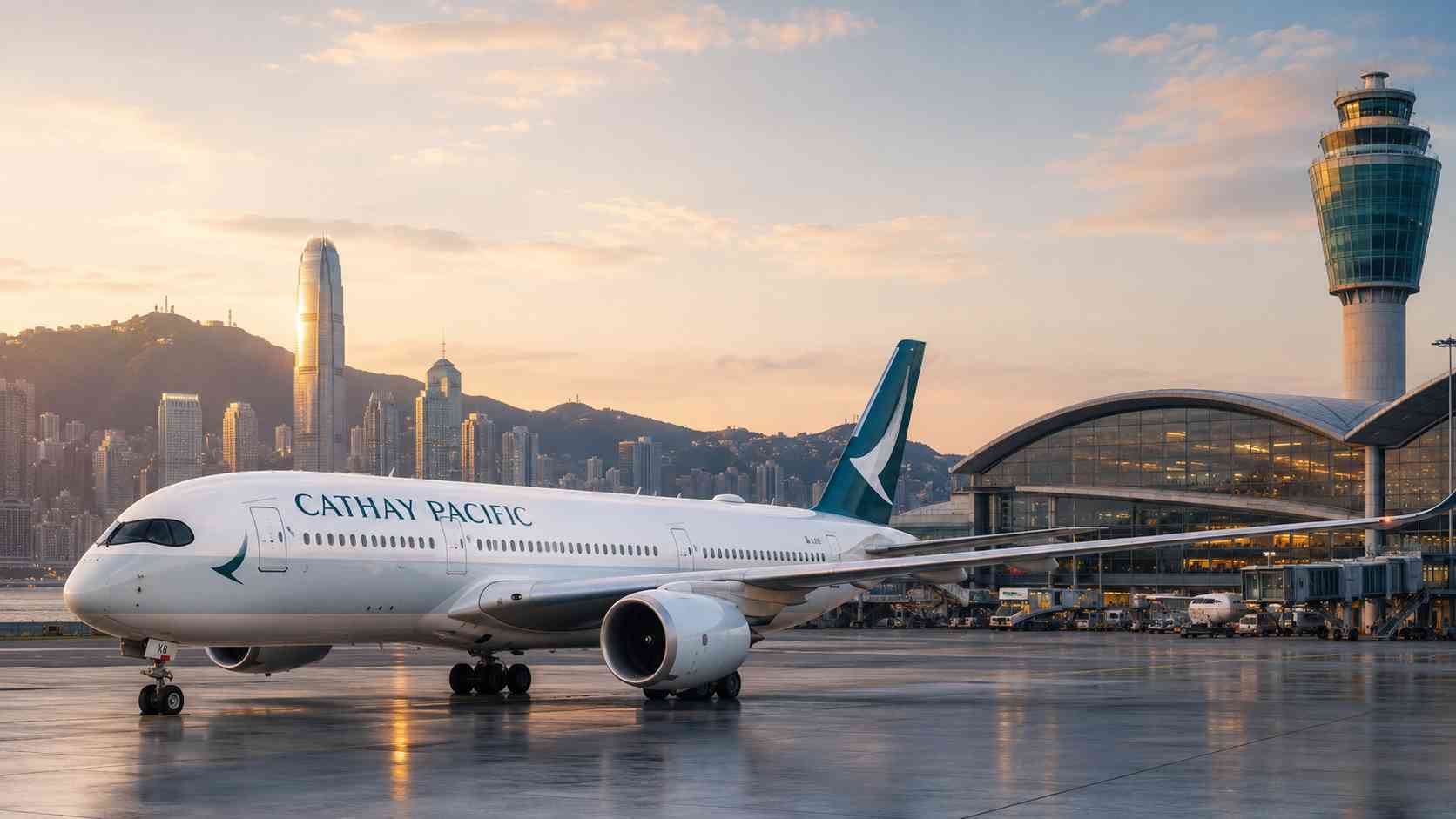
Cathay Pacific Expands A350 Network from Hong Kong in 2026
29 Jul, 2026
Cathay Pacific Expands A350 Network from Hong Kong in 2026


Got Questions? Call us 24/7!
02030237773
Email for Us!
support@crystaltravel.co.uk
12 Stephen Mews, London W1T 1AH, United Kingdom.

Copyright © 2026 Moresand Ltd.(Reg No.02114691) T/A CrystalTravel registered in England and Wales.
Many of the flights and flight-inclusive holidays on this website are financially protected by the ATOL scheme. But ATOL protection does not apply to all holiday and travel services listed on this website. Please ask us to confirm what protection may apply to your booking. If you do not receive an ATOL Certificate then the booking will not be ATOL protected. If you do receive an ATOL Certificate but all the parts of your trip are not listed on it, those parts will not be ATOL protected. If you have booked a flight only where the ticket is not issued immediately, your flight will be protected under our ATOL. Please see our booking conditions for information, or for more information about financial protection and the ATOL Certificate go to ATOL Certificate