
 22 Jul, 2026
Things to Do in The Gambia: Beaches, Wildlife and More
22 Jul, 2026
Things to Do in The Gambia: Beaches, Wildlife and More
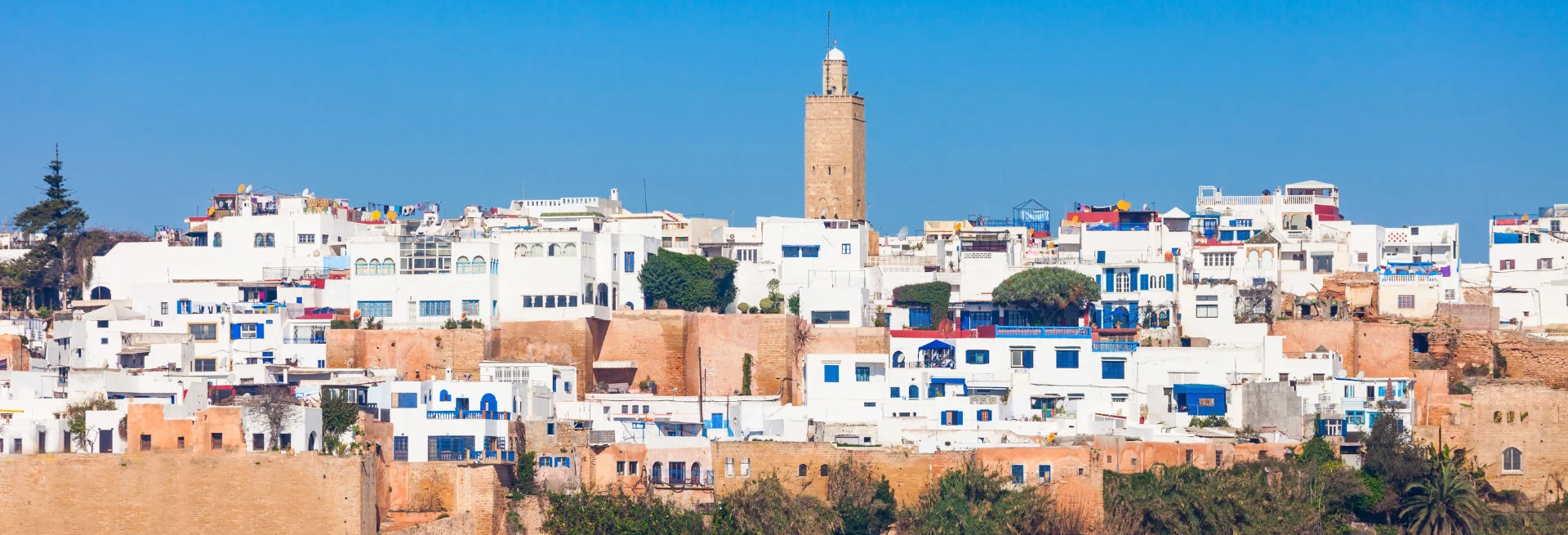
If you are planning a holiday to Morocco and looking beyond the usual tourist trail, Rabat deserves a spot on your itinerary. While Marrakech often steals the limelight, Morocco's capital city offers a quieter, more relaxed, and equally rewarding experience. From ancient ruins and royal palaces to sandy beaches and lively cafés, there is no shortage of things to do in Rabat for every kind of traveller.
At Crystal Travel, we have helped thousands of UK holidaymakers explore the very best of Morocco. In this guide, we cover all the top Rabat Morocco attractions, the finest Rabat places to visit, and plenty of insider tips to help you plan an unforgettable trip to this often-overlooked gem.
Rabat sits on the Atlantic coast of Morocco, where the Bou Regreg River meets the sea. As the country's political capital, it feels more polished and relaxed compared to the bustling energy of Marrakech or Fes. The city is cleaner, less crowded, and surprisingly easy to explore on foot, making it a brilliant choice for travellers who prefer a more comfortable and unhurried pace.
What makes Rabat truly special is the way it balances old and new. You can wander through a 12th-century kasbah in the morning, then stop for a coffee at a modern European-style café just a few minutes away. It is a city where history and everyday life exist side by side in the most natural and beautiful way.
Rabat is also well connected from the UK, with direct and one-stop flights available from London, Manchester, and Birmingham making it an accessible and affordable Morocco holiday destination.
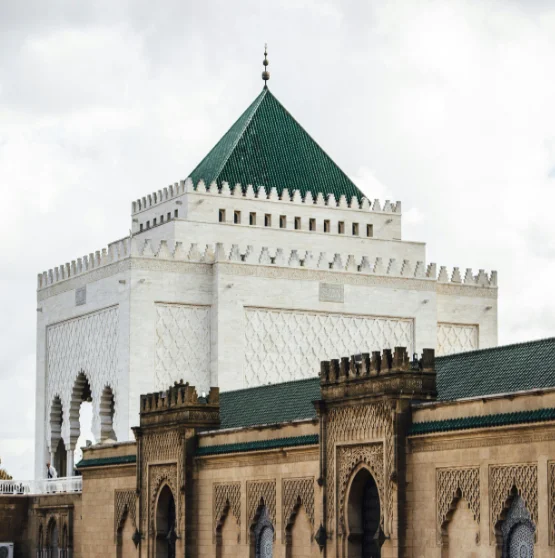
No list of Rabat Morocco attractions would be complete without the Hassan Tower. This unfinished minaret is one of the most iconic landmarks in the whole of Morocco. Construction began in 1195 under Sultan Yacoub al-Mansour, but the project was never finished. Today, the tower stands at around 44 metres tall, surrounded by the atmospheric remains of what was once planned to be the world's largest mosque.
Right beside it is the Mausoleum of Mohammed V, the resting place of Morocco's much-loved King Mohammed V and his two sons. The mausoleum is a masterpiece of traditional Moroccan craftsmanship, with hand-carved plasterwork, cedar wood ceilings, and stunning marble floors. Entry is free, and the site welcomes non-Muslim visitors, so it is well worth a leisurely visit.
Travel Tip: Head there early in the morning to enjoy the site in peace and get the best photographs before the day-trippers arrive.
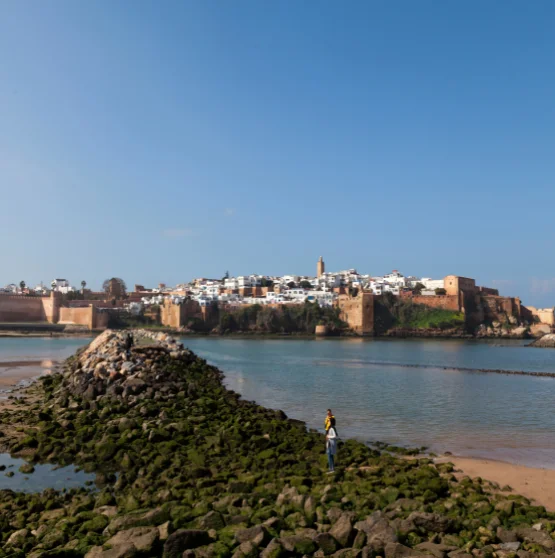
One of the most charming Rabat places to visit is the Kasbah of the Udayas, a fortified neighbourhood perched at the mouth of the Bou Regreg River. This ancient kasbah dates back to the 12th century and has since been recognised as a UNESCO World Heritage Site.
Wander through its narrow blue-and-white painted streets, peek into traditional Andalusian gardens, and take in the sweeping views over the Atlantic Ocean and the city of Salé on the opposite bank. Inside the kasbah, you will find a lovely café, the beautiful Andalusian Garden, and a small museum showcasing traditional Moroccan jewellery and crafts.
The kasbah is one of the most photogenic spots in Rabat and an absolute must for anyone exploring things to see in Rabat Morocco. It has a wonderfully unhurried atmosphere that visitors consistently fall in love with
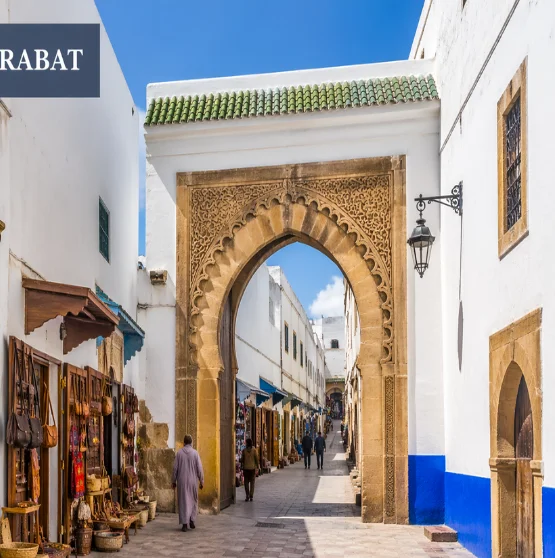
Unlike the intense and labyrinthine medinas of Marrakech or Fes, the Medina of Rabat is relaxed, walkable, and perfect for a leisurely afternoon stroll. It is also a UNESCO World Heritage Site and provides an authentic window into everyday Moroccan life without the tourist pressure you might encounter elsewhere.
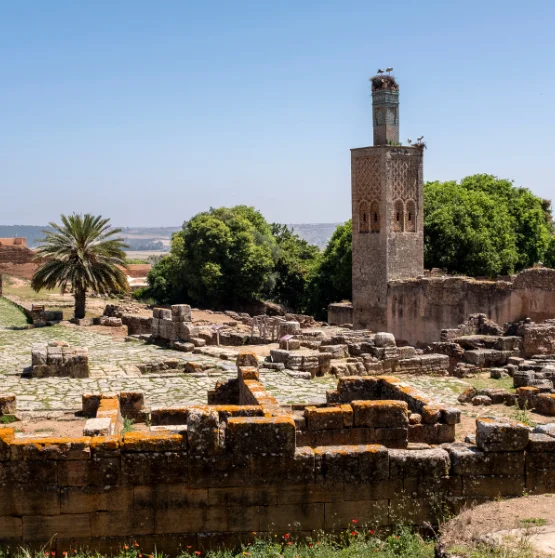
One of the most atmospheric attractions in Rabat is the Chellah Necropolis, a walled archaeological complex on the southern edge of the city. The site contains the ruins of the ancient Roman town of Sala Colonia, above which stand medieval Islamic monuments, royal mausoleums, and the remains of a mosque.
What makes Chellah truly magical is the way nature has gradually reclaimed the ruins. White storks nest on top of ancient minarets, wild cats wander freely through the overgrown gardens, and orange trees, roses, and bougainvillaea fill the air with colour and fragrance. It feels like stepping into a forgotten world, and it is one of the most memorable things to see in Rabat, Morocco, for travellers who love history with a touch of romance.
Entry Fee: Approximately 70 MAD (around £5–£6) Opening Hours: Daily, 8:30 AM – 5:30 PM
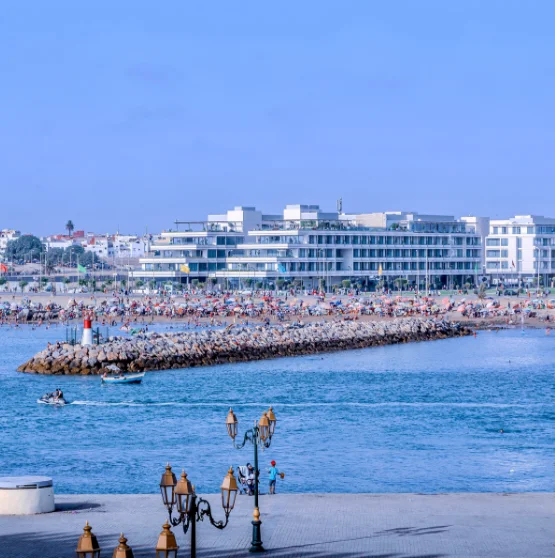
For a more leisurely side of the city, make your way to the Rabat Corniche, a long seafront promenade running along the Atlantic coast. This is where locals come to jog, cycle, catch up with friends, and enjoy a coffee at one of the many beachside cafés and restaurants.
Plage de Rabat (Rabat Beach) is a wide, sandy stretch popular with families and surfers alike. Watching the Atlantic waves roll in against the backdrop of the city skyline is a moment you will not forget in a hurry.
This is a wonderful option for those seeking easy, free things to do in Rabat that offer a genuine taste of Moroccan coastal life, and it makes for a lovely contrast to the busier sightseeing spots.
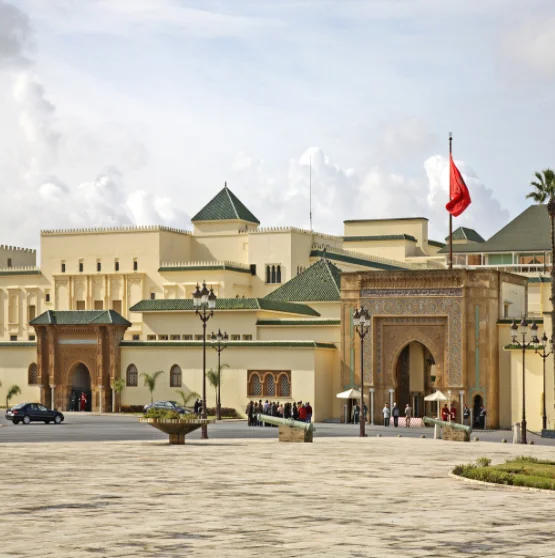
The Royal Palace of Rabat (Palais Royal) is one of the most impressive buildings in the country. The interior remains closed to the public as it serves as an active royal residence, but the exterior, surrounding gardens, and ornate golden gates are genuinely worth seeing.
The palace complex is vast and immaculately maintained. Walking along the palace walls and taking in the sheer scale and grandeur of the architecture is a rewarding experience in itself. The golden gates in particular make for spectacular photographs and are one of the most visited Rabat places to visit for good reason.
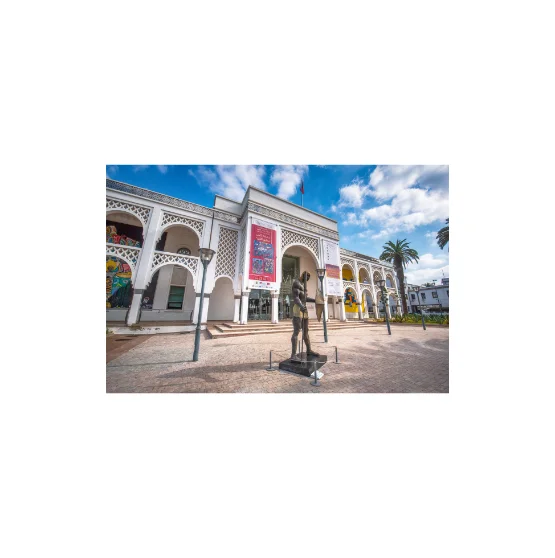
For art enthusiasts, the Mohammed VI Museum of Modern and Contemporary Art is one of the standout attractions in Rabat. Opened in 2014, it is the largest museum of modern art in North Africa and a genuine cultural landmark.
The museum holds a thoughtfully curated and ever-changing collection of Moroccan and international contemporary works, including paintings, sculpture, photography, and large-scale installations. The building itself is architecturally striking and well worth a visit even if you are not a dedicated art lover.
Entry Fee: Approximately 60 MAD (around £4–£5) Opening Hours: Tuesday to Sunday, 10:00 AM – 6:00 PM
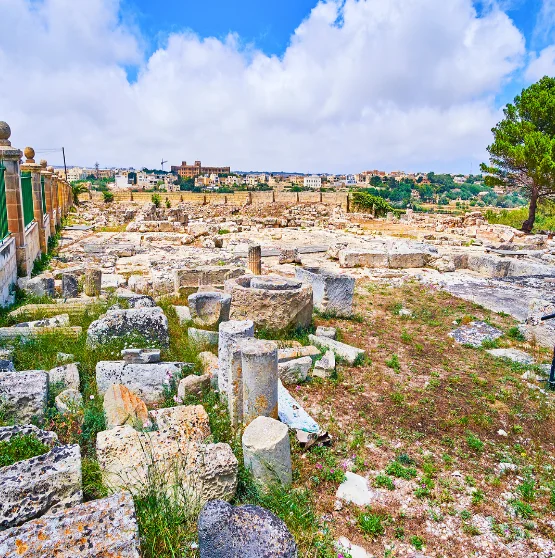
The Archaeological Museum of Rabat is one of the most important museums in Morocco and a must-see for those with an interest in history. It houses an impressive collection of artefacts spanning Morocco's ancient past, from Roman bronzes and prehistoric tools to Islamic ceramics and ancient fossils.
The undisputed highlight is the famous bronze head of Juba II, the Roman-era king of Mauretania, a genuinely remarkable piece that alone justifies a visit. The museum may be modest in size, but it is packed with fascinating exhibits that trace Morocco's story from prehistoric times right through to the medieval Islamic era.
This is one of the most underrated attractions in Rabat that many visitors overlook entirely. Do not make that mistake.
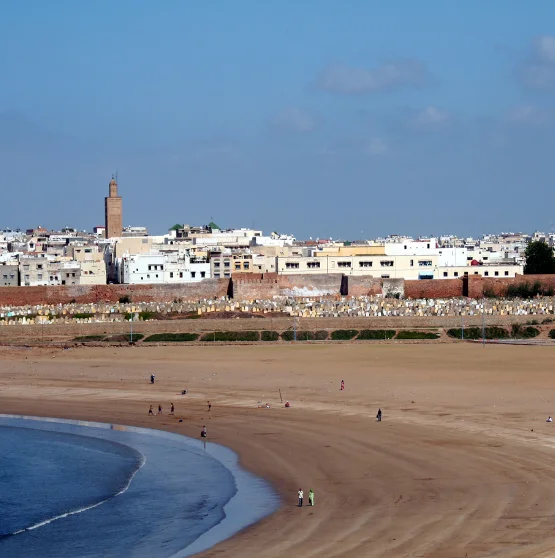
Just across the Bou Regreg River from Rabat lies the ancient city of Salé, easily reached by a short ferry crossing or a walk across the Hassan II Bridge. Though frequently overlooked by tourists, Salé has its own well-preserved medina, a beautiful historic madrasa, and a working fishing harbour that gives you a real feel for traditional Moroccan coastal life.
The Medersa Bou Inania in Salé is a remarkable example of Marinid architecture, featuring intricate carved plasterwork, exquisite tilework, and a serene central courtyard. It attracts far fewer visitors than comparable sites in Fes or Marrakech, which means you can explore it in genuine peace.
A half-day trip to Salé pairs brilliantly with a visit to the main Rabat Morocco attractions and is well worth adding to your itinerary.
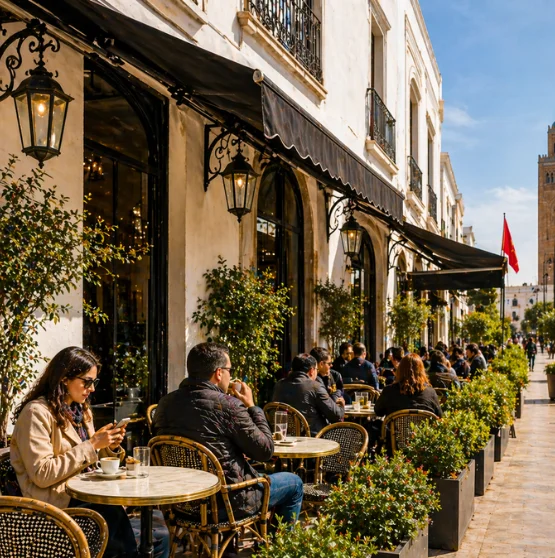
One of the most enjoyable things to do in Rabat is simply settling into a pavement café with a glass of sweet mint tea and watching Moroccan life unfold around you. Rabat has a wonderfully relaxed café culture, particularly along Avenue Mohammed V and in the leafy Agdal neighbourhood, which has a distinctly Parisian feel.
The city also has a fantastic food scene that goes well beyond tourist menus. Must-try dishes for UK visitors include:
For the most authentic and affordable food experiences in the city, head to the medina souks or the bustling Agdal market.
Rabat is just one chapter in Morocco's extraordinary story. If you are planning a longer Moroccan adventure, explore our complete guide on Things to Do in Morocco, where we cover the imperial cities of Fes and Meknes, the extraordinary blue streets of Chefchaouen, the cosmopolitan energy of Casablanca, and the endless golden dunes of the Sahara Desert.
For those with a broader travel appetite, our guide to Things to Do in Africa takes you across an entire continent from the wildlife-rich plains of the Serengeti to the ancient pyramids of Egypt and the dramatic coastline of Cape Town.
At Crystal Travel we are passionate about helping UK travellers discover the world's most extraordinary destinations. Get in touch with our team to start planning your Rabat or Morocco holiday today.
Rabat is a city that rewards the curious and the unhurried traveller. Away from the tourist rush of Marrakech, it offers an honest, immersive, and deeply memorable experience of Moroccan culture, history, and daily life. From the towering Hassan Tower and the mystical Chellah Necropolis to the golden gates of the Royal Palace and the breezy Atlantic corniche, every corner of the city has a story to tell.
Whether you are looking for history, art, architecture, food, or simply a peaceful place to wander and unwind, the things to do in Rabat are as varied as they are unforgettable. Add it to your Morocco itinerary and let Crystal Travel help you make the most of every moment.
 22 Jul, 2026
Things to Do in The Gambia: Beaches, Wildlife and More
22 Jul, 2026
Things to Do in The Gambia: Beaches, Wildlife and More
 20 Jul, 2026
Things to Do in Madagascar: Top Attractions & Places
20 Jul, 2026
Things to Do in Madagascar: Top Attractions & Places
 15 Jul, 2026
Things to do in South Africa | Crystal Travel
15 Jul, 2026
Things to do in South Africa | Crystal Travel
 15 Jul, 2026
Things to Do in Seychelles | Top Places, Beaches & More
15 Jul, 2026
Things to Do in Seychelles | Top Places, Beaches & More
 03 Jul, 2026
UK Bank Holidays & School Holidays 2026, 2027, 2028
03 Jul, 2026
UK Bank Holidays & School Holidays 2026, 2027, 2028


Got Questions? Call us 24/7!
02030237773
Email for Us!
support@crystaltravel.co.uk
12 Stephen Mews, London W1T 1AH, United Kingdom.

Copyright © 2026 Moresand Ltd.(Reg No.02114691) T/A CrystalTravel registered in England and Wales.
Many of the flights and flight-inclusive holidays on this website are financially protected by the ATOL scheme. But ATOL protection does not apply to all holiday and travel services listed on this website. Please ask us to confirm what protection may apply to your booking. If you do not receive an ATOL Certificate then the booking will not be ATOL protected. If you do receive an ATOL Certificate but all the parts of your trip are not listed on it, those parts will not be ATOL protected. If you have booked a flight only where the ticket is not issued immediately, your flight will be protected under our ATOL. Please see our booking conditions for information, or for more information about financial protection and the ATOL Certificate go to ATOL Certificate